
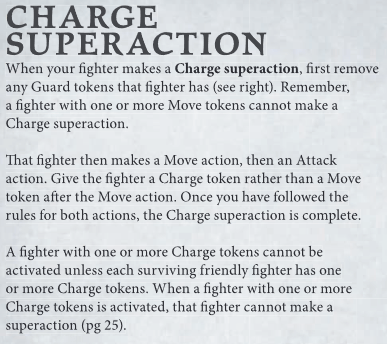
Today on Spent Glory we will be exploring a change to the core rules in the last year that has had some people pleased and others dissatisfied: “Charged Out” as it is colloquially called describes the fact that you now can activate a fighter with a charge token, provided that every surviving fighter in your warband has a charge token. The change has undeniably changed the shape of the game since its induction, but should it have done so? What are the arguments for and against, and should it be changed back or altered in future editions of the rules? Let’s explore the issue, and if you have anything to contribute in terms of opinion, leave your comments on this article, wherever you found it posted, or send an email to SpentGlory@gmail.com with your thoughts.
Historical Context
Back in the olden days, when a fighter was given a charge token, they could no longer be activated for the rest of the action phase. This put a pretty heavy cost to charging with a fighter in tradeoff for the efficiency of making a charge, and definitely discouraged charging early in a round as the fighter in question was effectively a sitting duck and/or could be safely ignored by the opponent since there wasn’t much the fighter could do anymore without some special power cards. This meant that many players would find themselves spending their first activation or two drawing power cards, each in a game of chicken to see who would charge first. In scenarios where your team had only one or two fighters left, you would be much more likely to move, then attack, so that you could get more attacks out per round. The decision to charge was a hard one, but sometimes you felt forced into charging with your last surviving fighter, and then the rest of the round you were at the mercy of your opponent. The relative power balance of warbands was what it was, but a major downside of three fighter warbands (or four fighter bands that lost a fighter) was figuring out how to best make use of your four activations.
In a similar vein, cards or abilities that gave charge tokens to a fighter were a steep cost. You might opt not to play a card or use an ability that gave a charge token to a fighter unless they had no better use, and depending on your circumstance that could be asking a lot. Cards that slap charge tokens on enemies were especially potent as you could effectively shut a fighter out for the round, and cards that removed charge tokens were also remarkably powerful as you could double a fighter’s efficiency. Some abilities or cards could add or remove move tokens, which were generally less harmful or less powerful of an effect.
Impact of the Rule Change
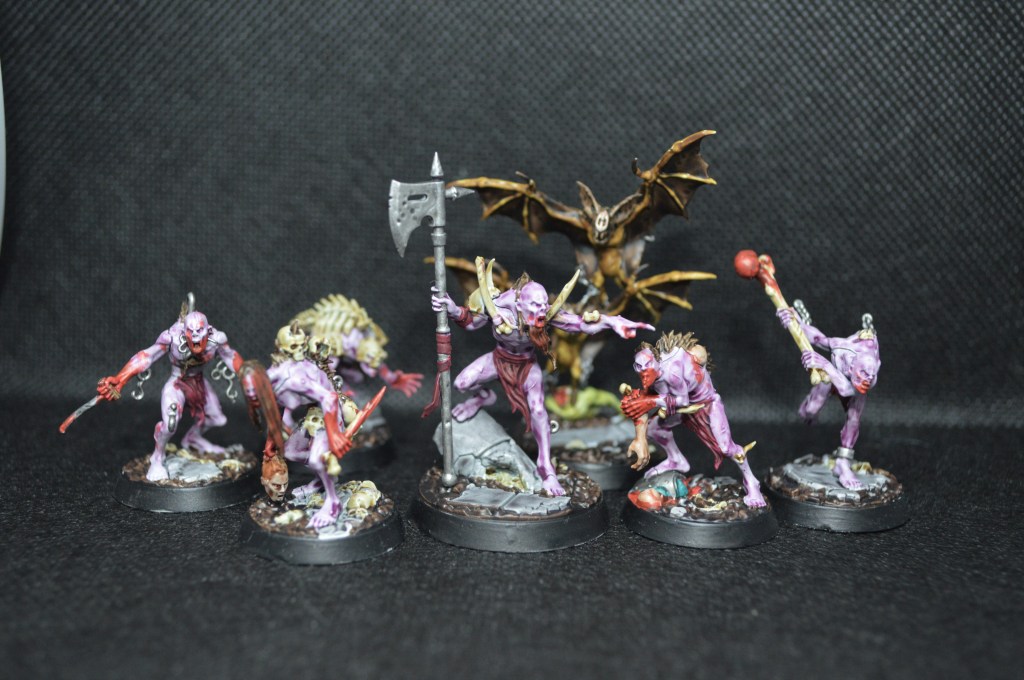
Now that you can activate a fighter again after everyone has charged, that decision making math and the pressure of choice has changed pretty dramatically. Charging comes with much less downside now that there is this rule, at least in lower model count warbands. It means the fighter may need to wait a bit to act again, but if you have three fighters and charge all three, the fourth activation you can use any one of them to attack again, move after charging (another wild change), or even go on guard with one if you felt the need. Especially now that attacks with range 2 and 3 are much more common, you are more likely to have a valid target in range of one of your ‘charged out’ fighters, so you can probably dish out 4 attacks in a round even when you only have two or three fighters. Seeing as those ‘elite’ warbands often have more potent attacks, the offensive output of an elite warband has gone up while higher model count ‘horde’ warbands have not seen the same improvement since they will be far less likely, especially early, to reach the ‘charged out’ state.
In another knock-on effect to the change, abilities or cards that apply move tokens are now MORE harmful than those that apply charge tokens since they prevent a warband from being ‘charged out’. If all of your fighters have charge tokens except for one, who has only a move token, that fighter is now the only one who can be activated (and they can’t charge with a move token).
In short, getting a move token hurts, getting a charge token doesn’t hurt as much (and could actually be nice since you reach’ charged out’ faster and can activate your favorite fighter again sooner). Lower model count warbands comparatively saw an increase in power, and the general play strategy for many warbands has shifted to charge early, and charge often. These are oversimplifications, but are general trends that resulted from the change. So holding these things in mind – was the change good for the game? Should this have been done, and should it be changed back, or modified in some way? Let’s review the arguments.
Arguments in Favor of “Charged Out”
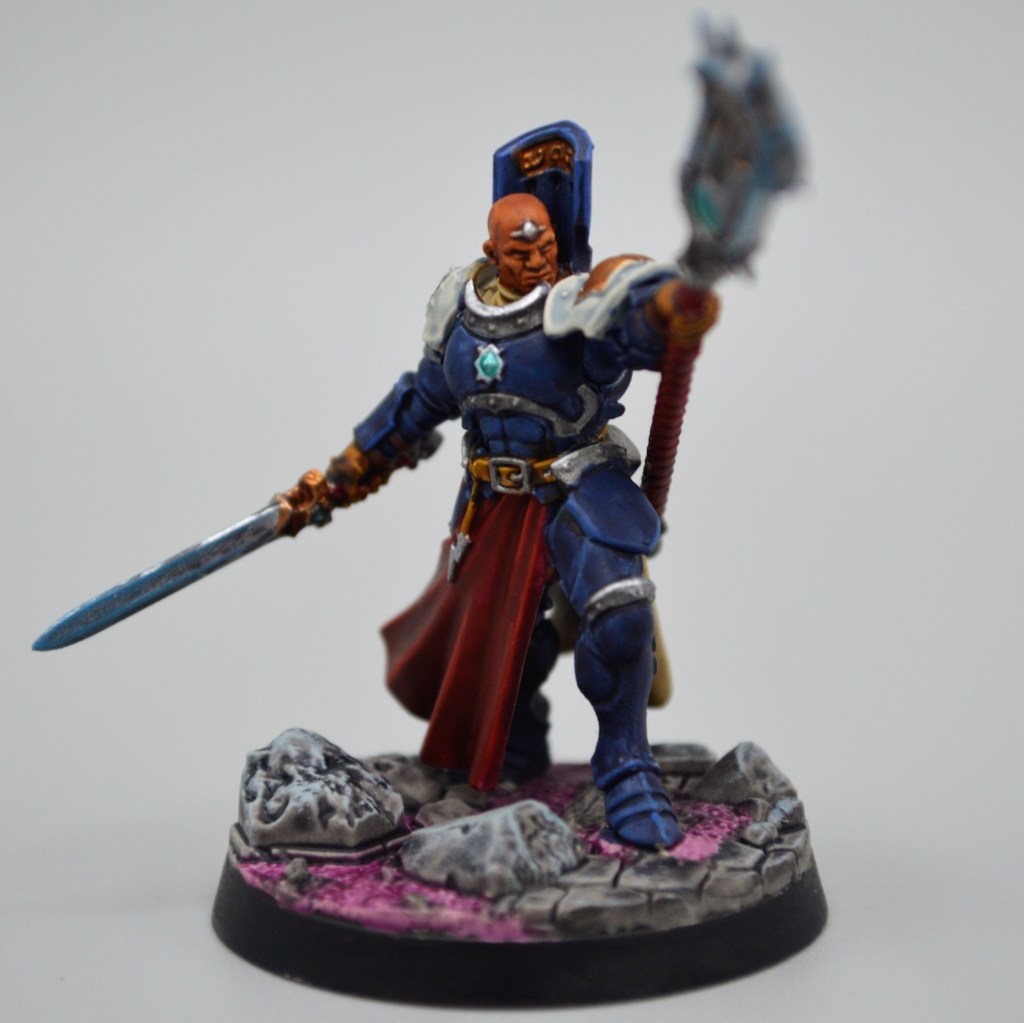
Presumably, the rules team made this change because they wanted something about the game itself to be improved, and felt this would push the game towards that ideal. With the way warbands have been designed in recent years and the scoring condition on Objective Cards, the general perception from the Underworlds community has been to promote ‘interaction’ – do things that engage with your opponent and take risk, rather than ‘passive play’ where you hide safely away in your own corner and shuffle cards or fighters without rolling dice or interacting with the opponent. We had an era of feel-bad passive play in Nightvault which I’m glad to be out of. Here are a few ways the ‘charged out’ rule helps drive engagement:
With the ability to re-activate charged fighters, we see more actions, more dice, and more scoring through taking activations, and since the first of these need to be charges, they’re generally towards enemy models. This means you have opponents running at you instead of running away, and get the opportunity to fight them back, so neither player has the incentive to hide or disengage or take generally ‘passive play’ moves. With more fighters charging, and potentially attacking afterward, you also see generally increased lethality, where ‘things happen’. Since you can now also move after a charge, it gives slower models a chance to move across the board and increase engagement in subsequent rounds.
Sure, a critically important move action onto a backfield objective could win you the game, but it’s less exciting for many, including casual players or observers in most cases. There is an argument to be made that the change to ‘charged out’ was in the interest of recruiting new players. What might a new player want? To get to play with their toys. If you can activate a model multiple times, you get to use them. Not much more discouraging and potentially off-putting to a new player to be told ‘well you only have one guy left, so you you can charge with them and then sit there while I clap back four times and you can’t do anything’. If your last fighter gets to do more, you feel like you still have a chance to play and do something. You have an opportunity to score your cards, to make things happen, and to keep yourself in the running even when down to only one or two remaining models. Charged out could potentially keep games closer down the stretch too and losing a fighter or two early doesn’t keep you from being competitive or allow a snowballing opponent to steamroll your reduced efficiency. But does letting a losing player feel like they have more to play for, a new player feel like they have more to do, or allowing the last fighter standing to get four actions improve the game? Jury is out.
Arguments Against “Charged Out”
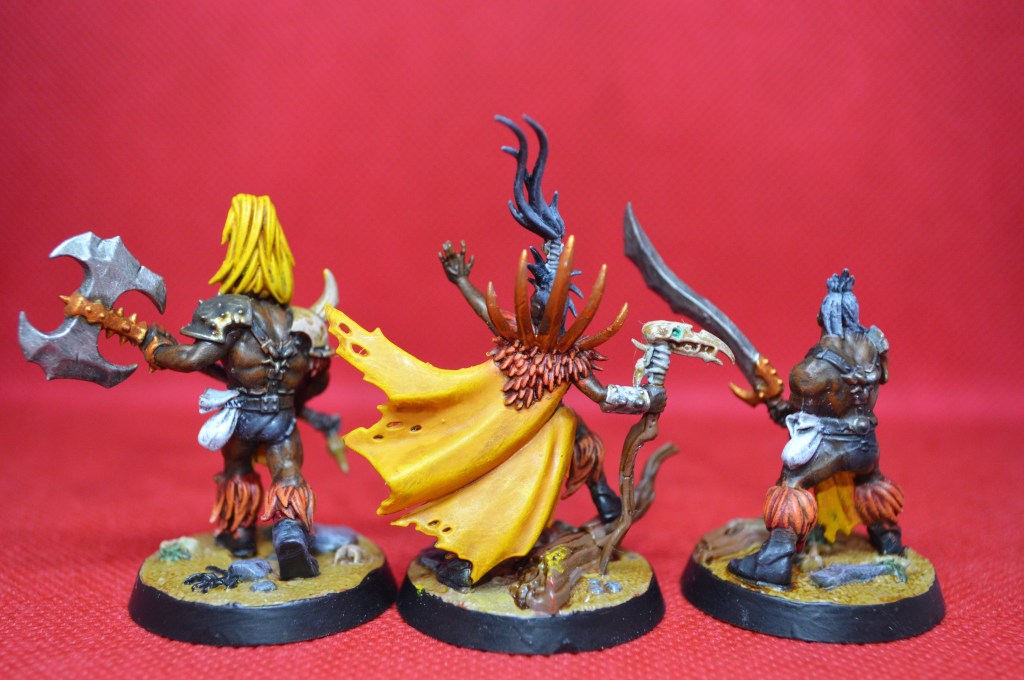
A major argument against introducing the ability to activate a charged fighter is that it ‘dumbs down’ decision making – why would you not charge? Part of what some players appreciate in this game is the puzzle and risk/reward gamble of choosing the right move, making a ‘smart’ play, and succeeding based on experience and the ability to choose the best of some hard choices. This argument suggests that now the choice is far less complex, and the amount of thought that goes into a game plan has been narrowed. Charging was already the optimally efficient activation for a fighter to take in most cases, and the balancing penalty for that efficiency has been substantially lessened, especially in low model count warbands.
Related to and pursuant to this is the fact that ‘the meta’ shifted, which it will do in any rules change, but not necessarily for what some perceive to be the better. Prior to the introduction of the rule, you might say that ‘aggro’ playstyles were more competitive than ‘hold’ playstyles, and ‘elite’ warbands were generally superior to ‘horde’ warbands. This change, which lessens the penalty for aggro play, particularly in the case of elite warbands, but does not improve horde warbands efficiency to nearly the same manner, both combine to improve ‘elite aggro’ in the relative power rankings when they were already on top. The rich get richer, and the best warbands get better. If you were having a hard time playing Grymwatch Hold Objective before, now you definitely are. If you were having great success with full-send Rippa’s Snarlfangs before, now you are even better off. This isn’t inherently a bad thing, but depending on what you like to play, or like to play against (or even if you just like to face a broader variety), the rules theoretically should help level the playing field, not choose winners and losers from the outset.
Something that will always happen with older cards and warbands is they they become outdated with new rules updates. Unfortunately, a major add-on effect of this rule affected some previously powerful cards and abilities that involved adding or removing tokens. Older cards that give charge tokens as a ‘high cost’ penalty or apply to enemies as a powerful effect are conversely worse than their ‘milder’ move token versions, and so older warband cards are inappropriately powered, worsening their disparity with newer warbands. Before, a warband might have a great card that is absolutely crippling to opponents when you apply a charge token to their fighter, but now they opponent might not mind it as much. Older warbands, who generally struggle as the meta passes them by, are hurt by not having his baked into their mechanics.
Verdict
Seeing as I’m the official most important Warhammer Underworlds person and my opinion matters the most, I’ll give you my incredibly valuable two cents – overall I like the change to charged out, but it could be refined. I personally believe that rules in the game do need to evolve every so often to keep breathing life into the game, and while change is hard (and any change will disproportionately benefit some playstyles or warbands over others), it’s not so ruinously severe as some might suggest. I brought up Hold Objective Grymwatch as somebody who suffers under the new design, but I have been playing them to decent success recently with the Malevolent Masks pairing in Nemesis, and a similar ‘make effectively zero attacks while holding objectives’ strategy won a major European event this year when playing Sepulchral Guard in Championship.
At this stage of Underworlds’ worldwide growth, we need to be in a setting where the game is exciting to play, enticing for new people to try out, and removes as many ‘negative play experiences’ as possible. You can absolutely argue that getting obliterated by Domitan’s Stormcoven aggro might be a negative play experience, but I could also say that the new player you’re giving a demo to wants to roll dice and move their models, not draw cards and take the pass action. This is all theoretical and anecdotal, but I can imagine it being a harder sell to a potential new player when you show them that the first part of the game should be just drawing cards and standing around, or the last part of the game should be watching your last fighter or two stranded and helpless in the middle of the battlefield while you, again, draw cards. The move was probably designed to help draw new people into the game, and if the marketing or rules team thinks it will work for that purpose, then it’s the right call. We need more people.
In my experience, and I understand this isn’t everybody’s cup of tea, it adds a bit of story flavor and fun if your last remaining fighter can keep chopping as they’re swarmed by their enemies or some other heroic solo behavior. I also tend to play a more flex-hold style, and even with this rule supporting aggro play I have still been able to have fun and win games strategically drawing a card, going on guard, moving onto an objective etc without necessarily going all charges all day, so it’s not as though that’s become the only viable option.
Regardless of whether I like the rule or whether people around the community think it should stay, peering into the crystal ball and guessing the future leads me to believe the move is here to stay. The recently re-released Thorns of the Briar Queen has several cards and abilities to allow you to choose whether you want to give the fighter a move or a charge token. This would imply that, at least in the foreseeable future, sometimes you want one or want the other. In the older rules, a player would almost never choose to give their fighters a charge token if they could give a move token instead.
Possible Refinements
This isn’t to suggest that it should stay exactly as is forever – I said before that rules should change to keep things fresh and improve the game. Perhaps in the future we could make it so that you can activate a charged out fighter but not attack again – maybe limiting it to other actions or moves would prevent a strong fighter from tossing 2-4 attacks a round so reliably. Maybe if you continue to allow attack actions after a charge, limit it to range 1 attacks (or range 1 and 2) – there’s a real issue that I don’t want to gloss over of charging a ranged fighter into a pack of enemies and being able to continue to hit multiple enemies all round. Limiting the range of attacks can still have you thinking harder about whether you want to charge, and limiting the offensive potency of a ranged fighter post-charge. It could also give the opponent more ability to respond – moving away or pushing away from a fighter with a charge token protects you a little better if they can’t use range 3+ (or range 2+) attacks after the charge, so you have some ability to run and hide.
Wrap
As I said before, I ultimately think adding the ‘charged out’ rule is good for community growth and the game as a whole, even if it had some less desirable effects on the meta. My stance isn’t the only one, and I’m sure I missed some strong pros and cons earlier in this ramble. Please let me know your take, and I’m more than willing to compile some responses to publish down the line in a letter to the editor, or even a rebuttal article if you feel strongly enough. Hit me up wherever you saw the article posted or email me at SpentGlory@gmail.com and until next time, get out that and spend that glory (while charging!)





Leave a Reply