
Now that Second Edition has been on shelves and in gaming groups for 6 months, I wanted to take a retrospective look at the major changes that Embergard brought to the game. When it launched, there was plenty of uncertainty about whether such and such adjustment had been in the best interest of balance, new players, the existing players, and so forth. More than a few people gnashed their teeth and pulled their hair. I took a relatively optimistic view in this article where I suggested that the changes would be particularly good for new players, and I also was pretty optimistic in this podcast episode when I discussed how it was great for returning and continuing players as well.

With that history and risk of confirmation bias out in the open, let’s see if I still feel the same now that we have had 6 months to feel the difference. I’ll go through each major change and ramble on about whether I think it did what it intended and whether it’s a positive or not.
I’m not the only one to think of this idea – a few weeks back Agent of Sigmar made a video with a similar concept if you’d like to hear the opinion of my betters.
Wascrolls
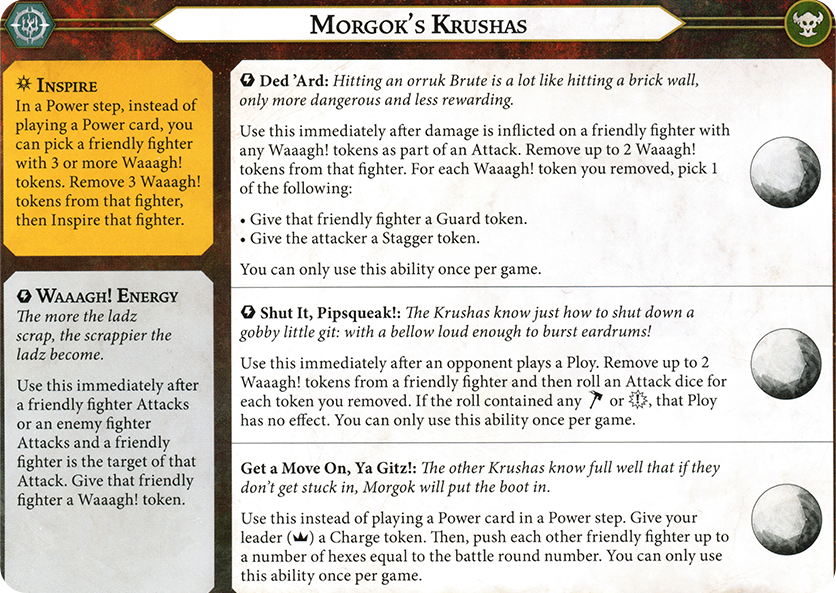
In my ‘here’s why Embergard will be cool’ article, I wrote: “You’ll catch more flies with honey, and you’ll catch more new players by telling them ‘these toys are cool because you can do this cool thing’ – and they actually get to do it. I’ve seen the sadness on a new players’ face myself when they never draw that important faction card that lets them do whatever hype thing they’re planning. Now, with single-use gambits on a warscroll, they can reliably plan to do their unique warband things every time. You also get more options overall in this new ruleset – envision the warscroll abilities as effectively 3 free gambits that will always be in your opening hand and do not take up space – that also means you have more chances to do something impactful with your opening hand.”
Six months in, my belief in this is stronger. I enjoy being able to use Swift as Desire every game. I like knowing Shut It, Pipsqueak is always in my back pocket. I enjoy being able to plan my deployment and opening activations knowing Reassuring Presence will fire on Uglug whenever I need it no matter what my card draw is. I like having more than 5 options in my ‘starting hand’. I also like knowing the same about my opponent’s capabilities.
Elimination of Faction Decks

Sure it sucked to lose all the flavor a 32 card deck could provide. However, the risk I identified before was “one day you’re playing against somebody else who has brought a warband you’ve never played before. They spring some crazy card on you that you have never heard of, may not know how it works much less that it was possible, and could have a bad ‘gotcha’ feeling. Sure, that’s the life of a ‘new’ player, but with 60 warbands and counting, it is very difficult to know them all. Since warband-specific cards aren’t a thing you need to learn, getting up to competitive speed is much more achievable for people now and you won’t be surprised by warband-specific cards you’ve never encountered.”
That’s still true, and it also is inherently unbalanced and asymmetrical. You have to admit some warband decks were gutter trash while others were hot fire. We have a more level playing field now as a result of this change and while it hurt at first, I hardly miss it anymore.
7 Bounty Per Warband

Initially, I was hesitant about this because I worried it would skew things towards aggro/strike (and we did see that at Worlds, though for different reasons). My optimistic hope at the time was “Now, you get more reward for killing a tough guy. You probably had to pour multiple attacks, multiple ploys, and invest in an upgrade or two in order to take down that inspired stormcast. All that, and then you get one glory for your efforts. Now you’ll be more likely to receive an award in line with the cost of eliminating them, and that possible increase in feeling of ‘fairness’ can keep a newer player around for longer. It also makes 3 fighter elites less punishing to play against, which already was a source of frustration even for existing players.”
Largely I still feel this way, elites and 4×4 have a lesser advantage now and that’s probably a good thing. However, it does get a little clunky when some weak fighter is worth two, or a decent but not amazing fighter is worth 3, just because they had to add to 7 somehow. This ‘fixed’ at 7 thing means some warbands get the short straw in a different way, and while I like variable bounty overall it might be better if warbands were between 6-8 glory or something to allow for appropriate risk/reward.
Raised = 0 Bounty
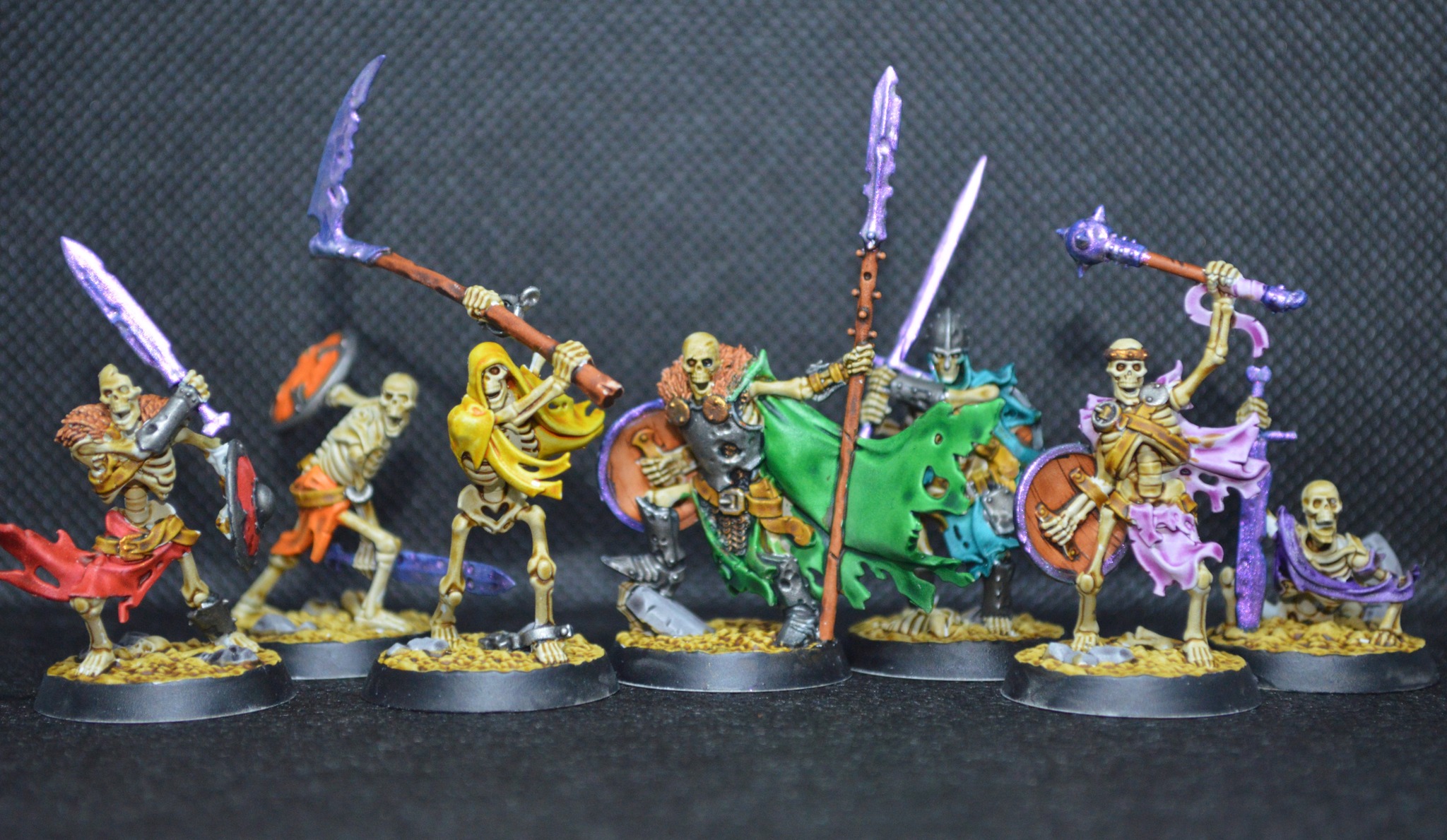
This one has some nuance to it, but overall I think it’s been a positive change. Previously, warbands like Sepulchral Guard could get ‘farmed’ as their opponents just continue to tee off on raised fighters. Now you have a tough choice between attacking the raised fighter and getting no bounty or leaving them alone and letting them score objectives. Some cards, notably Supremacy are affected by the raise thing, so it’s not all gravy for the resurrection players. Some raise warbands are relatively strong (Grymwatch and Zondara but are having a blast right now) but I don’t think the zero bounty effect has somehow swung the pendulum too far in their direction. I can see the argument for more cards being unscoreable with raised fighters though to offset the loss in strike bounty.
Guard/Stagger Changes
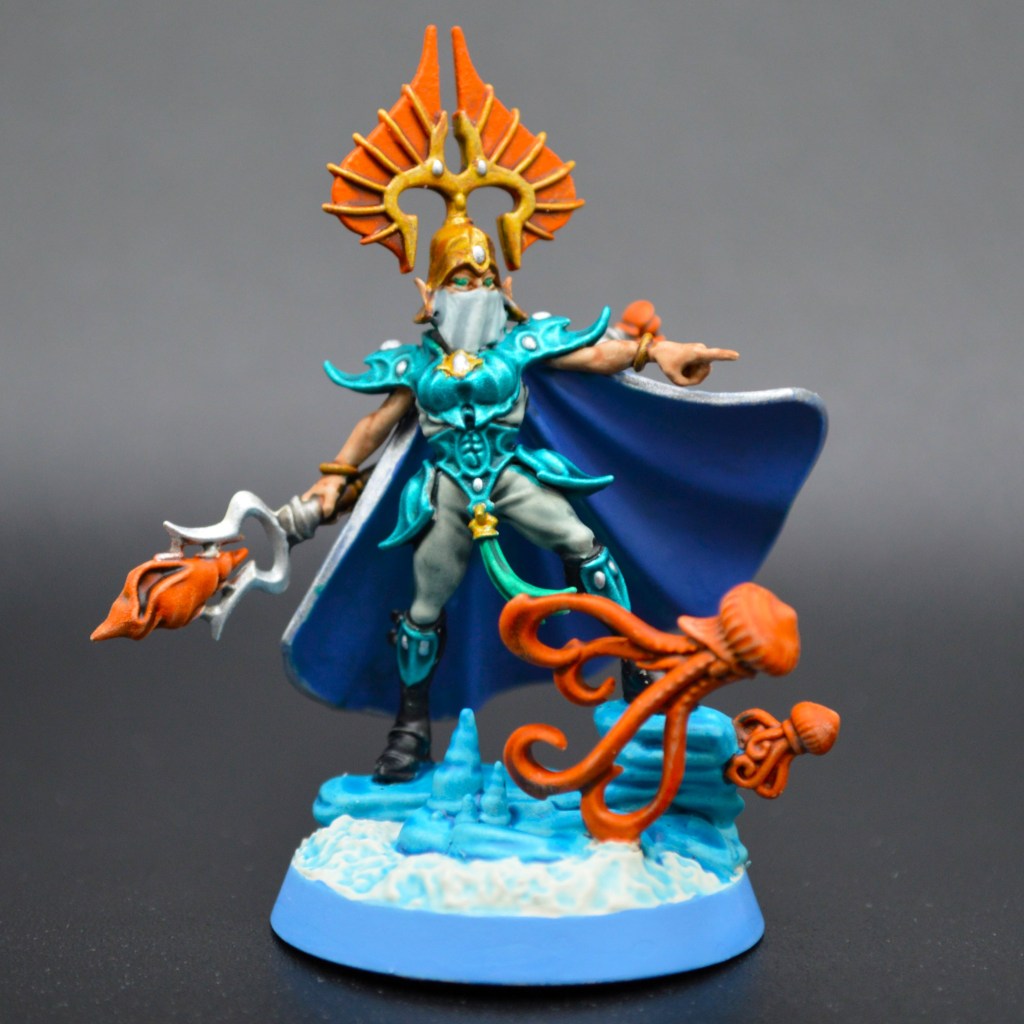
Previously, you could go on guard to erase a stagger token, which was a huge bummer to Objectives that required staggered enemies and so forth. Those cards don’t currently exist, but a few that require friendly fighters on guard still do. The ability to counterplay that with staggering a guarded fighter has been removed, but I don’t really miss it all that much. Now both players get to see the benefit of their resources rather than whoever played it last getting to keep their effect, which I think is balancing overall. I do kind of miss the high-noon ‘first one to blink loses’ staredowns though.
Crits Not Auto-Winning

At launch, I said “I have lost games I ‘should have won’ because their fighter rolled a critical defense. It’s a dice game, and variance is well and good, but for a single die roll to potentially have such cascading effects on the outcome of a game removes a lot of player agency, adds more swingy-ness to game results than may be warranted, and is visibly frustrating. I once taught a new player and after a couple rounds he said ‘So it looks like you just roll more sixes and win, right? This kind of sucks.’ It was hard to argue against him. He stopped coming back about two weeks later.”
It still occasionally feels weird when I think ‘hey I rolled a crit, so I will win, yeah? And then their single dodge means we got a draw. But the more I play, the less foreign it seems, and with reduced swingy moments it’s overall a good thing.
Universal Crit Abilities (Stand Fast, Overrun)
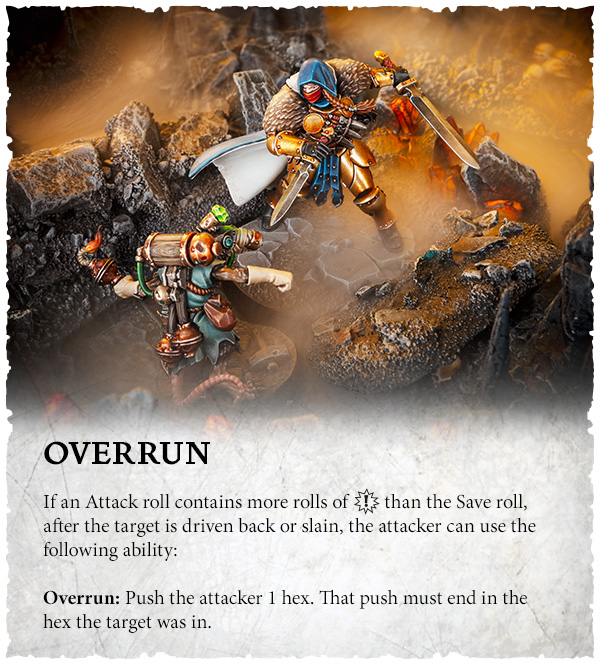
My prior take was “Now, critical successes will not lose ALL their power, and you’ll still feel good when you roll one. It’s just that your opponent won’t be so crushed as they currently are…. “Overrun” (which dramatically increases positional play and is a good thing for the game) … Now there will be more circumstances where the defender can get something good out of a defense roll – the potential for -1 damage or the potential to deny an Overrun, in addition to whatever crit abilities their fighter might have – and that means more participation in the action. You want to be able to roll your dice, and you want to feel like your dice rolls matter.”
I’m 100% on board with this now. It’s not just about smashing face but board positioning and your crits open up so much opportunity for both players.
Underdog
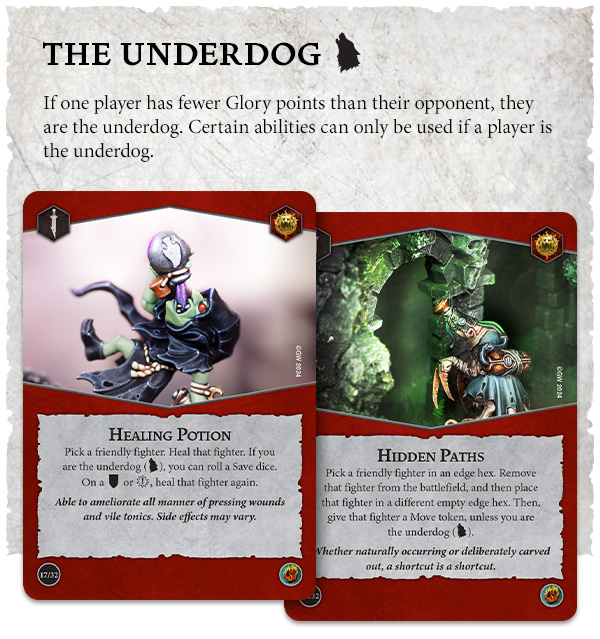
“Warhammer Underworlds has historically had quite a strong ‘snowball’ effect – the player who is ahead has more tools to pull further ahead, and the player who is behind may end up getting obliterated with no chance to fix their situation without significant luck. At lower levels, this keeps the game fun and engaging and less likely that you want to give up because you’re getting crushed, and is good for new players. It also is good once they transition to higher levels, because now there’s a tactical consideration for ‘who is the underdog when’, and you’ll have to think about when and how to score/play cards with that in mind.”
Ultimately I think this change has been less impactful than we had thought. Outside of the Grymwatch, you don’t really see anybody playing with the intention of being the Underdog/aiming to be slightly behind. It probably has lessened the snowball effect a bit but not overly so, which is better than forcing every game to seesaw back and forth by 1-2 glory. The biggest effect has been the roll-off for priority in rounds 2-3, where I do think Underdog has been well balanced and a positive change.
Roll-off Changes

The tiebreaker going to the underdog was discussed above, and I do like that change. However, to make tiebreakers relevant, there had to be more ties, so they reduced things to a single die. I get that, I really do. But I swear to Sigmar I roll ties on the opening roll-offs (where there is no underdog) ALL THE TIME. Multiple times in the last few weeks I have rerolled ties into ties three or four consecutive times, which feels silly. The real ‘wtf’ is the change in what symbols ‘beat’ other symbols. It doesn’t make sense for old heads and I have had new players be like ‘but this guide on the back page of the rules lists them in a different order’. That’s not the roll off priority, just describing what a ‘surrounded’ looks like, but man, this one still feels wrong.
Set-Up Roll-Off
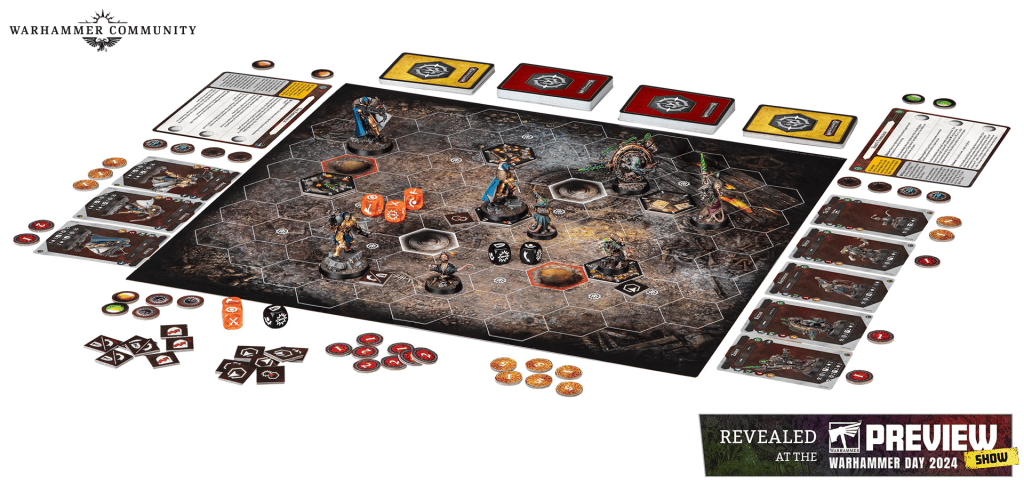
The loser has to have a bad start for all three parts of the game setup. I get that there needs to be a token in neutral territory, and placing it first makes sense to ensure one happens. I get that the ‘loser of the board selection should get three tokens’ carries over, and logically, yes I agree. But that first token requirement means the loser actually has less agency. Then, they also have to place the first fighter!? You couldn’t do another roll off, or force the ‘winner’ to place first? Rough times for the loser here. To add insult to injury, the ‘tiebreaker’ for ‘whoever finished placing fighters first’ is gone. So more tied rerolls to start the game and literally bad news all the way through the process for the loser of that first roll. This could/should be fixed in the future, fingers crossed.
Token Placement Changes
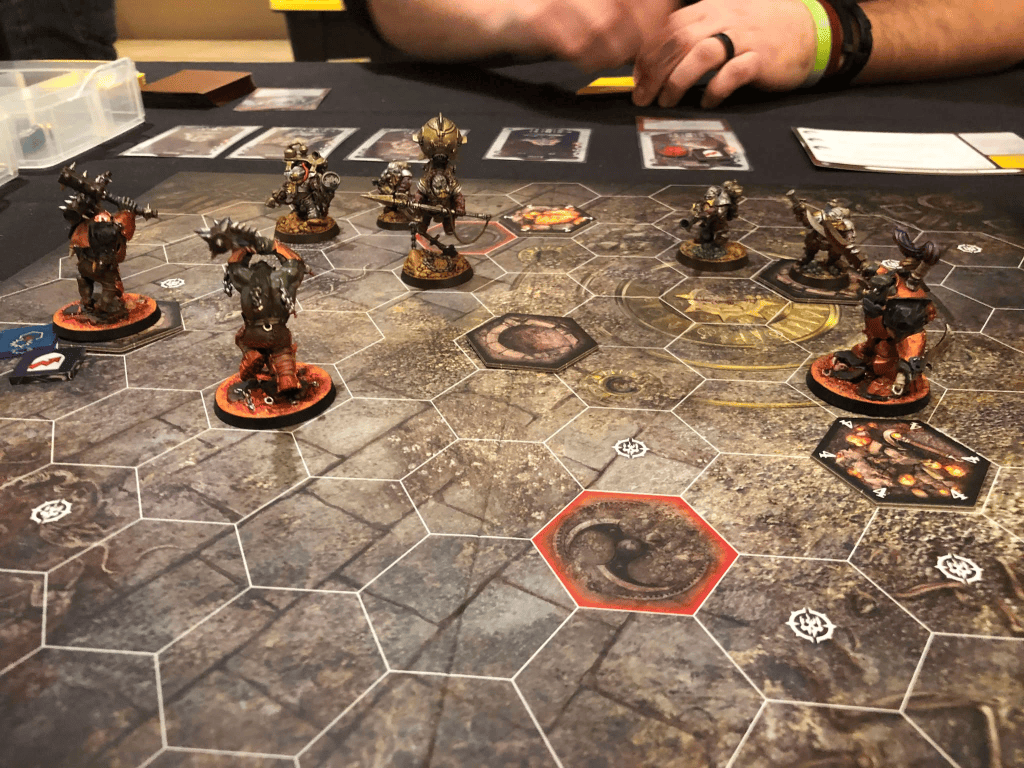
The gripes about the Roll-off loser aside, I do overall like the token placement changes. Knowing definitively there will be at least one in neutral territory allows for lots of Objectives to be viable. Slow Advance, Shocking Assault, Aggressive Claimant, and surely many more to come; while an opponent can’t technically lock you out of placing one SOMEWHERE in no man’s if they didn’t have to start there, plenty of new players would oops themselves into bricking those cards and it’s good for growth of the game’s playerbase to prevent that. But, gripes about the losing player’s bad luck, as mentioned before.
Round Roll-off’s Loser Drawing a Card
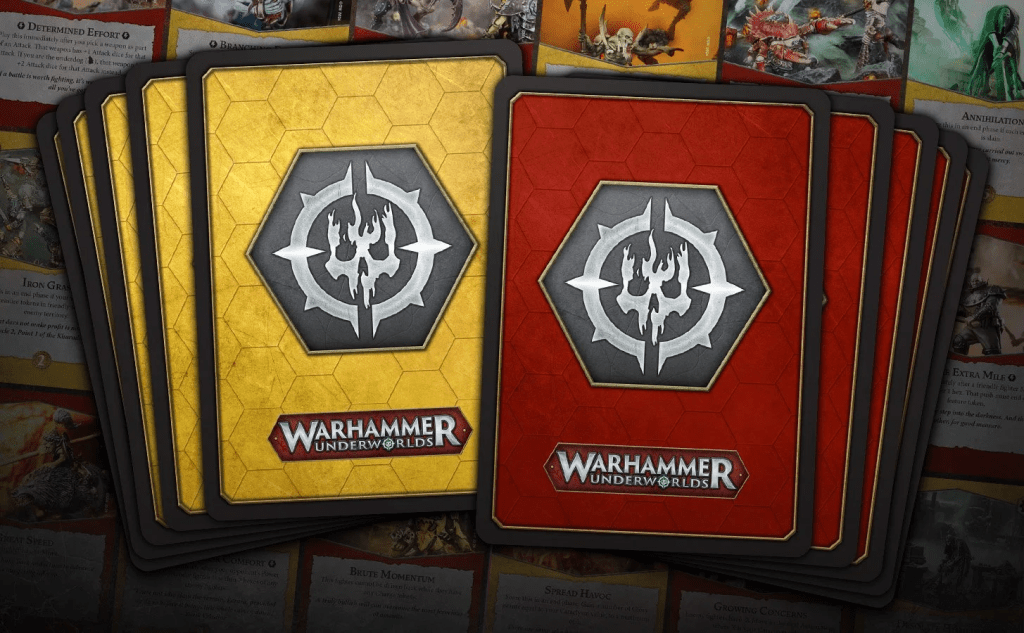
This is nice. It means everybody gets something, and priority (especially in R2/3) can be really important so it’s good to give the loser something to keep them in it. Could we consider giving the loser of that opening roll-off a card too? Since, as just discussed, they get a raw deal. Overall this is a nice rule though.
Board Changes
Single Board
“I personally like many experienced players love the depth and complexity of tactics that can arise from board orientations, board selection, and all the counterplay considerations that go into it. Realistically, outside the highest levels of play, people just grabbed the board they use every time and squared up. This takes the guesswork out of that, but more importantly reduces the number of times your plan will be totally derailed by being longboarded or offset”.
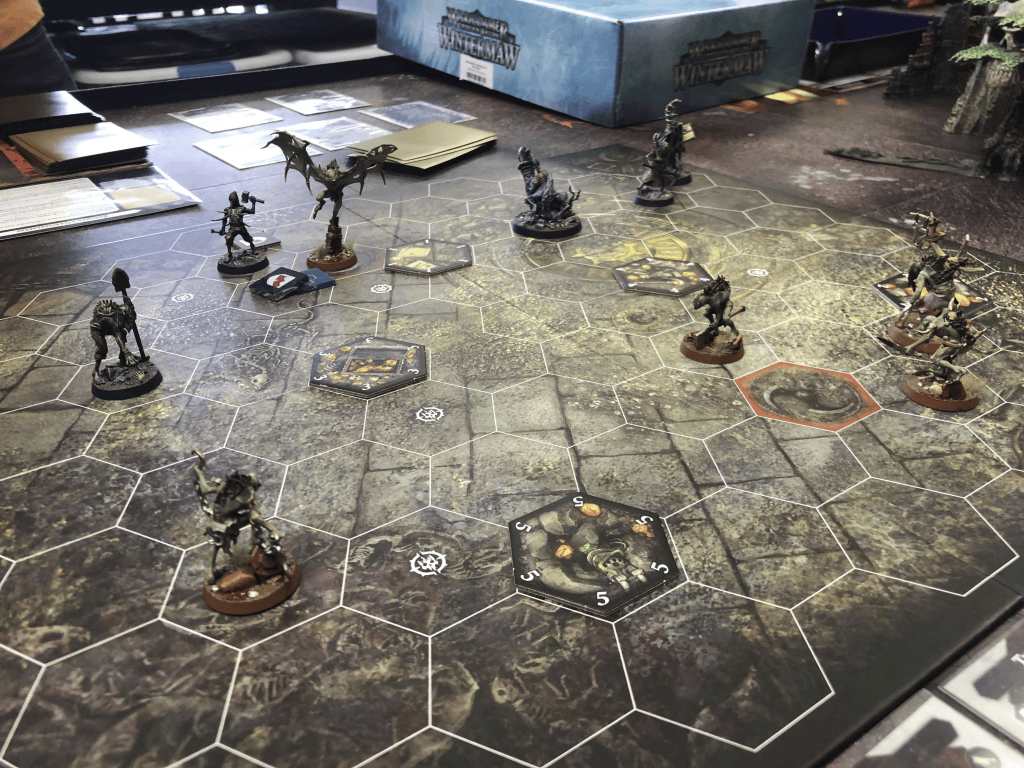
Sometimes I miss the funky combos of boards in weird orientations. I definitely miss having a good variety of visual backdrops and a big variety of starting hexes and positions. I maintain this is good for the game on an accessibility level, and I do dig not having to haul around ten boards in my bag every game night. But it’s only been six months and the look of the ‘no blocked hex open board on the fives orientation’ is starting to get pretty old.
Board Features
Now that only staggers and blocked hexes exist to spice up the boards, the game is probably more ‘fair’. With no other specials there’s less to keep track of and you can have a more predictable experience. At first, I missed Lethal Hexes but those probably were too much especially as the game has intentionally shifted to a less-lethal experience. What I don’t particularly like is that flying can’t ignore Blocked hexes anymore – not even ghosts, who presumably could move through them. Oh well. I almost never play on the Blocked hex side though.
Board Shape Change
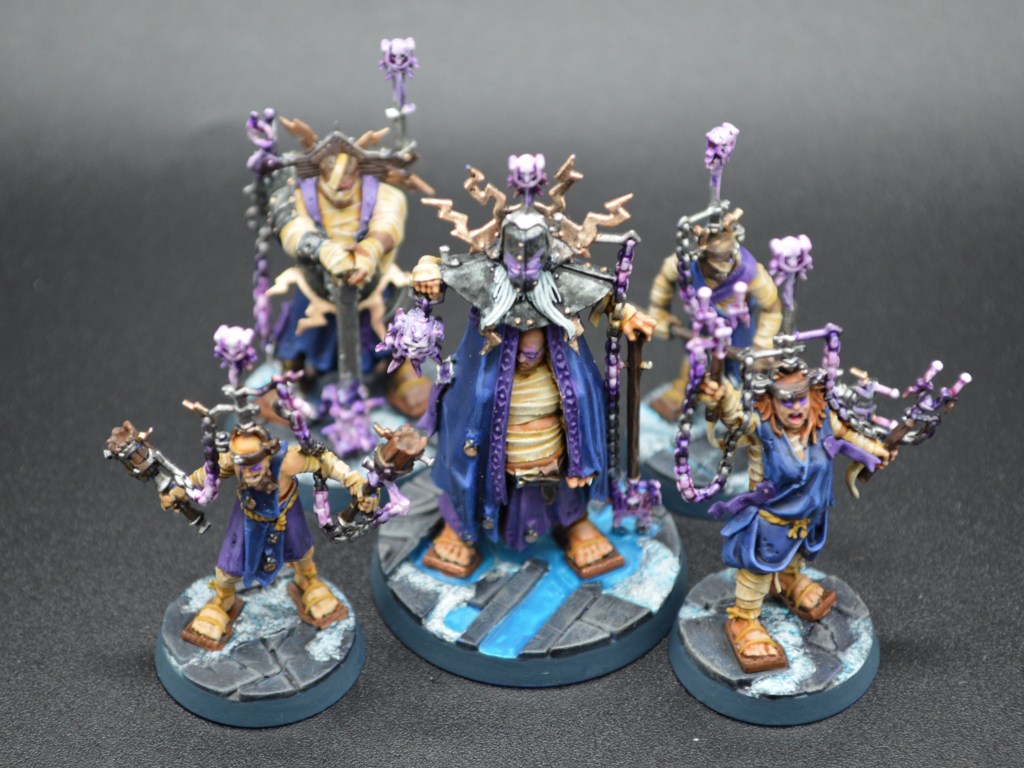
“The new board shape and starting hexes placement are designed to force engagement. Both players will immediately be stuck in and you can’t as easily hide in the back – and you can’t as easily blockade the center line either. Multiple people I know quit the game in passive play Shadespire and more in passive play Nightvault. Yes, it’s a tactical choice to read your tomes with a stormcast in the backfield while your opponent doesn’t get to play, and you might win a bunch of games. But are they really games? Is anybody having fun? I don’t know about you but I like it when dice get rolled, models get bonked, and stuff happens.”
The new oval shape means more interaction in the midboard, and I was never a longboard passive player or fan of people who played that way outside the very top competition (and even then, man c’mon). It is a little rough that you can have every starting hex in range of a 3-hex charge in some orientations though, so you can’t hide your key piece for even one activation. It would have been nice to have some sort of balance between Cyreni longboard of first ed and GOREHULK SMASH of second. Overall a positive change though, as before.
Runemarks and Not Stacking Weapon Abilities
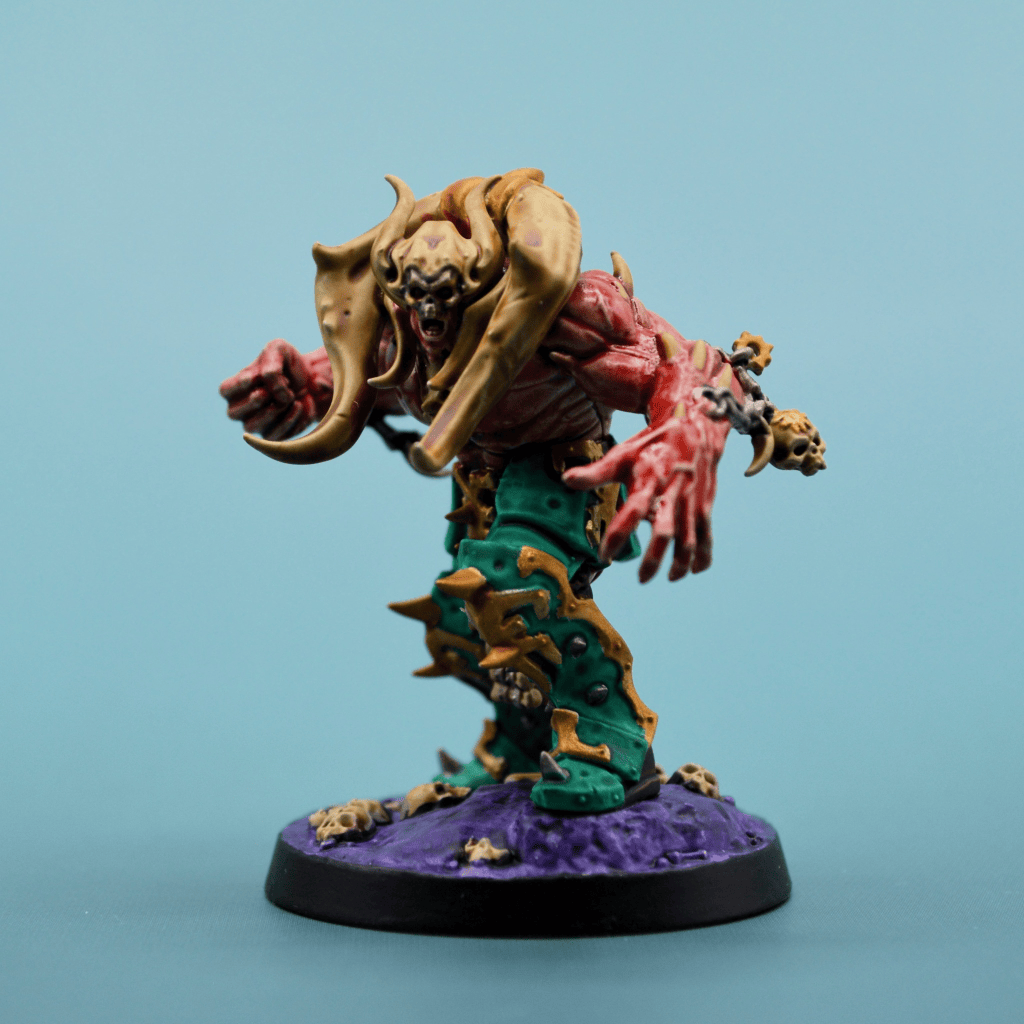
OK I will be honest, this took some getting used to, but now I love it. I wish the runemarks were a little bigger and clearer to see/differentiate on the cards, but the mechanics are awesome. Now you have to choose between effects instead of having your VOLTRON able to cleave and ensnare and +1 damage and and and and… which keeps the game from getting out of hand. I will bemoan the runemarks for warscroll abilities blocking this though – maybe a brother wants a little swag or haunch to go with his cleave and the man just won’t let a bad warband get ahead.
Variable Upgrade Cost
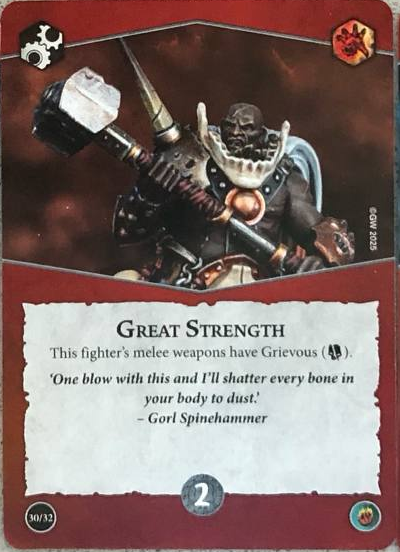
My original take was “This opens up design space, makes more upgrades’ worth taking/worth playing’, and lets you put a few upgrades out earlier, while slowing down the speed at which your opponent can load up on powerful ones. New players, will get to play cards earlier, have less’ well that was a waste of glory’ situations, and won’t get ground into the dirt as quickly – all better for the new player experience (and honestly, the rest of us too).”
I still feel the same, except we have yet to see a 3 glory Upgrade and some of them probably should have been priced that high (or higher).
Losing Upgrades and Inspiration Upon Death
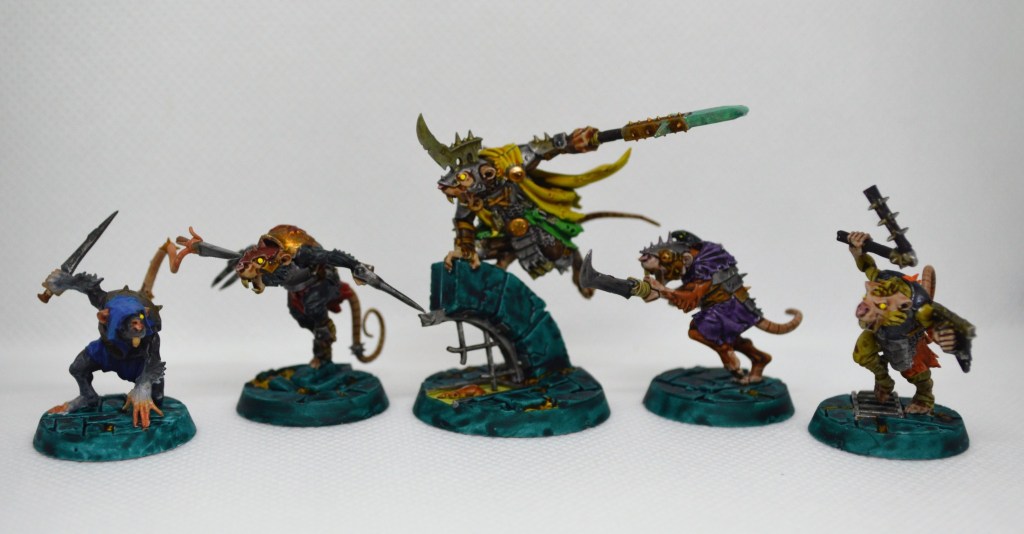
This is good, full stop. It prevents a psychopath Champion or Hungering Skaven from popping up with a crazy upgrade load that you have to deal with AGAIN. You already got the Glory back when they died, so it’s not like all is lost when your raisable fighter goes down. Speaking of which…
Refunding of the Glory for Slain Fighters’ Upgrades

Last time around, I said “Now that you get the glory back and can put it into new upgrades for other fighters, losing a juiced up fighter isn’t the end of your night, and it allows you to continue to play cards all game long even if you’re losing. “But that’s just rubber banding and is bad for competitive play!” I hear you cry. Not so! Now you’ll have a new layer of ‘do I kill this fighter, knowing I’ll be effectively giving them some glory’, and you can play psychological games this way by making different choices with your glory expenditures. It’s different, not dumbed down, and it’s done in a way that helps the less experienced player AND opens up strategies for the more advanced ones. Tragically, if does look like the end of ‘Spent Glory’ as a rulebook phrase though.”
I’d say I feel the same six months in. Sometimes I am bummed when killing something means the next guy in line gets powered up, but it has kept games tighter and I’m already used to it. The only real problem is the accounting issues/mistakes caused by ‘allocating’ rather than ‘spending’ glory and then it being ‘refunded’ in this way.
The Focus Action
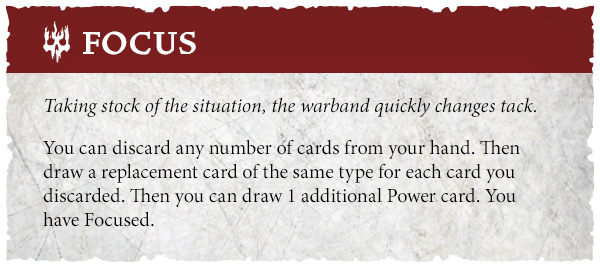
Previously, I wrote “a ton of people play their first (and often only) games in Rivals, which has a much higher ‘brick’ potential. If you have a dead hand in your first few games and nothing you can do about it, you’re probably not coming back to game night next week. Focus, which lets you discard any number of cards for an action, then draw replacements for all of them AND an additional power card, is incredibly potent for the cost of an action. It also increases odds of being able to engage throughout the whole game, which increases fun for both players.”
I think Focus was a good change. I haven’t seen it ‘abused’ like some feared but have seen it win games. It’s relatively rare but can keep you in the fight and is a nice balancing tool. This one hit the mark it intended, and I wouldn’t want to go back to a game without it, to be honest.
Drawing Cards First During Setup
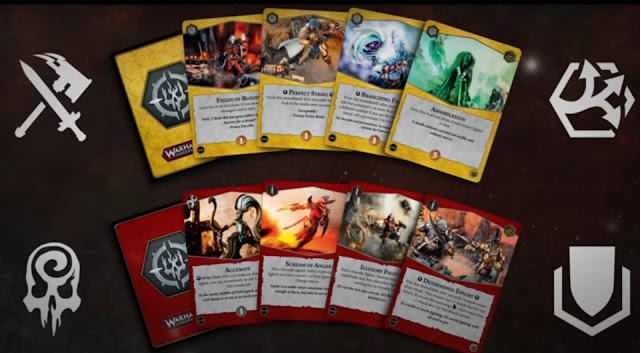
I still forget this almost every time. Knowing what you hold before token placement and fighter deployment opens up more tactical certainty and removes a guessing game of ‘gee I hope I draw that one Surge’. It’s probably leveled the playing field for ultra-skilled players and less experienced ones since both can see their hands before placement, which is probably a good thing for that reason.
Things I Miss From First Edition
Trapped! It was a niche rule, but rewarded/punished positioning and I liked it. I still do miss it sometimes when I see a drawn attack where my target was trapped and I just get to do nothing and be happy.
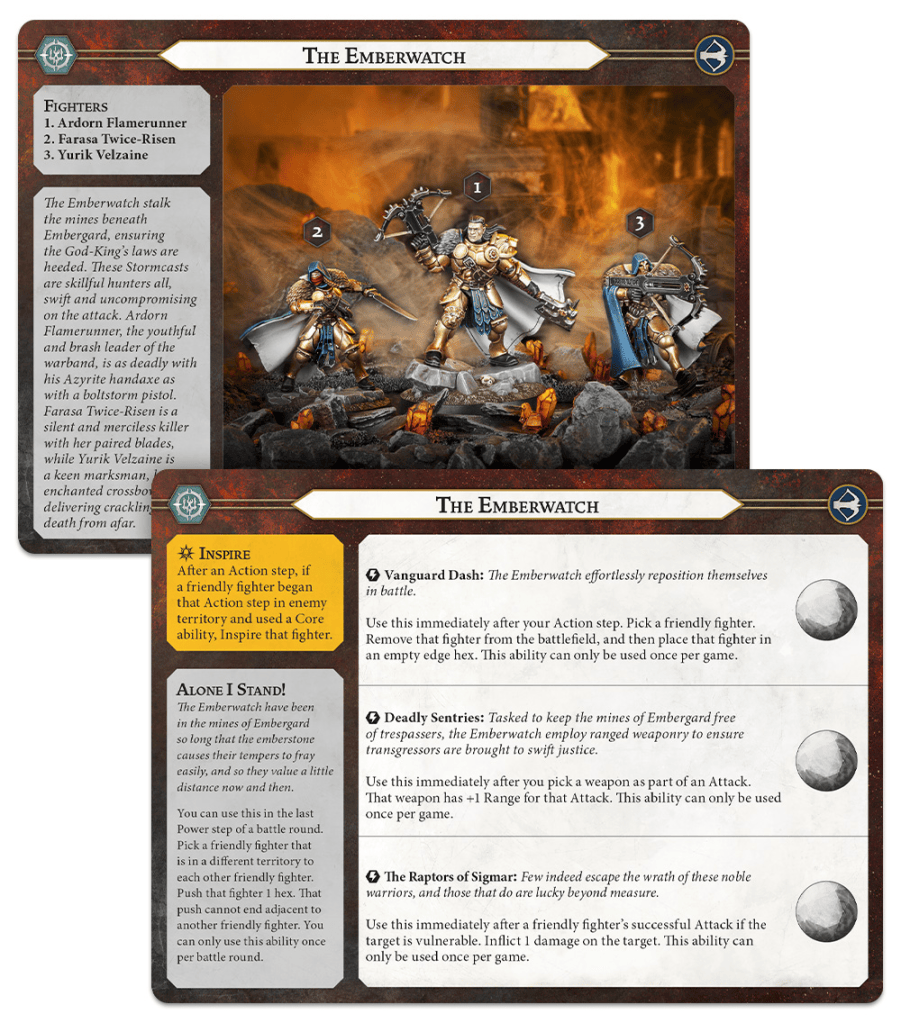
To an extent, faction-specific Objectives. The ploys got carried through on Warscrolls, but Upgrades and Objectives did not. Upgrades might be harder to ‘warscroll-ize’ but the thing that really defined a playstyle for me was the Objective deck in V1. I understand it’s innately unbalanced, but maybe if each warband had a single 2 glory end phase just for them on their warscroll, it would have met more of the ‘flavor threshold’ some people were hoping for. Though those warscrolls might end up being a full-size page in third edition if we put everything like that in there.
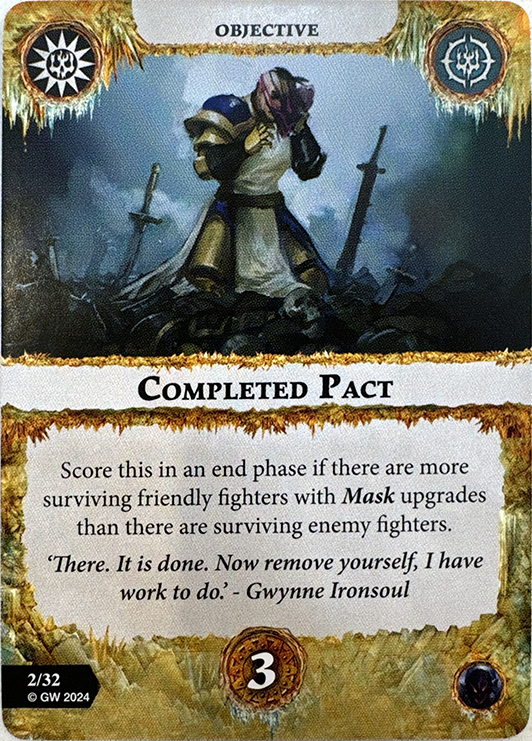
Malevolent Masks, which was just so dang cool. Not that a similar Rivals Deck couldn’t be released again in the future!
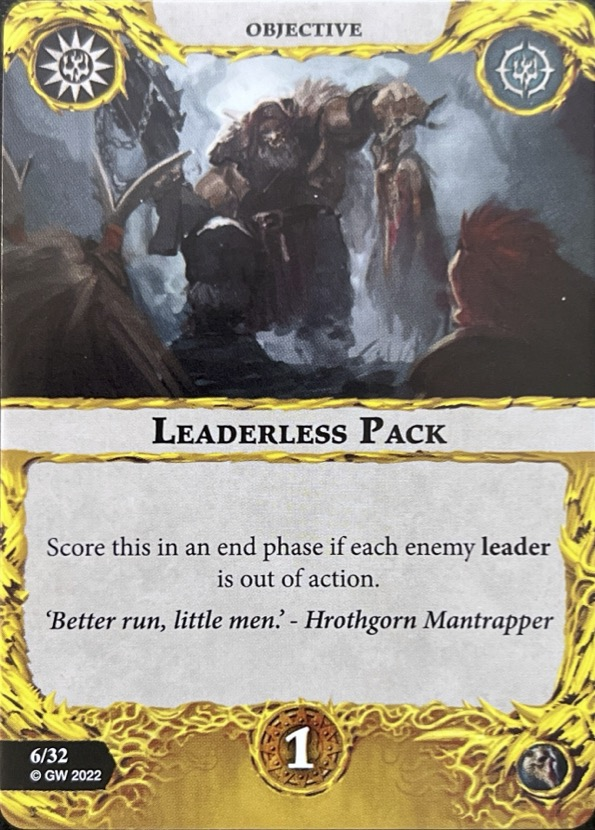
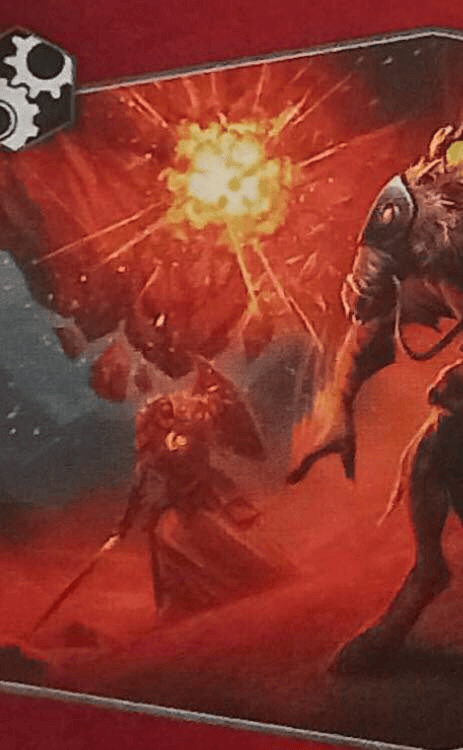
Card Art – I know it’s a big gripe for many, and while I’m not as sad as most to see it go, it was really nice when you got some mood-setting art. The good news is that the organized lay kits do have some alternate art cards, so it’s not gone forever.
And, you know, King Velmorn and the gang – though the Sons of Velmorn have been included in several card photos and now even a promo art piece, so maybe my beautiful bone boys will be coming back in the near future…
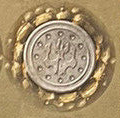
The concept of Spent Glory, and the double-sided glory tokens. Not just because of the namesake (though that absolutely factors in), but because it’s hard to manage it and track expenditure, underdog, etc the current way.
Wrap
What about you? I’ve painted a relatively rosy picture of Second Edition; what has your experience and assessment been? I’d love to hear your thoughts, positive or negative, at SpentGlory@gmail.com. What do you miss from first edition? What would you have them add or change? Whatever you’re looking for, I hope you find it as we continue to delve the mines, and I hope you enjoy spending your glory.





Leave a Reply