

Many people are not as fortunate as me and don’t have a large player group locally to get routine games against and regular tournaments. It took me a lot of work to get to that point, and I have several tips on how to go about building one of those for yourself in the Community Growth Series which I would recommend to anyone looking to expand their pool of friends to play with. You might also be able to luck into an already established group – check out this Community Directory to see if there’s somebody near you. That said, loads of Underworlds people don’t have an established group or can’t take the time/travel to get out to where those groups are. I feel for you. Today I’m going to offer a few suggestions on how to prep and practice with solo play for those more isolated individuals.
Read and Study
One of the easiest things that anybody can do regardless of their degree of isolation is to gather published information and try and learn from what’s out there. I publish lots of things here on Spent Glory and some of it might even be helpful for you to learn from. You can read deck and warband reviews from What the Hex as well as Path to Glory to familiarize yourself with the available fighters and card choices. Jon Grant Miniatures has a load of great content that can help you evaluate what to do and why when building a list and playing the game. Staggerers is another awesome blog that covers tons of deck lists, tournament reports, and strategies from an incredibly strong player in Michael K and his local group.
There are plenty of YouTube Channels that show live-play games you can watch to get a feel for the pacing of the game and what plays are available to talented players: check out Agents of Sigmar, Critical Focus Channel, and DadHammer Underworlds for some, though there are many others.

You can also listen to podcasts and hear a huge variety of things that can help you learn. Saxthom/Thomas and I talk beginner-level stuff on Underworlds Underground. The BattleMallet Podcast reviews new warbands and decks as they release and also has a beginner focus. the Path to Glory podcast is run by some of the world’s strongest competitive players and has a wealth of insight into many high-level aspects of the game as well as frequent interviews with tournament winners. Finally, the What the Hex crew posts lots of interesting deep dives into warbands, decks, and strategies for improving your play every two weeks and are a great group of dudes no matter what level you’re at competitively.
Play Solo Games

Not the greatest option, but you can always play against yourself. You’ll need to manage multiple warbands and decks of cards at once, and try not to act on the knowledge of your ‘other hand’, but practice is still practice even without a real opponent. Juts physically rolling dice and drawing cards can help you get close-to-live exposure to how your plans might actually work in a real game, and if you can’t manage to score a card against yourself, you probably won’t against a savvy opponent later on either.
I recognize this is probably the ‘easiest’ thing to do, but I don’t think you should stay playing solitaire for long if your goal is to have fun or if your goal is to improve. It’s certainly something you can do if you’re in a desperate and lonely situation, and it’s better than not playing at all. Check out the intro section at the very top to find ways to connect with people that will hopefully help you get in more real human interaction which will be better for both your game skill and your social life. I know it’s hard! I promise it’s worth it!
Deck Listbuilding Practice
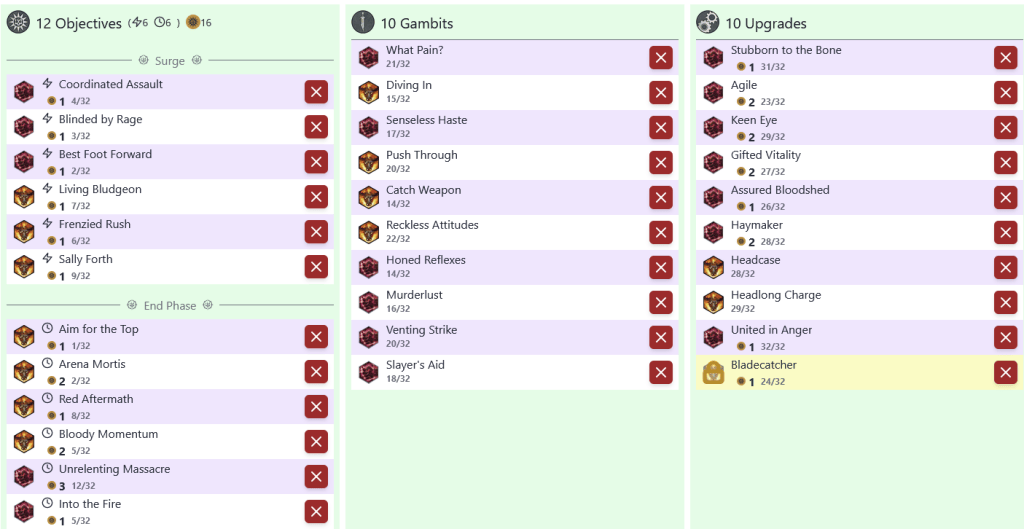
One thing you can do in isolation is build your own decks, then compare them against decks others have made on Battle Mallet or Staggerers nemesis deck libraries.
See where your builds overlap and diverge from those. Maybe you’ve found some secret others haven’t uncovered, but it’s possible that your decks are less optimal that those tournament players. Comparing what you took to what they took might help you figure out how to make different card selections and might improve your ability to assess cards. Know that the list of cards is only one component, as your personal preference and playstyle might lead you to build a different deck – the WAY those cards are used matters as much or more than which cards they are, and an established deck doesn’t need to be ‘copy and pasted’ for you to be successful.
You can practice building decks online with cool list-builder tools such as Wunderworlds Club and UnderworldsDB
You can also check out the Contender Series to see how I evaluate card choices, though please do develop your own strategies.
Study Your Boards
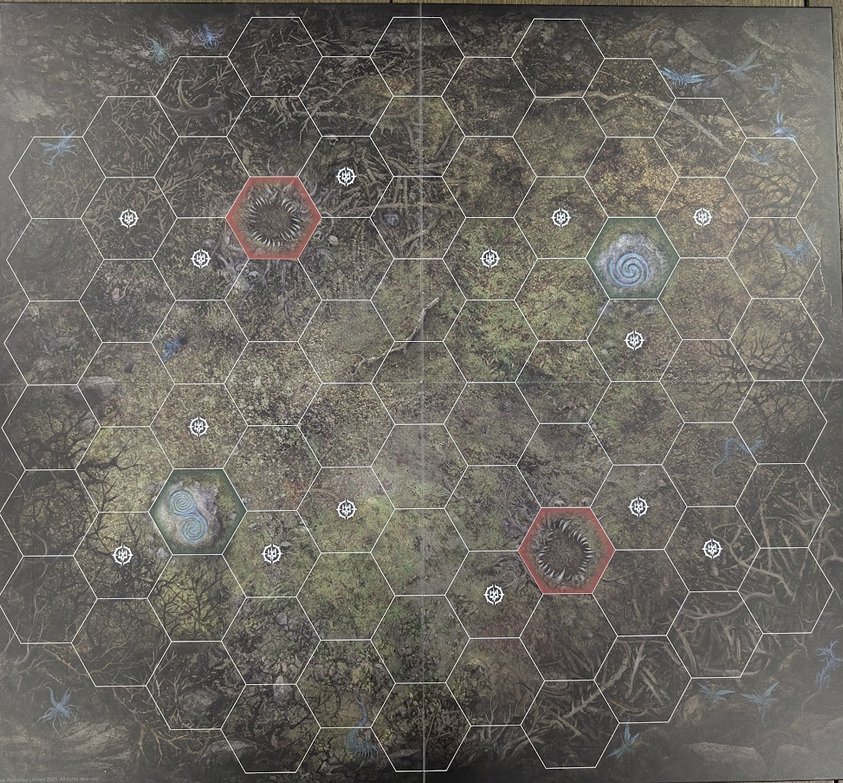
The board you choose and how you orient it makes a big difference in your games. Think through your options and get some practice just deploying your fighters on a given board and orientation to see if you’re able to put fighters where you think they’ll be successful at your strategy, and visualize your first few actions based on that. Maybe even play a solo round against yourself and another deck/warband for 4 activations to see if your board choice was as good as you thought, or if maybe choosing a different board or orientation would have been better.
After you’ve figured out what board you like best, it’s still worthwhile to work through what you might do if your opponent chooses a different board or orientation and you have to adapt to it. Think through what you’d like to do regardless of which starting situation you get and you’ll be more prepared when you do face an opponent regardless of what they put down. Especially if you’re playing a best-of-three event down the line, there will be a game or two where you won’t get to make that decision and you’ll want to be able to win in both situations.
If your warband is movement 3 or movement 5, you’ll want different things. When facing a movement 3 vs movement 5 warband, your opinions may also shift. You may benefit from reading through the contender Series’ Board Orientation and subsequently the Fighter Deployment article to read about how I work through these considerations.
Expand Into Online Options
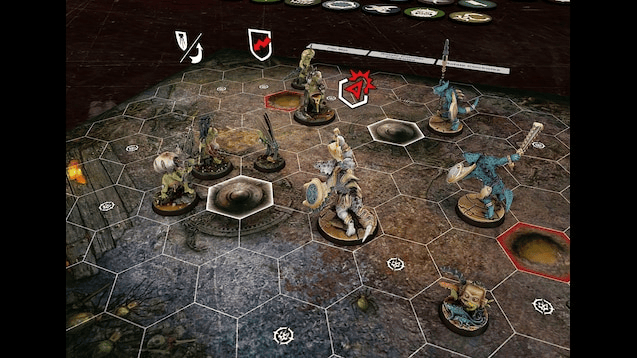
To start off, Do NOT download or trust any experience you get from the Steam Game Warhammer Underworlds Online. That link has a whole host of reasons why that’s not going to help you get better at the game and is not worth your time.
Plenty of people play on TableTop Simulator, and you can often arrange games on the Reddit Discord. Many more play on the Vassal Module and they have their own dedicated discord as well. Some people are also willing to try webcam games if you want to try and arrange that on Facebook, Reddit, or elsewhere.
The more people you play with, the better you’ll get. While I still strongly believe in-person physical gameplay is the best way to improve (and the most fun), this article is for those without that as a consistent option.
As the single most important thing this article might try to covey: I’d recommend you join the Vassal Discord (hit me up if you need an invite link).
The people there are always down to talk about anything and are some of the very best players in the world. You’ll be able to chat warband and deck strategies with them as well as arrange online games to get more experience and advice from established players.
You also can join other Underworlds Discord servers to chat with more people. Popular and active ones that I know of are the Mortal Realms server that has a dedicated channel for Underworlds where you can talk to the What the Hex people, the Path to Glory Discord for fans of the same page and podcast, and the Staggerers discord for readers of that page.
Go To Tournaments ANYWAY
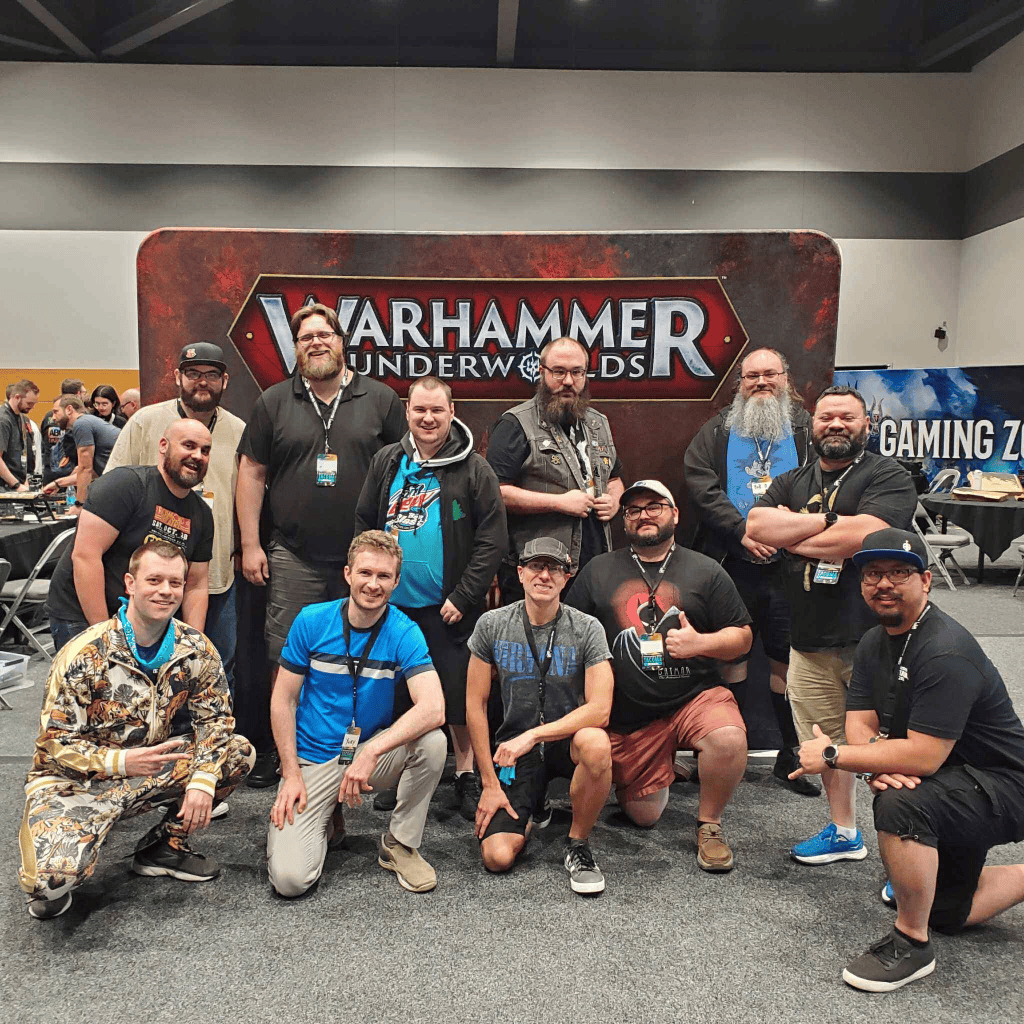
Even if you feel like you’re “not ready” because you don’t have a lot of practice or a lot of experience, I would still very heavily recommend you travel to an event that’s within range for you. The single best way to get better is to play against other people who are trying their hardest to win. It’s OK to go to an event under-prepared, it’s OK to lose every game. When you do attend, you’ll learn a lot about not just your warband and deck, but the things you play against and how other people play. You might be surprised at how much there is to learn even in a series of big losses, but you might also be surprised that you’re better prepared than you thought.
Even if you don’t perform as well as you’d like, you will meet people at the event. Potentially making new friends who are close enough to you that you can meet them halfway to play games in the future, set something up online, or even just trade emails with somebody to bounce ideas off of. That single event might not win you a big trophy. but it’s the first step into getting better.
You can also elicit feedback from your opponents after the game. “Hey, I know I lost – what do you think I could have done better? How did you learn how to do XYZ”? Many tournament players will be willing to share their tips for refining your deck for subsequent events or helping you figure out what you might have played differently. You could learn from somebody who’s pretty good about how to deploy your fighters, maybe you should have charged to a different spot, you discarded a card they would have kept in hand, etc. You don’t know what you don’t know, and your opponent can always give you things after the game win or lose.
An article you might want to read through to help you prep for this is what to expect at your first tournament, followed by a similar article about attending Grand Clashes and other convention-level events. I really do believe competition is for everyone (even ‘casuals’), and you’ll potentially make some lifelong friends and really engage with this game in a way that you haven’t before just playing alone or with 1-2 friends at home on rare occasion.
Teach Others

This one helps in more ways than one – if you have a casual, new, or completely inexperienced player near you, offer to play with them more and teach them. Even if Underworlds is their ‘side game’, you can help somebody get better by teaching them what you do know, and in the process of teaching you’ll also teach yourself. Every so often you’ll convert a casual player into a more serious one, and now you have a stronger and more established play group to get more practice with. Once that’s done, you might not need this here ‘what do I do when I have nobody to play with’ article!
Wrap
Again, I understand a lot of you are in situations where you don’t know anybody who plays, don’t have anybody around who will play with your regularly or seriously, and you want to get better at Underworlds and simply don’t feel like you have a good avenue to do so. It’s a huge bummer, and I know it is, because I was there once too. Follow the tips here and hopefully this will alleviate some of that for you, and then head over to the Community Growth series to read about how to go about getting more people near you into playing so that you can engage more fully, have more fun, and get better at the game all in one.
Failing any of that, again feel free to reach out to me at SpentGlory@gmail.com or anywhere else to get an invite to the Vassal Discord, which will also solve many of your problems getting games, advice, and friends. This community is awesome, this game is phenomenal, and I’d hate to have you feeling trapped at home without anybody to share it with.
Whether you’re advancing your skill on your own, with a small group of friends, or just lost on where to start, I hope sometime soon you’re able to have a cracking time spending glory in the Underworlds.






Leave a comment