
Please Note; this article refers to custom game modes and White Dwarf alternative play rules from Frist Edition and may not translate cleanly into subsequent editions. If you can find a way to make them work, please do! I would love to hear about them and publish your modifications to add to our series on custom rules on the page, which you can view by clicking here.
Today’s article slots into the Community Growth category, as we will be exploring the multiple ways to play the game and how you might find something that works for your group and recruit new players who want a different experience. The ‘standard’ underworlds experience as a one-on-one competitive game works great for some (it certainly does for me!) but you may want to look at other experiences you could offer players in your group to encourage variety and also help interest other people in your orbit who haven’t yet taken the dive into Underworlds. I’ve written before about how we should strive to be as inclusive as possible and alternative play modes can help with that. Without further ado, let’s dive in the the many types of underworlds game one could play.
Standard Underworlds
As readers of this website likely know, there are three major formats of Warhammer Underworlds – Rivals, Nemesis, and Relic (Championship). I won’t spend a terrible amount of time on them for the purposes of this article, but many of your group’s current players and potential new members will likely have a great time playing one or more of these formats. Just know they are not the only way to enjoy Underworlds!
War Unbound
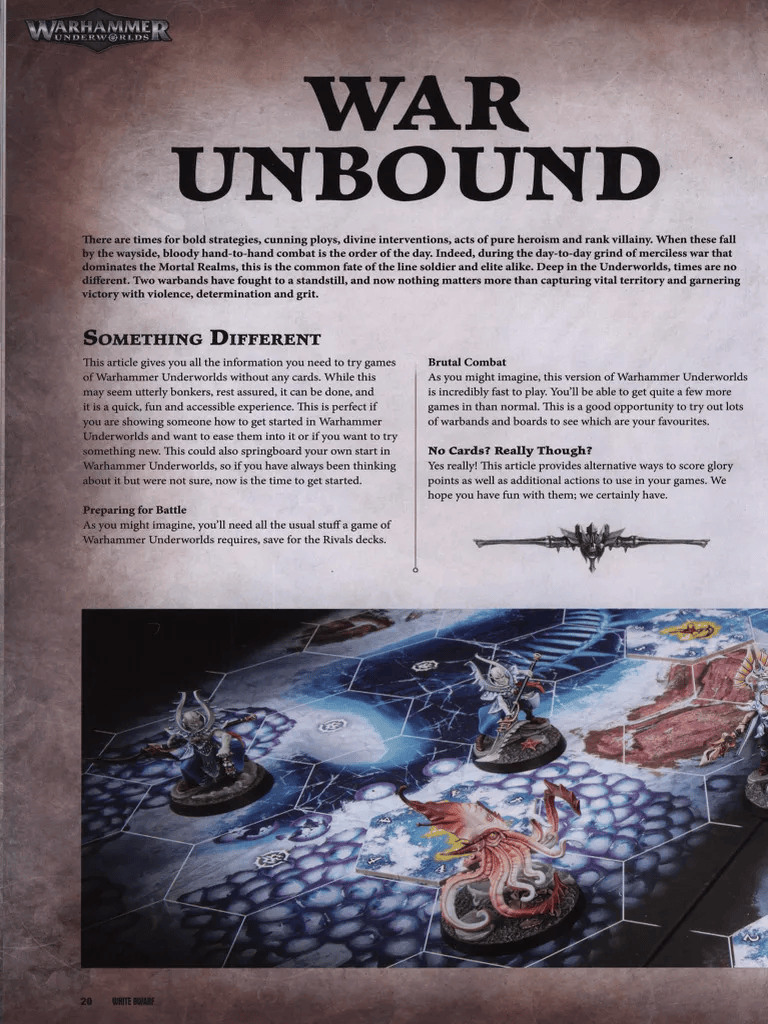
A new way to play introduced quite recently, War Unbound is an official play format that does not use cards (aside from fighter stat cards) and is much more of a pure miniatures game. If you’re playing with somebody who is coming from a different skirmish game such as Warcry or Kill Team who might be intimidated by the deckbuilding or card game aspect, this is a great choice to ramp them up into the game’s core mechanics. It could also be great for people new to board games or miniatures games in general, younger players, and more casually interested people who want something with less complexity. The rules were released in a White Dwarf article, but you can read a text version here.
Introductory/Simplified Formats
If War Unbound isn’t for your potential new player, or you want to try using cards and introducing more rules concepts piecemeal, I described a method for doing that in this article about bringing younger players and children, along with other ‘non-gamers’ into the hobby.
Lesser Used Formats
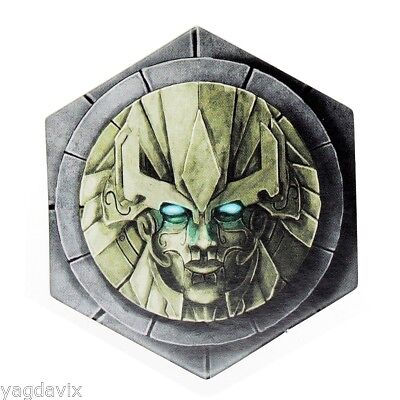
Some formats that were previously in the official rules but have since faded into history can always be revived, at least on a short term basis in your local group! I have occasionally had great fun playing The Katophrane Artifact which could be found in the Shadespire Rulebook back in season 1. A King of the Hill variant (enjoyed by 2-4 players), the Katophrane Artifact is an additional objective token in the dead center of the board that grants guaranteed inspiration at the end of the round to the fighter holding it, and three glory points to the player holding it in a given end phase. It creates some crazy scrums in the middle as everybody competes over the single prize and has given me a lot of laughs and fun memories.
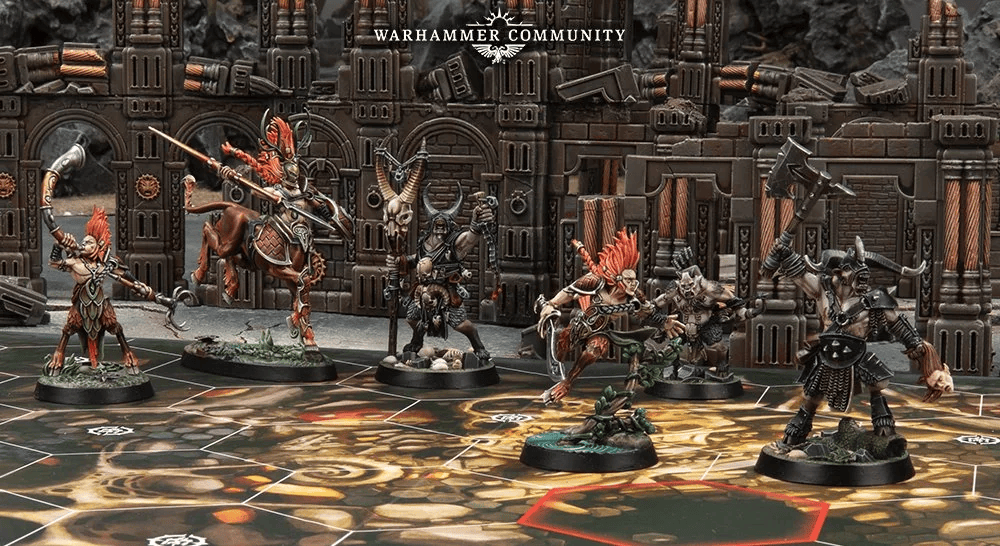
Grand Avatars is another official play format released in the Beastgrave/Direchasm era. You build a warband out of a couple fighters from different warbands, as long as they’re all from the same Grand Alliance. The balance is pretty questionable, but it could be fun to have a couple rats from every Skaven warband or multiple Orcs and Goblins running around the place. I have never played it myself personally so I can’t vouch for how smooth it is, but the rules can be found here or in a PDF format here.
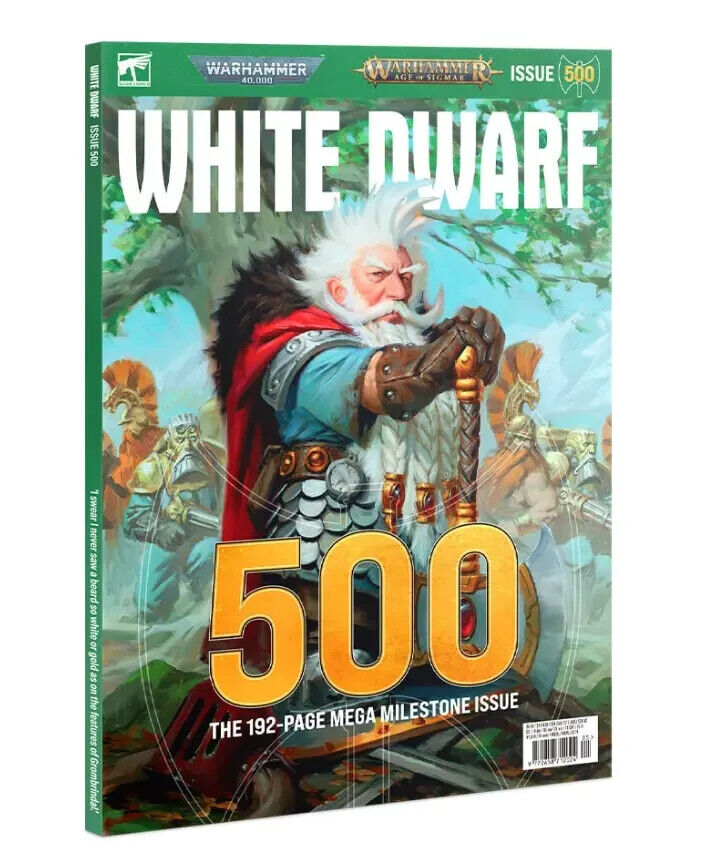
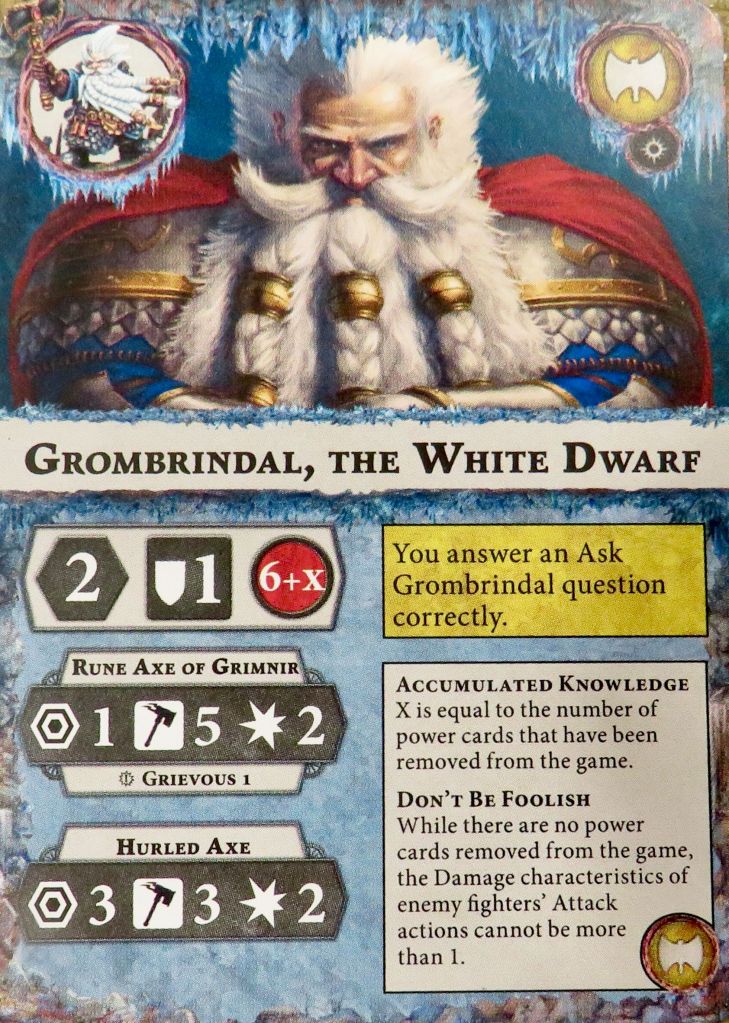
White Dwarf 500 introduced us to the Grombrindal game mode, where one player takes on the role of the legendary White Dwarf, controlling a single model. You have actions to answer trivia questions related to Age of Sigmar lore, raid your opponents’ discard pile for power hands, and overall is a goofy way to play that can spice things up for people who want an off-the-wall experience. Here’s a summary.
Also in the 500th edition of the White Dwarf magazine, we were introduced to the game mode called “Divine Intervention”, wherein players can appeal to the gods related to their warband’s Grand Alliance faction for favor. Rules-wise, each Grand Alliance gets a “Divine Intervention” Card, which is shuffled into the bottom half of your Power Deck. When you draw it, you can spend Glory to get special effects – each card has an option for 1, 2 or 3 Glory, and you can use each as much as you like, as long as you have enough Glory to spend at the time. Effects include turning off an objective (Destruction), Pushing a fighter 2 hexes (Chaos), +1 Dice +1 Damage to your next attack (Order) and Inspiring/Guarding a fighter with a Raise Token (Death), among others. A nice way to spice things up and could easily be rolled into a Grand-Alliance themed game night, league, or tournament!
Finally, the Vanguard Format was away to play in the official documents of old that had a smaller ‘rotation window’ – only things from the current season were allowed competitively. This meant less variety in warbands, cards, etc, but also meant that players who were new and just bought in wouldn’t be steamrolled by longer-term players with access to good older stuff. This is far less of a problem with Rivals and Nemesis now, but it can still be fun to have a ‘themed’ event with only recent releases allowed, and can prevent some feel-bad moments for newer players who might otherwise have to face old greats they can’t get anymore like Madmob or Crimson Court, or decks that are impossible to find like Tooth and Claw.
Multiplayer Options
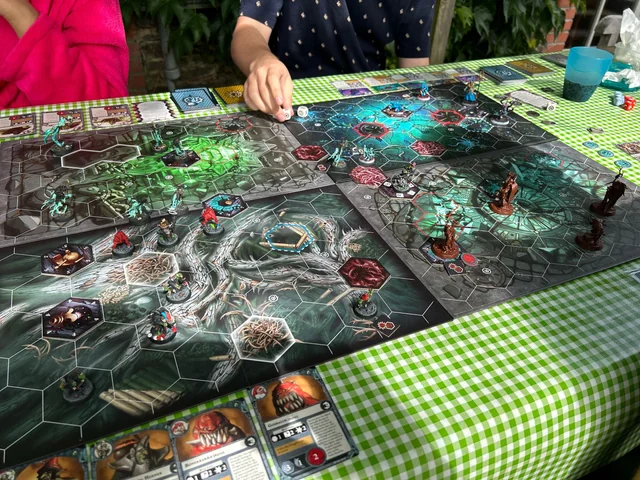
Perhaps your group, or a new player you’re working to bring on board, would prefer multiplayer games. There’s definitely benefit to social deduction, shifting alliances, and the group atmosphere that things like Glass-Mad Gargant, Arena Mortis, and three and four player Underworlds games can bring. Here’s an article I wrote describing ways to enjoy a multiplayer game night that you might find helpful for odd numbered groups, a new way to enjoy yourself, or for players who want a party night rather than a competitive one on one match.
Another multiplayer method available to groups is to create an event or league using the old “Alliance Format”. In this setting, you establish teams of two or more players who will compete as a group, with both players’ wins and losses counting together. To add some variety and flavor to the experience, no cards can be duplicated across the decks within a single team. If you’re playing Rivals, everybody needs to use a different Rivals deck. In Nemesis, there can be no overlapping cards (so likely different warbands and rivals pairings for everyone on a given team), and in Championship you can only have one copy of Great Strength in the entire team, for example. Alliance events can add camaraderie to a group and increase investment and buy-in from players who join teams. For more reading, check out this article from the now defunct Keep Chopping blog titled “Of Alliance format and why should you try it“.
Another unofficial way to play multiplayer games includes a new ‘2 vs 2’ idea that spawned from the 2024 Alberta Classic. As discussed briefly in this Underworlds Underground podcast, in this 2v2 mode teams two players face off in a four player match, where all models on your two-player team count as ‘friendly’ models, cards can be used from both players’ hands on any fighter and can combine to score both players’ cards. The mode opens up loads of interesting interactions, as now you have warband-specific cards from a warband that you’re not piloting available to you. Lots to explore for experienced players looking to add intrigue and mechanical complexity to this beautiful game.
Solo-Play
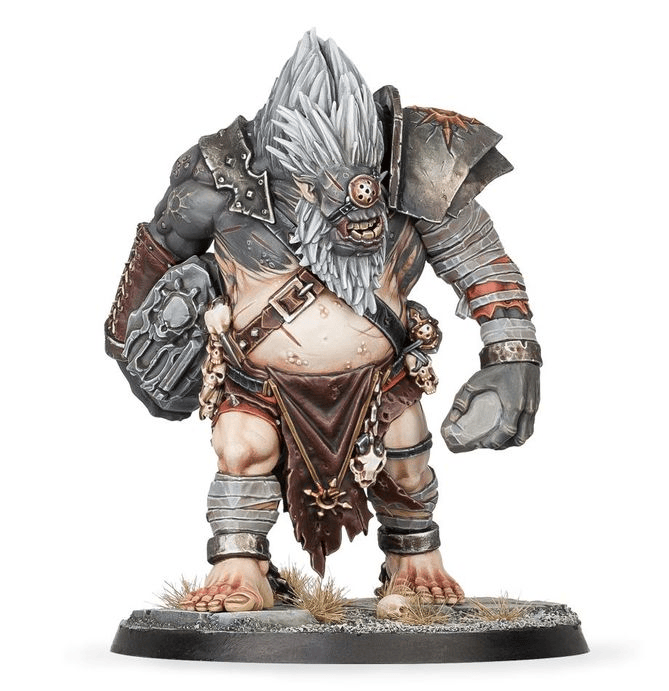
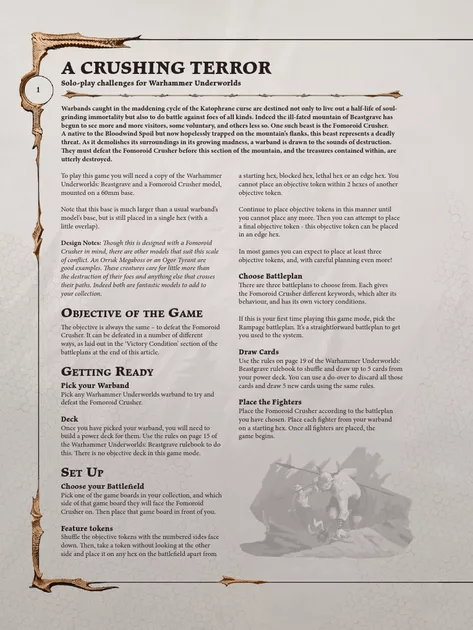
Say you don’t have a group, or you have players who can’t make your game nights. Online play is certainly an option for people through webcam, Vassal, or Tabletop Simulator, but you can also enjoy some single-player games in your downtime or off weeks. The Games workshop Official “A Crushing Terror” game mode contains solo-play rules where your warband must take down a Fomoroid Crusher cave beast or die trying. Reddit user RHeaven90 has made some reference cards to help you play this mode, which are really neat! Check out this reddit post and pop over to the Google Drive for ones you can print yourself. There’s also a PDF in the Tabletop Simulator.
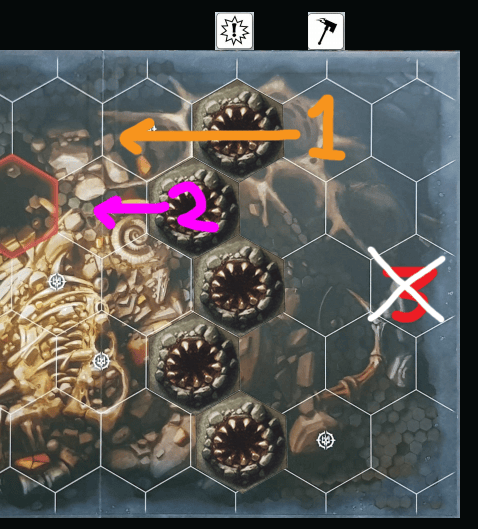
A community member by the name of Derek Wheatley also made an interesting solo-play game mode called the Amber Army where you attempt to break through a sentient line of rock advancing towards your warband, and you must reach the other side of the board to escape.
You of course can always play single player by controlling both warbands in a traditional two-warband game using a standard format, which can be useful competitive practice for some players.
A Solo Campaign document was penned by Anthony Nunes/King Toko and while I haven’t tried it myself, it could be a fun way to play solo while having your games ‘matter’ in a longer term sense. It includes a rogue-like dungeon crawler mode and who doesn’t love that?
Fun Twists
Some people and groups are certainly fine with the standard formats but want something a little different to add variety to their games nights or tournaments. Newer or more casual players might feel intimidated participating in ‘the ultimate competitive miniatures game’ and can be reassured that your group is trying to play some goofy and fun things rather than the usual. Here are a few flavors I have found over the years that can fit the bill.
Rivals Round… Robin – everybody brings the same rivals deck and uses the warband of their choice, to see who is the best Fearsome fortress-er or the Beastboundiest Assault squad, for example. You all have the same cards, and it’s just the fighters that differ.
Dumpster off – make the worst deck you can, then everybody is randomly assigned one of the decks brought (or just swap with your opponent) and you have to try and win with whatever bad thing you get given. May the best make-lemonade-out-of-lemons person win! Can be fun to build completely terrible decks and then laugh as somebody in your group has to try to win with them, and creates great memories when a player manages something great against the odds. What the Hex did a ‘Trashfire Tournament” with a similar concept that was great fun (at least as a listener)
Nick Bayton, a Legend in the UK scene, created an idea known as the Pandaemonium. It effectively is a warband drawn from a hat – everybody brings a warband as usual, but that’s not the one you’ll be playing. It’s the one somebody else has to pilot! Somewhat of a variation on the dumpster-off above, but playable with Rivals format and uses no deckbuilding if you want to skip it. The event looked like a lot of fun and you can track both individual players’ results and the warbands themselves as they get passed from person to person across the day.
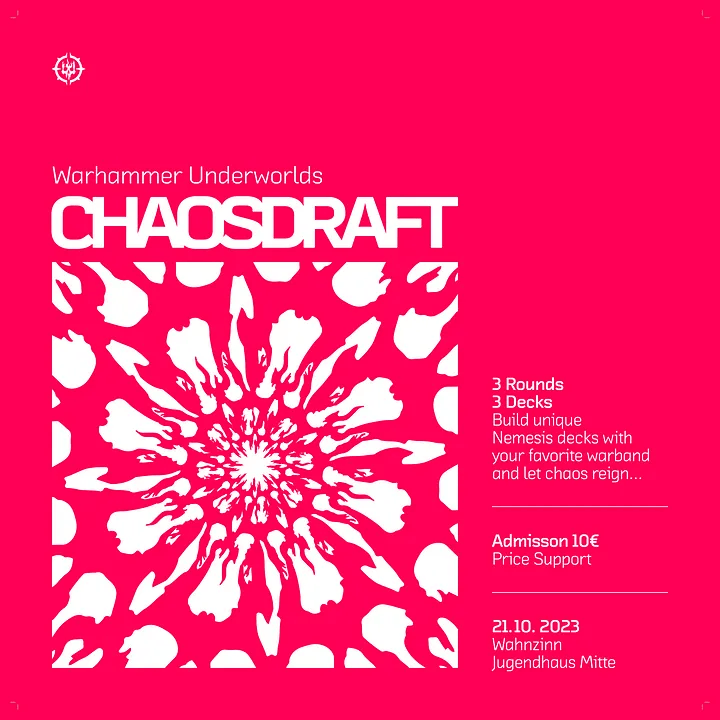
Chaos Draft – A variation on the ‘Draft’ format found in Magic the Gathering and other trading card games, The Chaos draft is an idea put together by Raumzeit77 from Germany. Check out the post here to see how it works and how you might throw some seat-of-your-pants deckbuilding into a crazy fun event
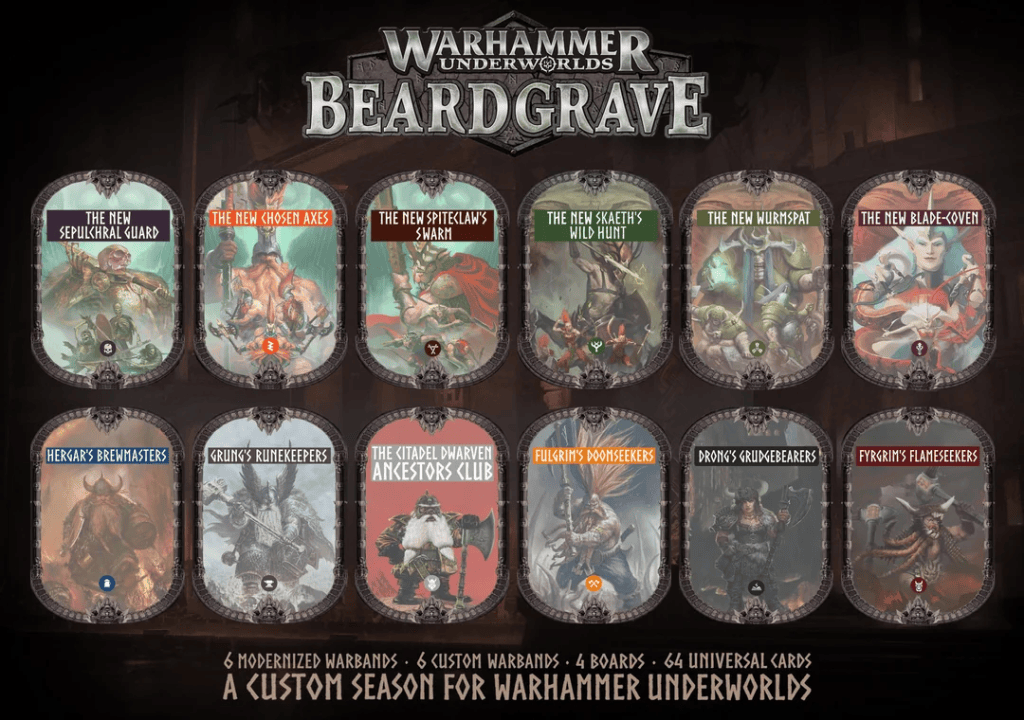
Custom Warbands, custom cards, and custom rules are always open for use if you and your opponent/ group can agree to them. You can make some of your own, and there exist several floating around the internet (like these), but the most robust and well tested is the Beardgrave format put together by Wathlab, a community hero. Sensing the need for more Dwarves, and refashioning the outdated ones we did have, he made a complete season with revamped and new warbands each with complete and well balanced decks! Check out Beardgrave and see if your friends don’t want to take it for a spin.
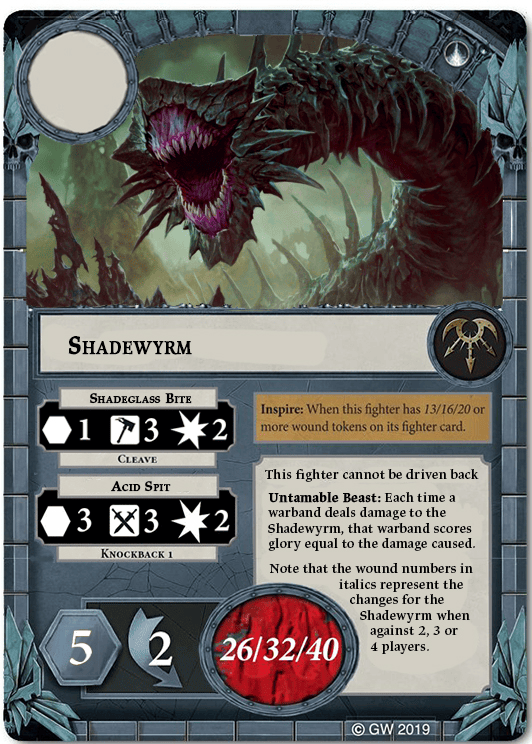
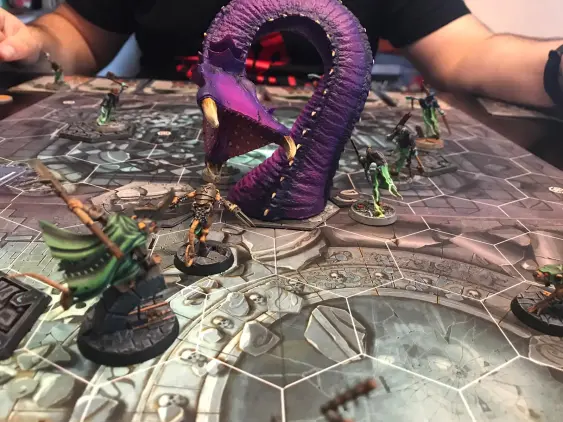
Derek Wheatley, who put together the Amber Army solo play I linked above, also has some other play modes that could be fun for a group to try out. The Shadewyrm is a variant on the Gargant play mode, and he also has put together another multiplayer kill-the-monster mode called The Shadespire Sentinel. He also created some ‘Habitat Cards’ that can be used similar to the Arena Mortis hazards or the Dreadfane cards to add some random variety to your rounds and lighter/casual-ize the mood while playing two or 3+ player games.
Wrap
In short, there are many ways to enjoy Warhammer Underworlds beyond what you find in the core rules. It’s important to keep in mind as you foster your local scene’s growth that not all players want the same experience, and everybody needs something different to feel safe and included. Some of your long term players might enjoy the break and variety a different play mode can bring, and others might decide to finally give your scene a try if they see that you are deviating from the “Ultimate Competitive Miniatures” playstyle for a weekend or what have you. These different ways to play can be used during a community play night, a new players’ event, the bye round in a tourney, or just a casual wacky game with a friend. No matter how you choose to engage with Warhammer Underworlds, you’re bound to enjoy yourself more if you know your opponent is too, and maybe you’ll find the right fit among these other options. Regardless of how you like to play and how your potential new players want to engage, don’t forget to Spend your Glory!



 Spent Glory
Leave a comment