Trigger Warning: this article discusses suicide, mental health, PTSD, and alcoholism among other subjects and may be uncomfortable for some readers.
I got the idea for this post after reading this Goonhammer article, titled STOP Competing: Embracing Being Good Enough.
The gist of that article is that some people place so much pressure on themselves to win at the top tables of large tournaments that they only play one game and only focus on how to maximize their competitive edge in that ruleset – not to have fun, not to enjoy the great components of the hobby, really only focusing on chasing that trophy. Bair shares his own life story and journey through the hobby, and states “In short: set your expectations realistically and don’t compare what you’re doing with others. We’re all in this because we love it for one reason or another. It’s okay to just be okay.”
While that article is great on its own merits, it did get me thinking. What follows is going to be an exploration of perfectionism in our gaming and hobbying community, how it’s holding you back, and how to overcome it. I will dip into pathological and maladaptive perfectionism and touch on a few heavy subjects which may not apply to you, but I included them for completeness’ sake and for those in the audience who may benefit from them.
You may be surprised to learn that I was once a perfectionist – in the pathological sense. Today, you wouldn’t think it since, you know, gestures vaguely at the entirety of this website. That said, I have made a lot of personal progress in that area with the assistance of professional counseling and psychiatric help, without which I wouldn’t be the person I am today and certainly wouldn’t be enjoying this hobby or gaming with my Underworlds homies to the same extent. If you or a friend are a perfectionist and it’s holding you back from fully embracing or engaging with this community (or life in general), I’d like to provide you with some reasons why you might want to work to overcome that, as well as attempt to give you some guidance on how to start. If you have it real bad, I’d recommend professional help, but most of us have protectionist tendencies to some extent and generally we’d be better off without them.
I probably have some innate predisposition to it, with a relatively high amount of conscientiousness in my personality, but my home environment metastasized it into something far more harmful than helpful. Growing up I was taught that failure was about the worst possible thing that could happen, and that anything short of complete victory was failure. If the thing wasn’t a contest, like art, then anything short of unquestionable skill and a complete lack of identifiable flaws would be picked at in the form of ‘constructive criticism’.
It led me to a life where I was afraid to try anything new, very quick to quit anything I wasn’t immediately successful at, unable to find comfort in others during times of failure, and unable to appreciate my achievements or share them with others. Sounds pretty cool right? My first suicide attempt came at the age of 8, when I wasn’t going to be able to pass a violin recital. I hadn’t even failed yet, in this zero-consequence scenario, but the belief that I would was too much. There was no such thing as “Good Enough” in my vocabulary.
I won’t bore you with the details, but the initial interventions were quite unsuccessful and I spent the next 20 years in various levels of depression, 10 of which were spent as a clinical alcoholic (I am coming up on seven years of sobriety though!). During that time I engaged with miniatures games and the hobby on and off in fits and starts, but never was really able to dive in and really enjoy it or take to it fully until I played my first games of Shadespire in 2018.

Part of that is because Underworlds as a game is great fun and the people are awesome which you can read about all over the Spent Glory website, but the reality is that I had come to a stage of personal growth that allowed me some distance from the idea of being perfect, lessen the fear of not being immediately successful, and actually take that risk out of a place of optimism rather than looking on from the distance longingly in a place of anxious fear. I’m incredibly grateful for having made it to this point, and I want that for you as well.
If you or someone you know is on the fence and is being held back by perfectionist tendencies, I want to cover some of the reasons perfectionism is actually harmful to your performance as well as diminishing your enjoyment of that performance, then dive in to some strategies for reducing your perfectionism. Whether you’re on the outside looking in for the Underworlds Community or some other group, please take the dive. Head down to your local group’s weekly meetup. Register for that tournament. Heck, enroll in that guitar class you’ve been agonizing over! Sign up for the rec league softball team! Engage in life, warts be damned! YOLO and all that jazz.

Perfectionism is Actually Hurting Your Performance
I know this sounds preposterous to someone who is in the throes of perfectionistic continual self improvement. Top athletes display perfectionistic attitudes all the time, but that’s why they win championships, right? The thing is, there are different kinds of perfectionism, as described in this article by a clinical sports psychologist – negative, which can lead to guilt, sleep difficulties, and emotional disturbances along with the inability to focus on their sport – all of which result in reduced performance. This is in contrast to positive perfectionism, which he claims focuses on ““self-growth,” where success is measured through challenge and effort, and failures are seen as guideposts to grow from.”
Some psychologists do assert that positive perfection can be helpful, but there also exists a decent amount of clinical research that demonstrates an association with suicide in athletes that display these tendencies. Obviously Underworlds and other tabletop games are different to an extent, and likely not as all-consuming as some athletes allow sports to become in their lives, but the risk likely carries over and suicidality is probably not the way to have the best performance possible.
Why Perfectionism is Reducing your Enjoyment of the Hobby When You Do Manage to Engage
One of the major issues with maladaptive perfectionism is that if failure is seen as a possibility that is intolerable, many may struggle to actually initiate the activity. “What if I go to the tournament and lose? Maybe I just shouldn’t register”. “What if I paint this thing and it doesn’t look good enough? Maybe I need to do tons of research and watch hundreds of videos before I can start so I make sure to do it right”. I have seen myself when friends are hesitant to start painting because it won’t “look good” and so just have a shelf full of unpainted or primed models out of that fear, which can also give them shame and guilt – all self caused.
Maladaptive perfectionism can also dampen your enjoyment of the activity – leading to what’s clinically known as anhedonia, or the inability to feel pleasure. This is a gem, you’re supposed to play it because it’s fun. Painting can be viewed in the same light. For some, even if you do make something ‘perfect’ you’re afraid to share it with others, because they might notice some flaw. What’s the value of a masterpiece if nobody sees it?
Even if someone else is impressed by your work or wants to congratulate you on your competitive performance, you might be consumed with its flaws and perhaps even feel shame from the acknowledgement. I know I certainly did. For people with this challenge, winning isn’t good enough – you could have won by more, or more easily, or not made that one mistake. This leads to a shuttered and private life, embarrassed to share your successes or be ‘seen’ – and that’s if you’ve even decided to make the attempt at all.
In addition, even if you manage to avoid these negative ‘side effects’ of perfectionism, the ‘striving’ – turning your hobby into a ‘job’ that is not fun or fulfilling but rather stressful and burdensome – defeats the purpose. Remember, this is supposed to be fun, a hobby, a pastime. I‘m going to link to Goonhammer once more, as the article talks pretty extensively on that subject.

How to Take Steps Towards “Good Enough”
Again, I want to reiterate professional help for those who need it. You may find that it’s more than just your hobby that this is affecting. It is hard to admit you have a problem, and hard to accept that you might need help for it, but for myself I learned (only after enough failures) that if I could get myself out of the hole I dug alone, it would have happened at some point. I rolled my eyes at this phrase a hundred times – ‘it’s not a weakness to allow others to help you, but a strength’ – but there does remain some truth to it.
For those who feel they don’t need professional help, or at least aren’t ready to accept that yet, there are a few methods for working through it.
Try setting attainable goals – you don’t have to win that Grand Clash, but maybe you want to place in the top half, or win more games than you lose. Maybe you just want to hold your own in that ‘bad matchup’ you’re worried about, or take people to a third game in a best of 3. I typically, when ‘tryharding’ a competition, see if I can do better than I did the last time.

After the fact, you can try to objectively assess your performance rather than becoming overly self-critical and looking in a negative subjective light. Yes, you mulliganed your opening hand and drew into worse cards. “So stupid! I’m an idiot for doing that!” With the information you had at the time, was it still a good choice? Sure in hindsight you know it was the wrong move, but berating yourself with negative self-talk doesn’t help you get better, it just makes you feel worse. The next time you draw a bad hand, rather than letting the last ‘mistake’ haunt you, you might be better able to objectively decide rather than reacting emotionally.
One thing that may also help ius to try shifting your perspective – rather than viewing these events as opportunities to fail, or threats against your person/identity/safety, try to view them as ‘challenge states’. The more opportunities you have to face a challenge, the more challenges you can overcome, and the more resilience you gain for future challenges. These are opportunities, not dangers!
Another idea you could lean into is looking at a concept that has gained a lot of traction in parenting circle is the concept of the ‘good enough parent’ and the affiliated benefits benefits of embracing being ‘good enough’. The idea is a parent consumed with always doing the right thing, always making the bets choice, being the best possible advocate for their child and so on leads to an over-stressed, tense, hyperfixated parenting style that stunts the kid’s emotional growth and can pass along any number of neuroses. Think helicopter parenting, or the newfangled ‘lawn mower parenting’ – these kids don’t turn out better AND the parents suffer more. A more relaxed parent who understands you don’t need to get every interaction just perfect every time right away can actually be attentive to the child rather than stuck in their own head, and it ends up that ‘good enough’ might actually be better than the ‘tiger mom’ perfectionist. I’d bet the same stuff applies to your hobbying and gaming journeys.
Other Resources
Many people recommend the book The Gifts of Imperfection: Letting Go of Who You Think You’re Supposed to Be and Becoming Who You Are by Brené Brown. I personally didn’t find it incredibly useful but I may have been deeper in the hole than the target audience. Give it a read if you think you’d like some outside perspective on chilling out and accepting yourself and your performance.
One thing that DID help me a substantial amount is Complex PTSD: From Surviving to Thriving by Pete Walker. It’s a little heavier on the psych stuff and is definitely a heavier read but if you think you’re pathologically perfectionistic because of things that originated in your childhood, give this website a read and see if the full book is right for you.

If you drink too much, whether it’s related to perfectionism or not, I also derived a lot of benefit from the book This Naked Mind: Control Alcohol: Find Freedom, Rediscover Happiness & Change Your Life by Annie Grace. She herself was perfectionistic in her work life and that led to alcoholism – and she shows you how to cut back or quit altogether from that lens. Here’s her website (and she has an affiliated podcast) that can help you assess if the book can help you
If you or someone you know is in a really dark place, most regions ion the world has a suicide crisis hotline you can call. In the US you can call 988 or alternatively 1-800-273-TALK (8255). The charity NAMI is a good place to donate or volunteer if you want to help others in this regard.
Wrap
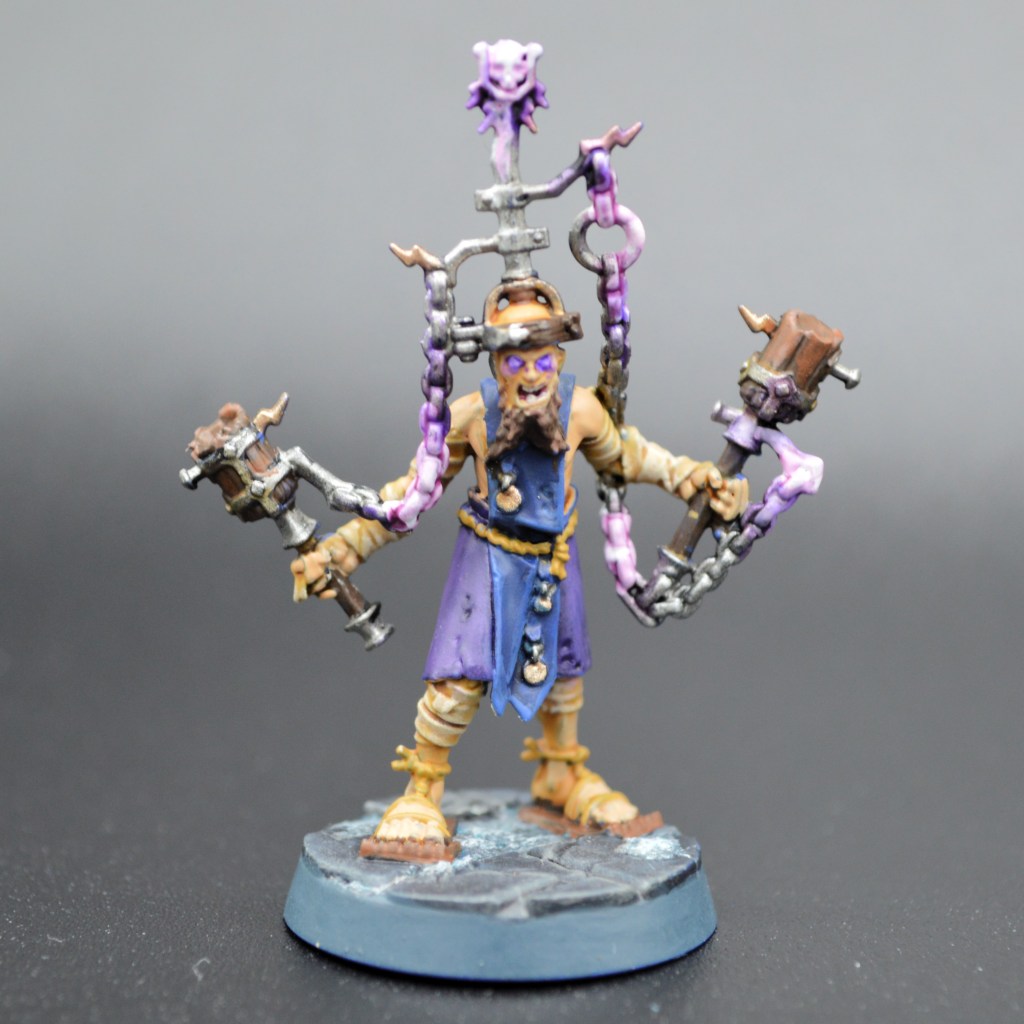
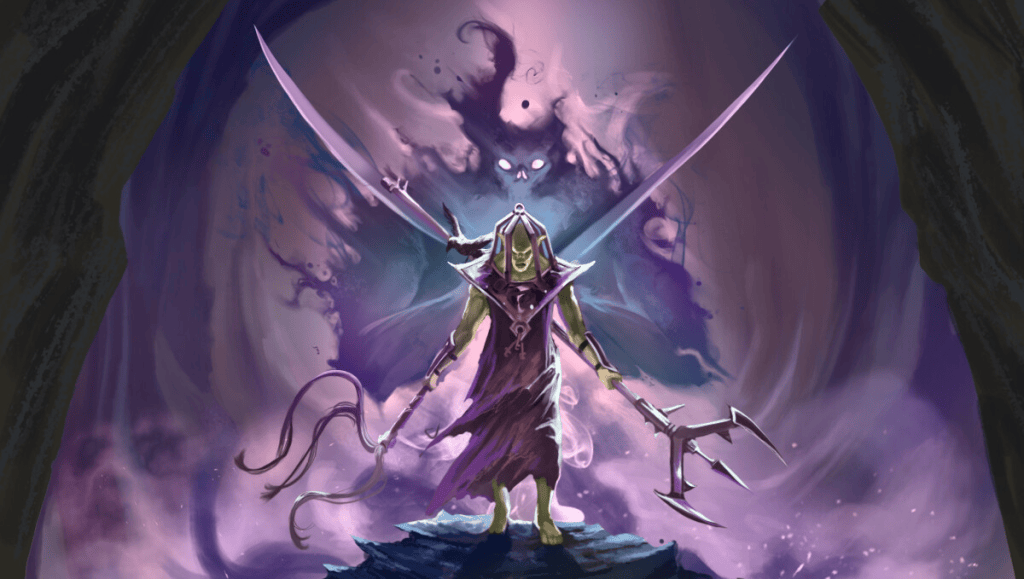
I know this one was a little heavy, especially if you don’t have significant mental health concerns like me or Scorched Yakob up there. Anyone can benefit from a little reminder to chill and focus on growth rather than being overly self critical, but I wanted to let those who are struggling more than others know that I see you, I have been there, and it can get better. Please take care of yourselves. I’d love to spend some glory with you today, tomorrow, and for as long as you’re having fun. Please reach out to me on Facebook, Reddit, Discord, or at SpentGlory@gmail.com if you want someone to talk to.




 Spent Glory
Leave a comment