
This article is a part of the Contender Series, the goal of which is to encourage players to begin participating in Organized Play events, attending tournaments and Grand Clashes, and overall up their competitive game to improve as players and ultimately win more often. While I am not personally some competitive ace taking home glass every weekend, I do have advice to help get newer players off the ground and set you on the path to success, and also can point you to better players than myself where you can get more focused advice when you’re at that stage. I will attempt to keep this article series ‘timeless’, so while I’ll reference specific warbands, cards, and mechanics occasionally, I want it to be relevant for years and so will try to refrain from focusing too much on today’s current competition climate. With those things said, let’s dive into the next article in the Contender Series: Practice.

Articles in This Series:
Warband Selection
Choosing a Deck/Pairing
Deckbuilding Overview
Evaluating Surge Objective Cards
Evaluating End Phase Objective Cards
Evaluating Ploys
Evaluating Upgrades
Deckbuilding: How Many Cards?
Opening Hand and The Mulligan
Board Choice and Orientation
Feature Token Placement
Fighter Placement
So You Won the Roll-Off – Do You Choose First or Second?
Practice
Event Format Considerations
Elites
Big Boys
Hordes (Coming Soon!)
Check out other tournament related articles:
Counterplay Series
Participating in Your First Tournament
What to Expect at your First Grand Clash
How to Run a Local Tournament
Building Your First Nemesis Deck
You’ve worked through the rest of the Contender series. You’ve chosen your warband and built the best deck you can with a solid gameplan. You know what you want to do with your boards, when to Mulligan, how to place your objectives, and where to put your fighters. You even now how to handle the roll off. So what’s left to do? Play tons of games. Practice may not make perfect, but it sure gets you closer. Generally speaking, the more games you play with your deck, the better prepared you’ll be for your event, but you can go about this prep in multiple ways. Perhaps you don’t have a ton of time to play 50 games before the big weekend and want to optimize your prep strategy? How do you go about it? Let’s look at some of the ‘best’ ways to practice for the event.
Theorycraft
Theorycrafting, or the process of playing through a scenario in your mind, if probably the most time efficient way to get ready for a tournament. The more time you spend thinking through the hands you might draw and the opponents you might face, the easier it will be to make decisions on the day of. Maybe run through the math of probabilities of certain attacks or card effects so you know your odds and can choose the highest likelihood of success. Read up on other warbands and decks you expect to encounter so that you aren’t caught by surprise as often and can better guess at what your opponent might be trying to do. When you hear the warband and deck combo your opponent is taking in your first match, you’ll want to understand “I definitely need a fighter in their territory” or “focus on killing or displacing the fighters that are holding treasure tokens” for example. This can be done at home, on your phone in line at the grocery store, wherever you get a spare half hour to think things through.
Reading up on warband abilities and cards in various decks in the product review series can be helpful for this.
Play at Local Meetups
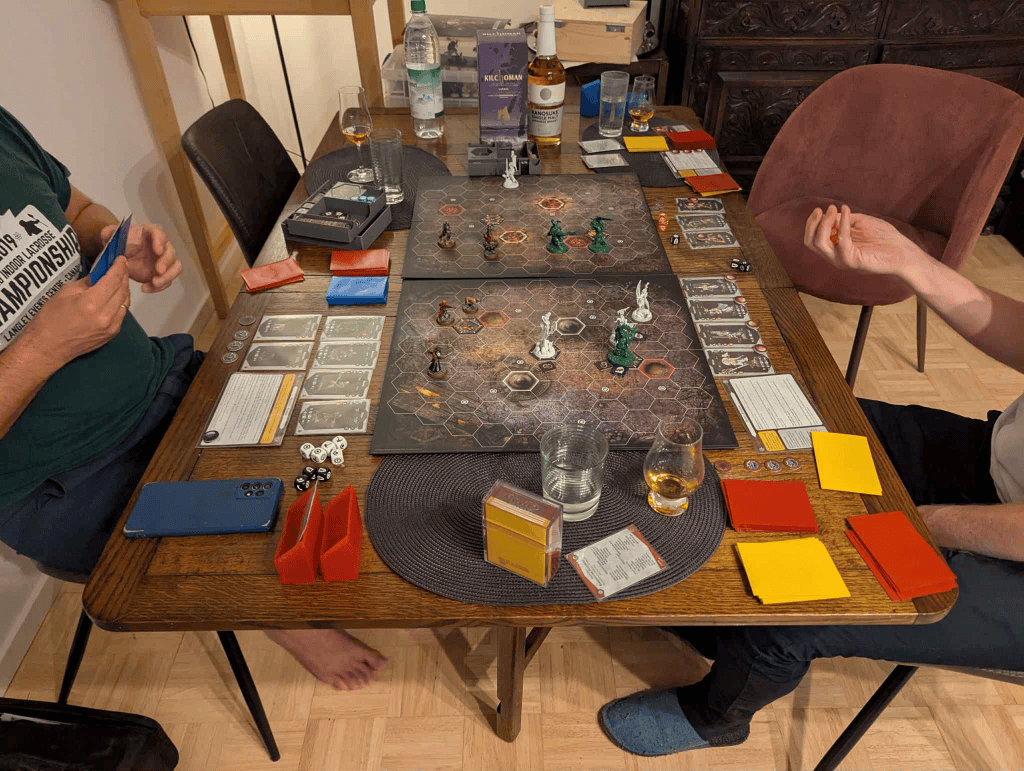
Playing with your local scene, going to your weekly game nights, and practicing against the people you play most often is a great way to prep. It can be a double edged sword, as many of those people might be going to the same event you are and possibly you don’t want to reveal too much about your strategy ahead of time. That said, I always want to promote in person gaming in your home town, and practice is practice. If it’s a larger event aside from a store tourney, you can often use ‘team names’ in Best Coast Pairings to prevent you from being matched up in the first round with the people you came with, lessening this concern. If you make good enough friends with your locals, they can also provide you better feedback over multiple iterations of the deck and multiple reps.
I wrote at length about the benefits of playing, even casually, with locals on a consistent basis. Getting reps in with anything against anything is still valuable, even if it’s not intentional tournament prep.
Participate in Other Events
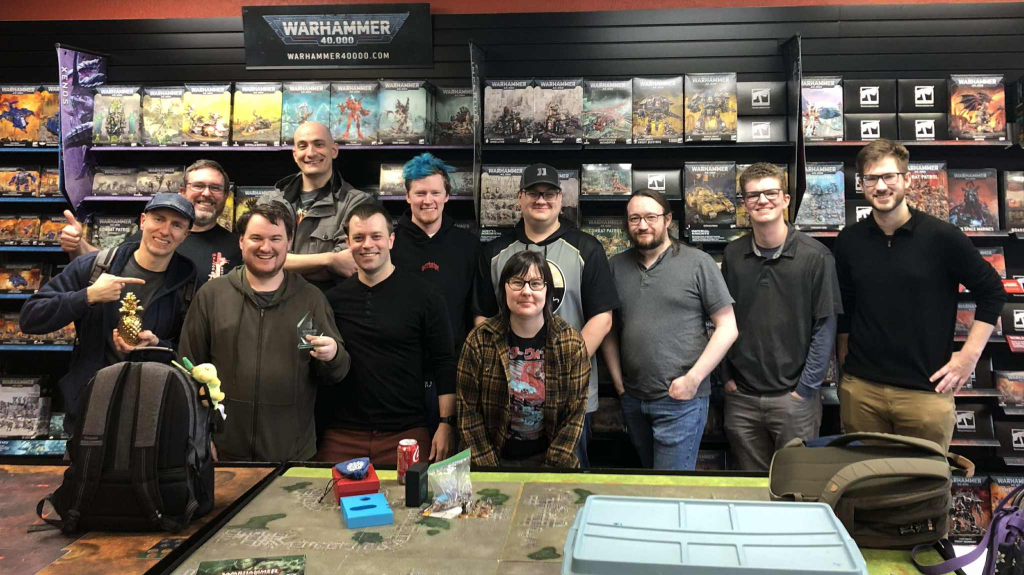
Say you’re prepping for a Grand Clash or other ‘big’ tournament. If you’re able, try and attend some smaller things beforehand, or even organize a one day three-rounder in your home store or garage to get some ‘real’ tournament experience. Playing your friends on Thursday night is great, but live tournament practice with time pressure and facing what is presumably the best your opponents have to offer will be the best practice for your target event down the line. It could also expose you to different opponents than you’re used to seeing, broaden your experience, and make whatever you run into at the big event more likely to be something you’ve seen before. It’s never fun to have your first encounter with a warband or Rivals deck to be at a tournament when it really counts (I have had this happen before).
Play Online
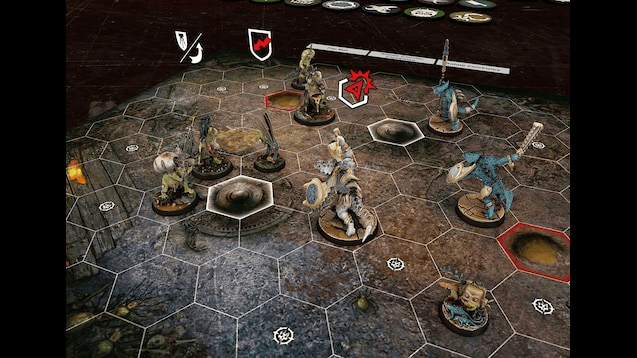
If you get the opportunity to play on Vassal or on Tabletop Simulator (or even webcam or some other method), it’s a great way to cast a broad net and play against more people with more varied experience and background than you otherwise would find at home. Some of the best players in the world are Vassal regulars, and as Derek, the Captain of Team Canada likes to say ‘Mithril sharpens Mithril’. You want to be the best? Play the best and see how you fare. Additionally, with the ability to play with anybody across the globe, you can probably find a game at any time or day that works for you so you don’t have to wait for your next club night.
Focus on Your Most Likely Matchups

If you have a limited amount of time and can’t play multiple rounds against every warband out there, try to get a read on ‘the meta’ and what you expect to see at your event. If you can only play ten games to prepare for your tourney, try to make most of those games be against whatever the top threats are. Look up who has won recent events, and keep an ear out for whatever the community tends to think is strongest at that time. Even if you think you have the secret sauce nobody is expecting, you can be pretty sure several people will be coming to your event with the ‘good stuff’, and you want to be best prepared to fight it. Otherwise, you risk ending up like me when I found myself having the first time I played against Ephilim be at the Tacoma Open… twice. Even if you are also bringing that ‘best’ thing, you need to be prepared for the mirror match.
As an aside, in a mirror match your deck and your opponents’ will likely look quite similar, so focus on the asymmetrical components where you can. If you both took the same rivals deck, the same warband, or both, leveraging how you can score your differences or block them from getting the ‘same’ things will be the decider. Fail to do that and it’s just up to luck of dice or card order. In some senses mirror matches are easier mentally because you have less to ‘focus on’, while in others they are harder because you are both directly attempting to do the same things rather than racing to see who can finish their different goals faster.
If you’re curious about “What’s good right now”, you may enjoy sifting through the win rates and deck pairing information over on the Nemesis Statistics Project and filtering by the most recent meta dates, and perhaps even selecting ‘tournament only’ for your data.
Refine Your Deck Through Repetition
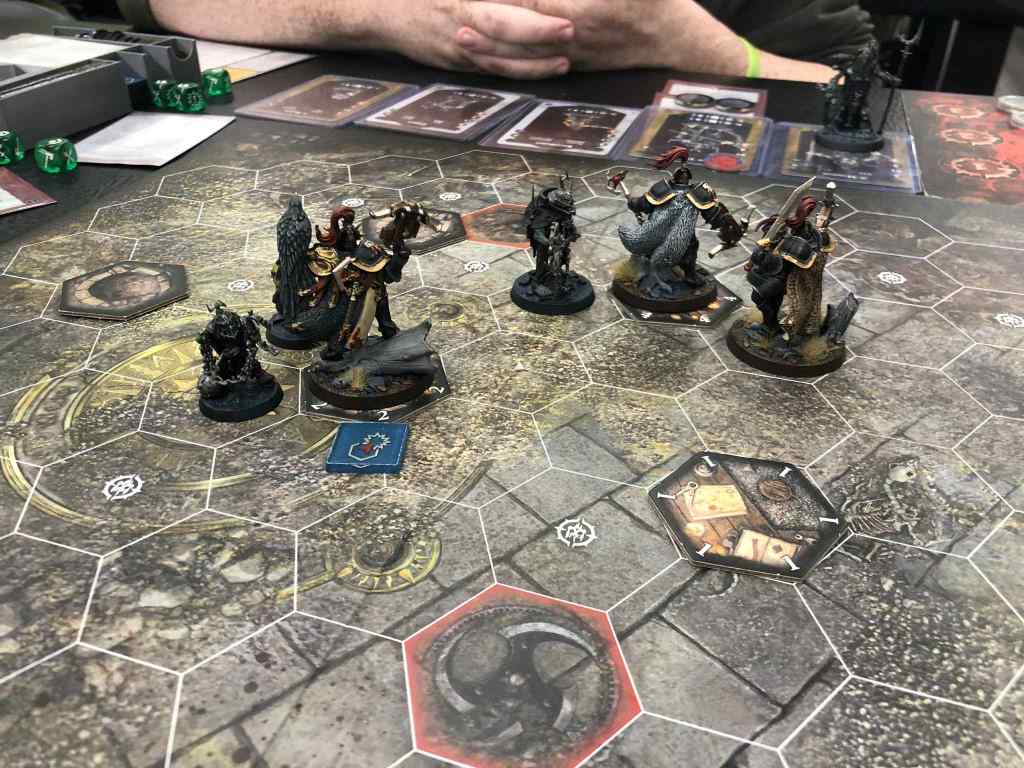
When you’re playing your games, there’s certainly value in keeping things stable so you can really learn what’s in there and what to expect from your next card draw. That said, there’s always the potential that the deck could be improved. If you run a given objective for five or ten games and rarely score it, maybe you need to replace it with something else. If you draw a reaction gambit and the reaction window doesn’t happen that often, if an upgrade never feels worth the glory cost, etc, you can use that information to make better deck decisions. You thought it was going to be good, but now you can learn what needs to be changed. Practice is important, but continual improvement should be the goal, at least up to a point.
Ask for Decklist Feedback

Often times, a deck we have built feels personal to us and we can justify many of the cards included if somebody doesn’t agree with a choice we made. That might make us more attached to the deck than we should be, and if your goal is to win your event, it’s a good idea to find a trusted player who can look through it for you and give some advice. Pick somebody who you consider a good player, but ideally won’t also be at the event you’re attending so you won’t be tipping your hand. Maybe even have them play the deck a few times so that they can give feedback from experience rather than just theory. You don’t necessarily have to accept all their edits, but they might see something you don’t and have some valuable input.
Another wrinkle in this plan is that you could have the trusted player pilot your deck while you try to play against it. This lets them get a feel for how it works while also letting you see it from another angle. Learning how to beat your own deck can show you weaknesses you might not have picked up on, and can point you towards other ways to improve it. It also might teach you what to watch out for if your opponent tries anything you learned during this kind of practice.
Be OK with Losing and Learn From It

When you’re doing your practice games, your record doesn’t count. You can lose five straight as long as you learn from the experience. You lose too many times, and maybe you need to re-evaluate if the warband and/or deck is the right call, but during these practice games don’t let a loss or two stress you out. As long as you can get a takeaway from each game, learn more to make a card swap decision, better inform your fighter placement next time, etc you’re still benefitting. You only need to win when it matters – during the event.
Some players even intentionally work their practice games from a ‘worst case’ scenario; let them choose and orient the board and also their pick of treasure spots, you place your fighter first, let them make the decision on who goes first, and learn how to adapt to a bad starting position. If you manage to win games under this kind of ‘duress’, you’ll be more comfortable under pressure and when your back is against the wall during the real thing. Being OK with losing in practice means that you’ll probably be more comfortable if you drop a game in a best-of-three event; trust in yourself and your prep to get you those other two games. An easy win where you don’t learn much is actually less good for your prep than a hard loss where you can take something to improve on. In a similar vein, don’t stress about conceding during a practice game if you don’t think there’s much left to learn and you’re already behind by a ton – you’ll save time and can get another game in faster if you re-rack partway through.
A similar idea can be found in an written by Mark from Path to Glory in his Bacon’s Bits series titled Analyzing Your Play After the Game if you’d like a deeper dive on how to assess what went wrong and how to improve based on your results. I know the overlap between competitive Underworlds and competitive Jiu-Jitsu is incredibly small (maybe like, just me), but I do want to include this quote by John Danaher, a top-flight coach. He says:
“Losing is never a pleasant thing, but losing and not knowing why is completely intolerable since it takes away the value of losing as a learning experience.”
In short, it’s ok to lose, as long as you can figure out why, and use that to improve. If you throw your hands up in the air and say ‘oh well, I’ll get ’em next time’ (or as I sometimes say ‘dice do be dice’) you rob yourself of an opportunity to hone yourself.
Observe Your Betters
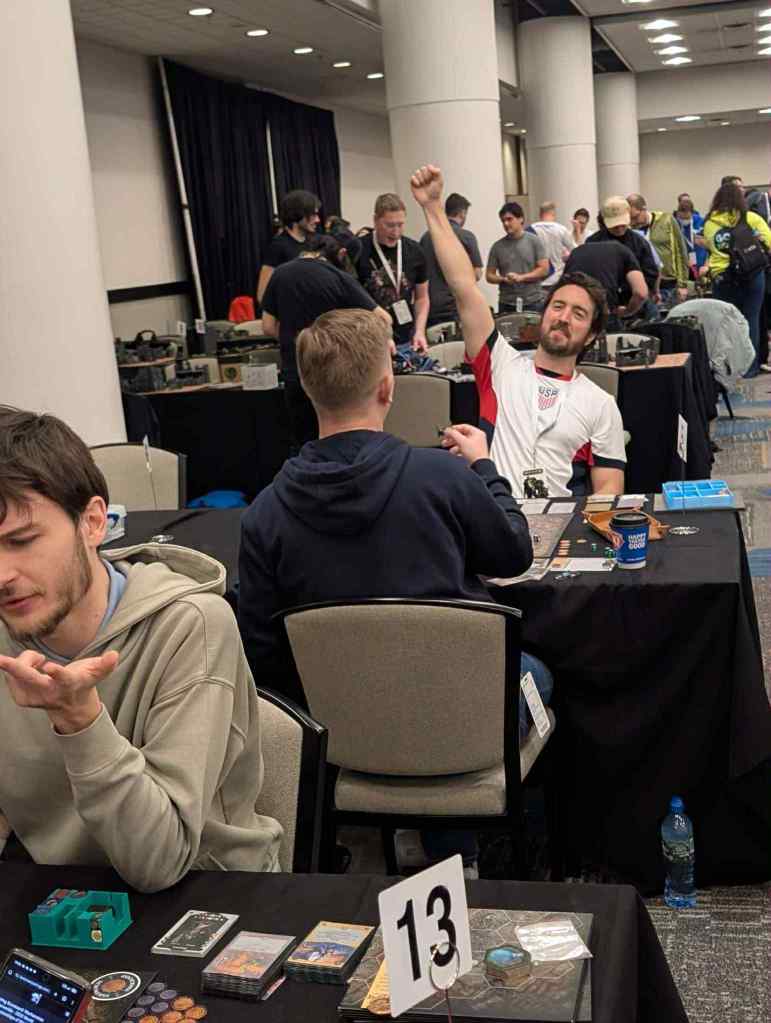
Let’s face it, you might be a decent competitive player but there’s always somebody out there better than you. Even if you’ve won a Grand Clash or two (and in which case, uh, why are you listening to me?), you can still benefit from watching other good players play the game. Watch YouTube videos of battle reports or live play. Find old tournament footage and watch the games. Spectate a vassal match. Read tournament writeups, listen to podcasts/interviews from winners, especially if they are using your warband or deck pairing. These people have been where you want to go, and being a student of the game will help you find new things you didn’t know you didn’t know.
Practice With a Timer
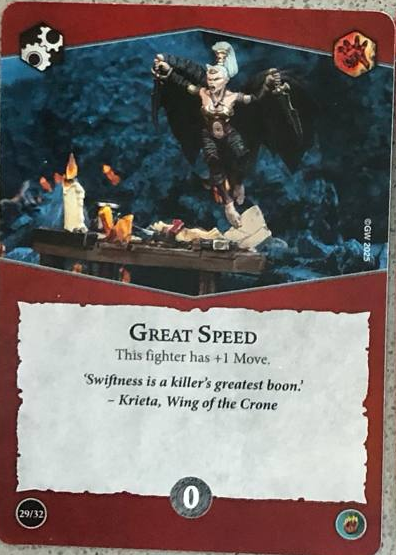
If your competition pack has been published, or the TO of your event is reachable, you should know beforehand how long rounds are supposed to last. The last thing you want to experience is finding that you don’t have time to go to a game 3, or not being able to finish out a game you thought you were going to win with a big round 3 end phase score because you ran out of time to finish. It takes two to tango, and you can’t necessarily control how quickly your opponent plays, but you can control yourself. If you know you need to finish your best of 3 in 90 minutes, you need to strive ahead of time to be able to crank through a game in 30-45 minutes or less. Practicing with a timer will let you know how often you run over and can encourage you to tighten up your play and speed up your decision making time. Some things are easy targets for getting faster – your board placement, fighter placement, and mulligan decisions should be fast if you know your deck and have done intelligent practice beforehand. Even if you aren’t pressed for time, it’s still the courteous thing to do for your opponent to play quickly. Plus, matches that go to a tie because they ran long can really hurt you in the final placements and your next round’s pairings depending on the scoring format and tiebreakers the event is using.
Give Your Warband a Rivals Test Drive

This is an idea I actually got from the What the Hex podcast guys out of Madison, Wisconsin and it’s a really neat idea. Your Nemesis deck consists of two rivals decks. Challenge yourself to play a few rivals games with each half of your Nemesis pairing to see if there are any cards you’ve overlooked.
You picked those decks for Nemesis and chose what cards you thought were the best fit, but some of them didn’t make the cut. You’ve made a few card swaps along the way, but a good 20-50% of that Rivals deck has never been in play for you during this process. Sometime before your event, try giving the entire Rivals deck a spin, forcing you to play those cards you cut.
For all you know a handful of them might deserve a second look, and you’ll get the live-play experience with them to have a more realistic assessment. There are also often several cards ‘on the bubble that you were considering taking along, and now they’ll get the chance for tryouts to make the team so to speak. Even if it doesn’t convince you to make any card substitutions, you now have more confidence that your deck is solid and will have less waffling doubt as you approach your list submission date.
Other Advice

I’m by no means the authority on competitive play, as I have said, and plenty of other sources (namely What the Hex, Battle Mallet, and Path to Glory, Underworlds Underground (If you just listen to Thomas instead of me) as well as the Vassal Discord) are where you should look to advance yourself beyond what I’ve provided in this Contender Series. I do have two last parting gifts for you though, which provide a scattering of helpful hints you might find useful as your prep yourself for the big event. The now defunct Wigglehammer website posted an old but still good ‘new player crash course’ which you can use for advice during play – just be sure to note the rules have changed a bit since then. Secondly, the Critical Focus Channel Youtube has some Quick Tips videos as part of a series that you can learn from as well. You can also dip your toes into the mindgame of bluffing and misleading by reading this article on Bacon’s Bits about the value of counter play deception.
Wrap

The main point is – if you want to get better, just play more games, any type will do. I will eventually write up more concept articles about things like in-game analysis like how to choose an optimal activation, the math on a given type of Objective, etc, but those can wait. They will by necessity be dependent on some era-specific rules for when they’re written and won’t necessarily fit the ‘timeless’ aspect this series was intended to capture, nor will they be as beginner-focused which was my main intent. Not to mention the fact that I have plenty of growth to do competitively before I’m qualified to speak on those topics anyway! In the meantime, I hope this series was helpful to you and that you’re able to walk into a tournament hall with more confidence.
Now get out there and Spend some Glory – you’re a contender!





Leave a Reply