
Today on the Spent Glory’s New Player Series, we are going to cover attending your first Grand Clash/Larger tournament. I absolutely and enthusiastically recommend everyone try out a Grand Clash, no matter your competitive skill or experience, and the hope is that today’s article will make that a little easier for those of you who haven’t taken the dive.
Other Tournament Related Articles
Participating in Your First Tournament
Counterplay Series
Contender Series
Playing Well with Others: How to Become a More Courteous Opponent
A Discussion on Tournament Tiebreakers
How to Run a Local Tournament
Prize Support and You
Why Play in Grand Clashes?

Every person attending a Grand Clash likely has slightly different reasons to register, but there are many of them no matter who you are. The first and most obvious is to ‘test your skill’ against a high level of competition – some of the best players come out to these things, and they bring their hardest decks to them. If you like a challenge, a Grand Clash is a great place to find one. For some, that even includes the hope of winning a ‘Golden Ticket’ and an invite to the World Championships of Warhammer – not every Grand Clash will have these on offer, but if your dream is making it to the big show, a Grand Clash is a great place to start.
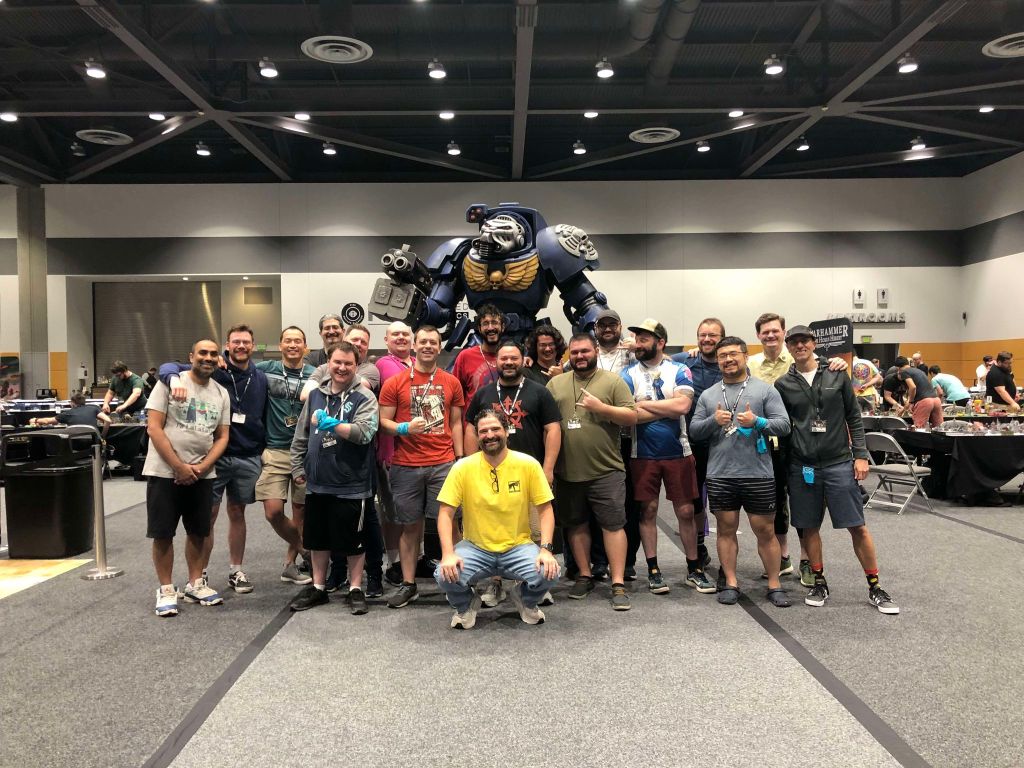
Outside of competitive striving, there still exist tons of good reasons to head to a Grand Clash, even if you have limited competitive experience in Underworlds. These bigger events are great excuses to travel and have fun in a new place. They are perfect locations for meeting new people with the same hobby as you, and the Underworlds community is tight-knit and full of great people. You should meet some! Grand Clashes are also great for making memories with your local friends as you travel together. They are a good place to check out awesome paint jobs on some of your favorite warbands or compete in the painting contest yourself. Many Grand Clashes have a vendor hall or merchandise room where you can pick up event-exclusive swag or products you couldn’t find easily elsewhere.
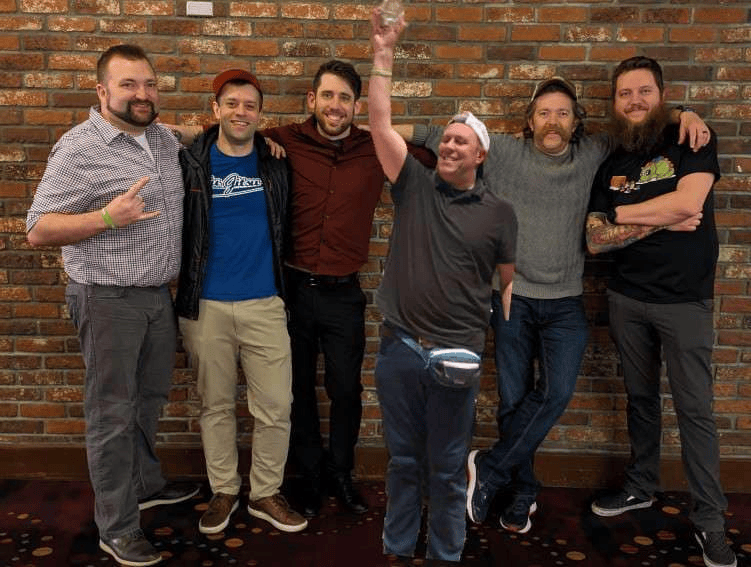
They’re also great for socializing outside of the bracket itself – you’ll often get the chance to go to dinner with these people, hang out in a hotel room, hit the town, or play other games. Socializing is good for you, and even if you lose every game all weekend, you’re sure to get something out of the experience. I have very rarely spoken to somebody who regretted coming to an Underworlds event – they’re nothing like the bad reputation you might expect out of a 40K or Magic: The Gathering event. These are good people who want you to have fun too.
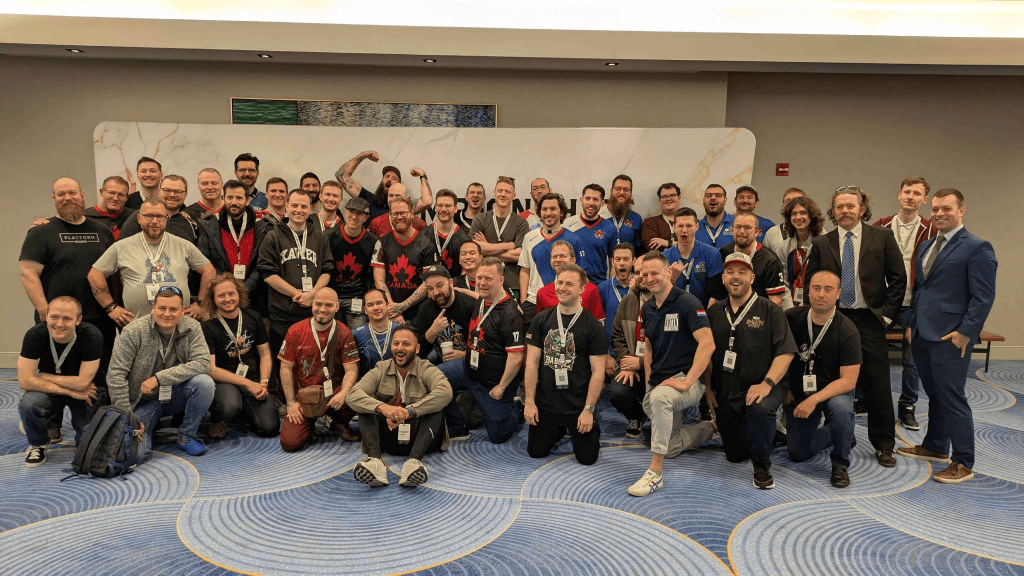
If you’d like to hear some of these same themes in a podcast format, here’s a panel discussion on Underworlds Underground following the 2024 Tacoma Open where four of us talk about why grand clashes are cool and why you should play in them.
What Should I Expect at a Grand Clash?
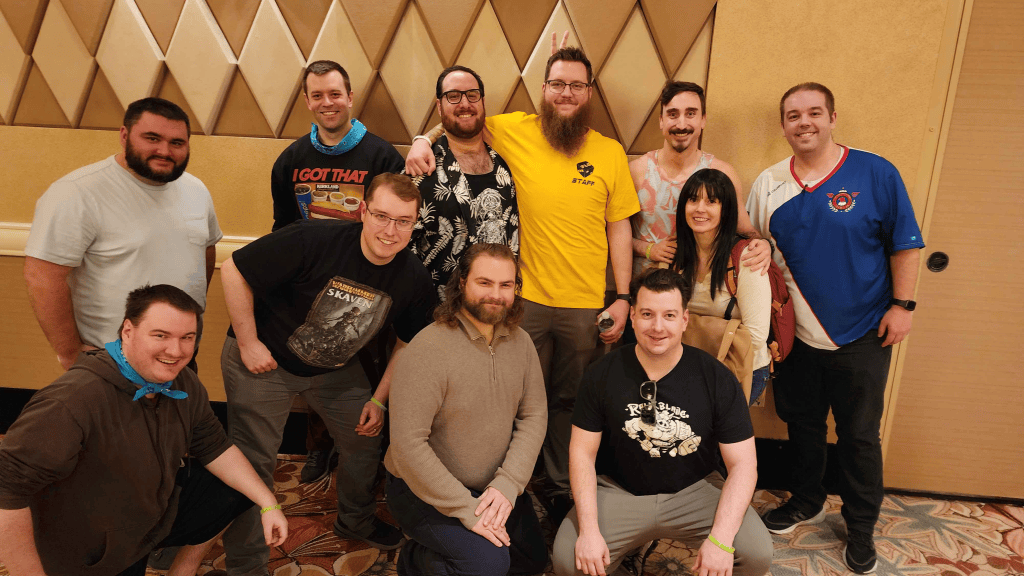
If you haven’t already, take a peek at the “What to Expect at Your First Tournament” article which covers organized play in general and will apply to any event you register for. All of the information in there will apply to Grand Clashes as well – so hydrate, be polite, and know your warband, all that rigamarole. After you’ve brushed up on that, let’s cover that makes a Grand Clash/Big Event different, and what to prepare for before you walk through those doors.
Here For a Good Time AND a Long Time
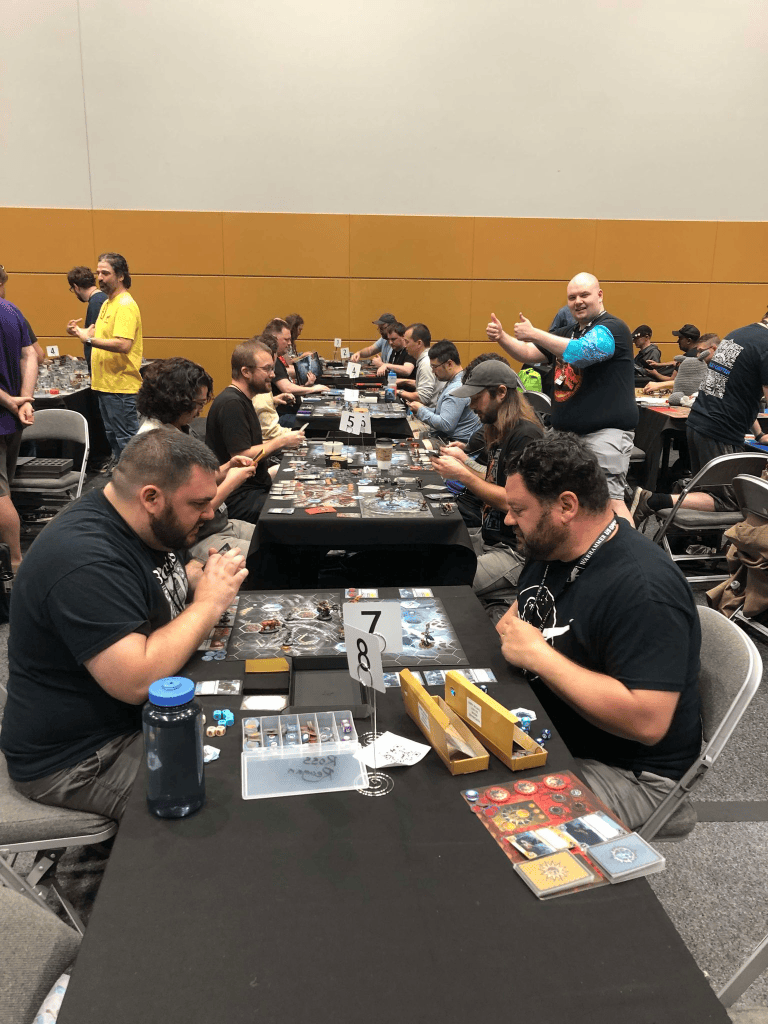
A normal store tournament in your local scene might run most of a day across a few rounds – 6-8 hours usually does the trick. At a Grand Clash, hoever, you’re likely in for a longer haul. They will either have more rounds, be playing a best of 3 format, play across multiple days, or all the above. That means you’ll have to account for a few extra considerations for multi-day events. Unless the event is right in your backyard, you might need to make hotel accommodations and travel plans. Many events have hotel blocks with group discounts if you reserve through the registration page which can save you a little money, get you near other gamers, and mean you only have to take an elevator to get to the venue. Other options might include getting a hotel nearby to save some money but with some more logistical issues – travel between your room and the event space for starters. At least WHU is a smaller game that’s easy to transport!
If you’re in it to win it, consider booking your hotel stay to begin a day early and give you time to settle in and get your bearings, especially if you’re in a new time zone. It can be stressful enough at a Grand Clash without having to figure out hotel check-in and your luggage during the lunch break. If you’re in it for having a good time (you should be), consider reserving the hotel through the night after the event/getting a flight out the next day instead of that evening so you don’t have to leave early. Some of the best fun is to be had after the trophy is awarded and everybody can go get dinner or hit the town without any competitive tension. Plus, you can celebrate and get to know these folks better off the table.
Bring Friends
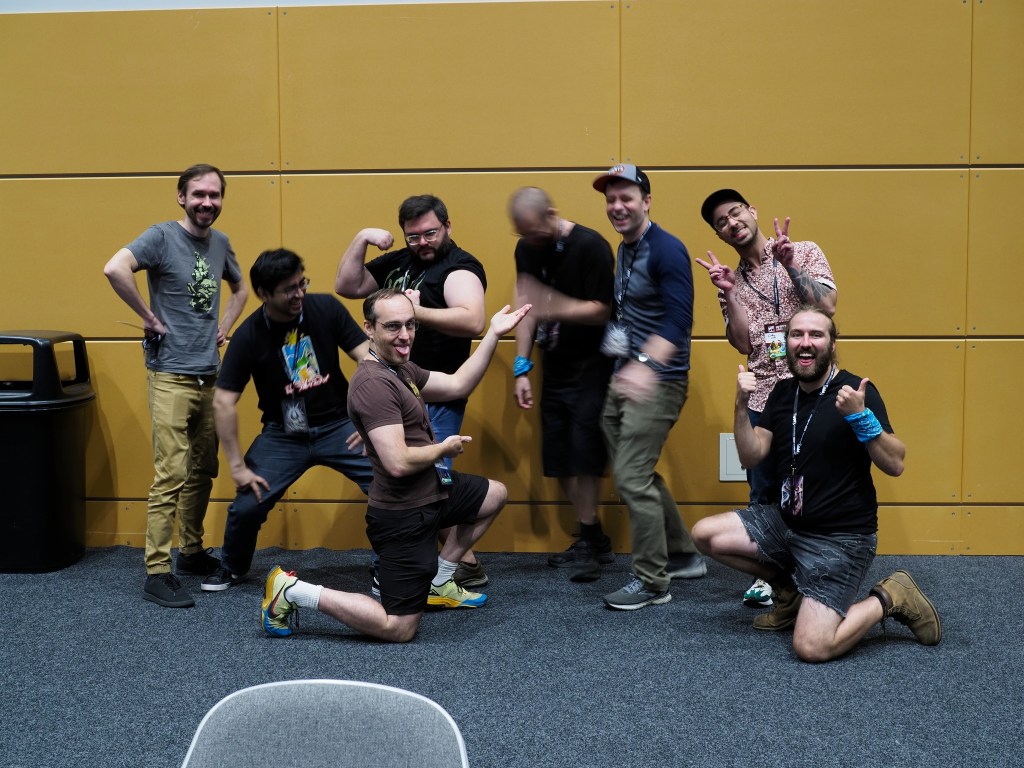
If at all possible, travel with a teammate. Not only does this up your chances of bringing the trophy back home to your local club, but it’s more fun and companionable to have somebody to discuss and practice with in the hotel room, somebody to cheer on, somebody to root for you. Andrew and I traveling together to LVO this year is legitimately the main reason why I was able to do as well as I did; he helped me prep for the semifinals in a match I probably would have otherwise lost. Derek discussed this in his ‘how to build your community’ article from way back at the founding of Spent Glory – it builds your local team’s bond and makes for lifelong friends. Plus, it could save you some money if you split a hotel, and makes for the best stories as you hang out in the after-hours.
Be Chill
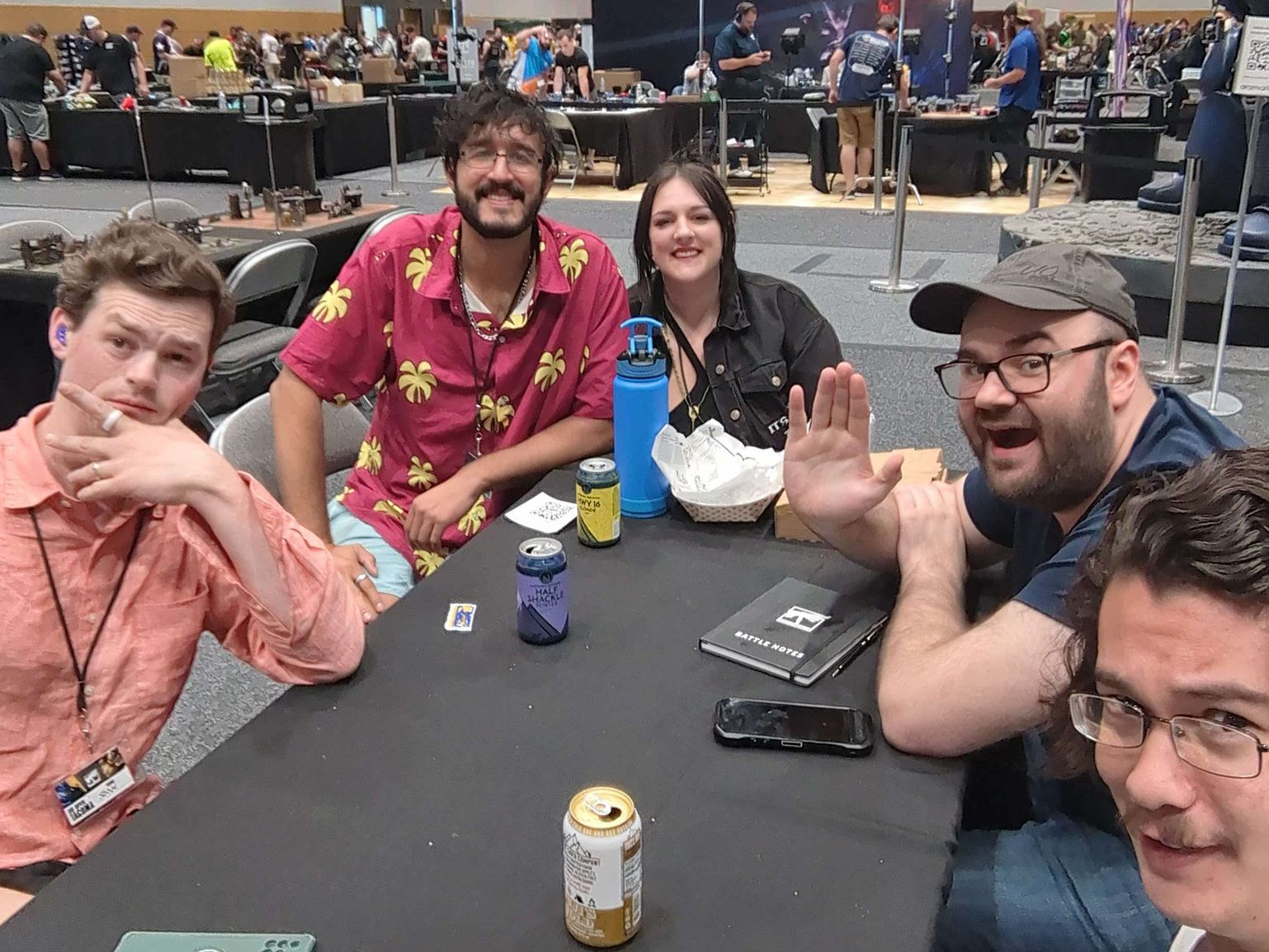
I covered this in much more detail in Playing Well with Others: How to Become a More Courteous Opponent, but it bears repeating. Most everybody at a Grand Clash is a good opponent to face in my experience. Cheating is excessively rare in Underworlds. People are generally very welcoming and out to have a good time, not just to win at all costs. You should endeavor to do that too! When you sit down at the table with your opponent, explain your warband if they haven’t become familiar with it, establish rules for dice, offer to let your opponent cut your deck, and don’t touch their toys without permission.
Understand Your Event’s Score Tracker

At local tournaments that I run, I usually just write down people’s scores on a sheet of paper and manually handle matchups round to round. This may or may not be your local scene’s method, but it is almost never the case at larger events. Imagine hand-scoring dozens of matches across several rounds! You’d almost certainly make scoring mistakes, screw somebody out of a chance at their appropriate standings, ruin some tiebreaker or other, and take forever between rounds calculating the next set of pairings. That means that effectively every Grand Clash is going to use some kind of score tracking software, and it might require participation on your part.
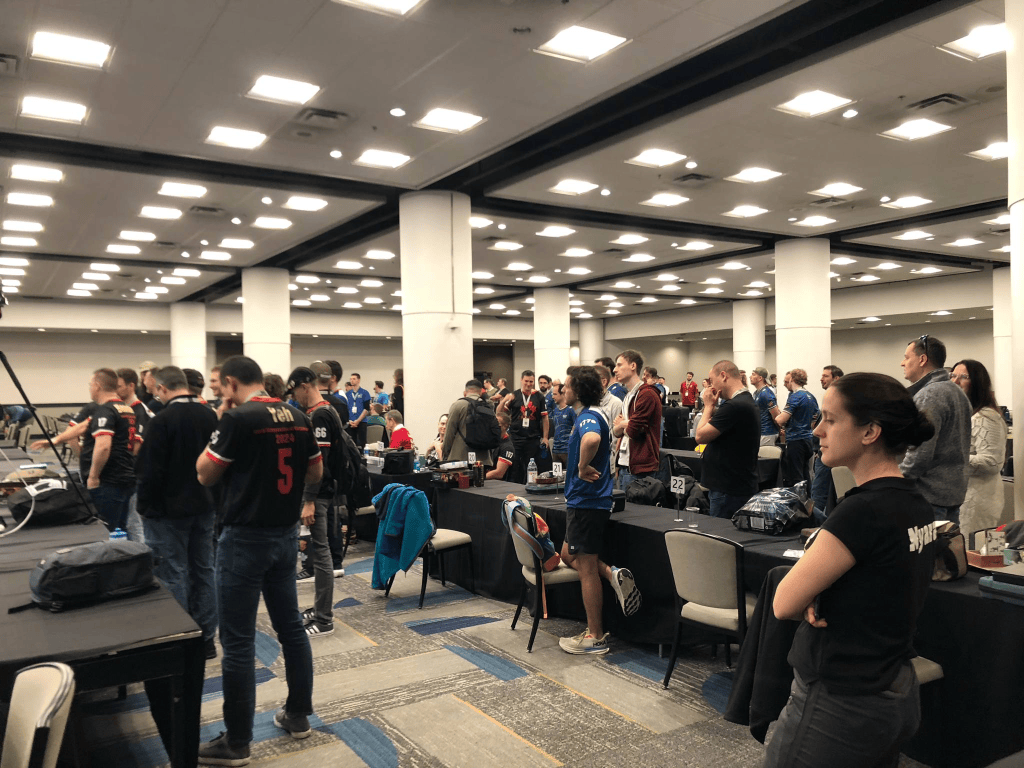
Best Coast Pairings, or BCP as its commonly known, is the most frequently used of these programs in Underworlds. Here’s a guide from the app itself about how to use it.
Other events might use Shadeglass.eu, or any number of other apps or spreadsheets. Whatever your event uses, you should get familiar with it before hitting the tables so that it’s less stress and panic to submit your scores, and one less thing for you to worry about on the big day. Plus, your TO will appreciate you, and they deserve everything we can do for them.
Player’s Packet
Speaking of doing everything you can for your TO, read the player’s packet. They spent a lot of time writing it. Effectively every Grand Clash of big event is going to have a couple of pages that every competitor is expected to read ahead of time that will cover the rules for the event, the schedule, and so forth. If you didn’t read the packet, you risk disqualification at worst if you bring something banned, and even if not you might have prepared something suboptimal based on the format – knowing the tiebreakers can make or break your final standings. Here’s a link to a tiebreakers article I wrote for TOs, but it’s a good read for competitors as well.
Rules
Know the FaR, Errata, FAQ and any associated rules changes in the leadup to your event. Many events have a prespecified ‘rules cutoff’ – any rules updates that drop after this date (often 1-2 weeks prior to the start of the event) will not be in effect for the competition. This is both to give players adequate time to prepare with any new rules, and also to prevent a disaster scenario of ‘I just flew out here and now the models/deck I brought with me are illegal’.
Wrap
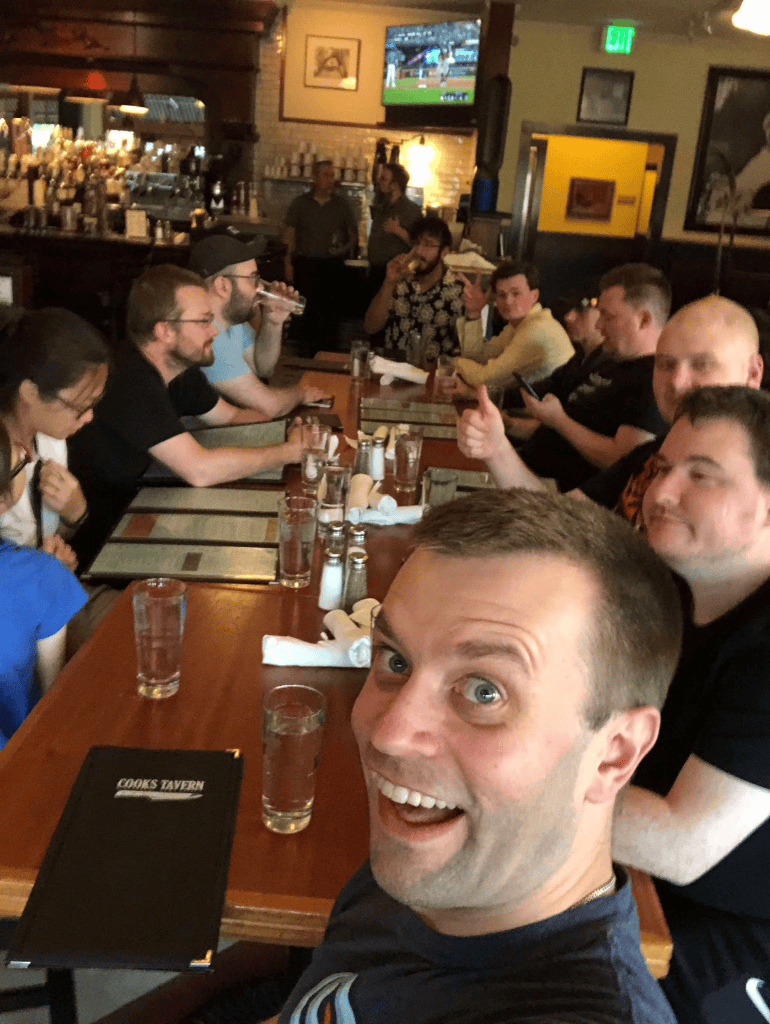
That’s that! Hopefully I have helped a few of you feel a little more confident and comfortable registering for a Grand Clash or large tournament sometime in the future. Again, I can’t recommend it strongly enough; tournament play is safe, fun, and appropriate for everyone. EVERYONE! Let me know if you want to talk through a list or strategy, or just need a little help mustering the gumption to click that registration link by emailing me at SpentGlory@gmail.com and until next time – enjoy spending that glory!






Leave a Reply