Today the Contender Series will continue with a discussion on warbands with the Big Boys composition and how best to use them in your games in a competitive sense. The Contender series is intended to provide tips and tricks for newer players who are setting out to better understand the competitive aspects of the game, as well as longtime players who want to increase their odds of winning in a tournament setting. As such, I will be covering this information with a more simplified view and try as best as I can to keep the series ‘evergreen’ – I will mention specific warbands and cards/decks to illustrate a point but will generally try to use more genericized concepts to keep the information relevant for anything that is released in the future as the meta shifts and things may or may not ‘rotate out’ of competitive validity.
If you are interested in listening to a discussion on Big Boy warbands along with other warband types as well as warband and deck archetypes such as Flex, Strike etc, you can listen to this Underworlds Underground Podcast episode.
Articles in This Series:
Warband Selection
Choosing a Deck/Pairing
Deckbuilding Overview
Evaluating Surge Objective Cards
Evaluating End Phase Objective Cards
Evaluating Ploys
Evaluating Upgrades
Deckbuilding: How Many Cards?
Opening Hand and The Mulligan
Board Choice and Orientation
Feature Token Placement
Fighter Placement
So You Won the Roll-Off – Do You Choose First or Second?
Practice
Event Format Considerations
Elites
Big Boys
Hordes (Coming Soon!)
Check out other tournament related articles:
Counterplay Series
Participating in Your First Tournament
What to Expect at your First Grand Clash
How to Run a Local Tournament
Building Your First Nemesis Deck
Time Management and Playing Quickly
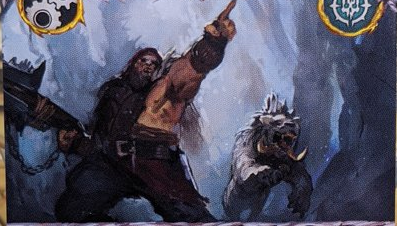
Let’s take a look at what exactly Big Boy Warbands are, followed by the general playstyle approach to Big Boys and how best to use them on the table. After that, we will check out what cards you may want to consider taking in your Nemesis deck when playing a BB Warband, which to avoid, and why. Finally, we’ll conclude with some tips on how to play against them, so if you find yourself staring down a scary monster and their little friends you’ll know how best to keep them from doing what they want to do.
General Description of Big Boy Warbands
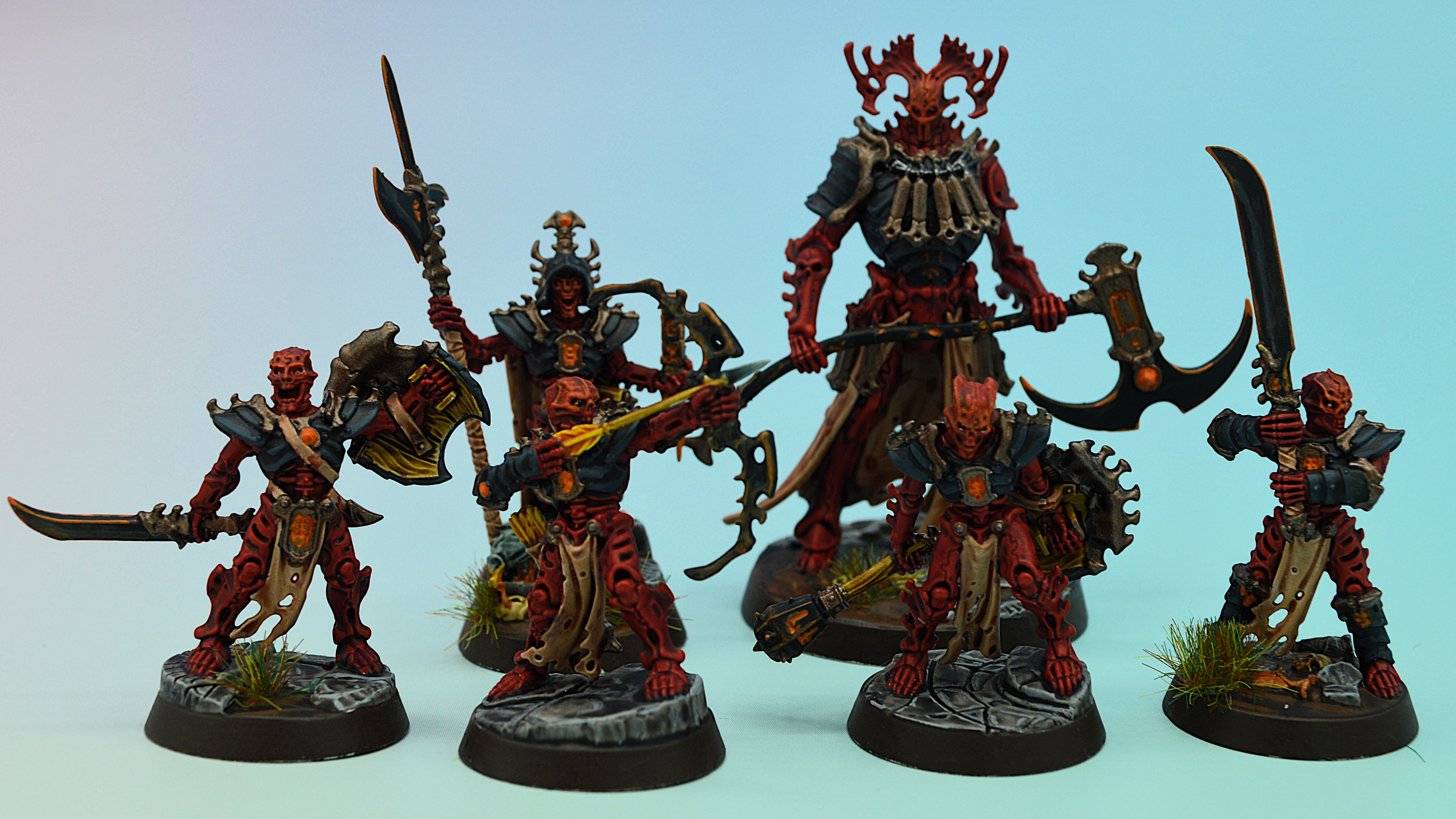
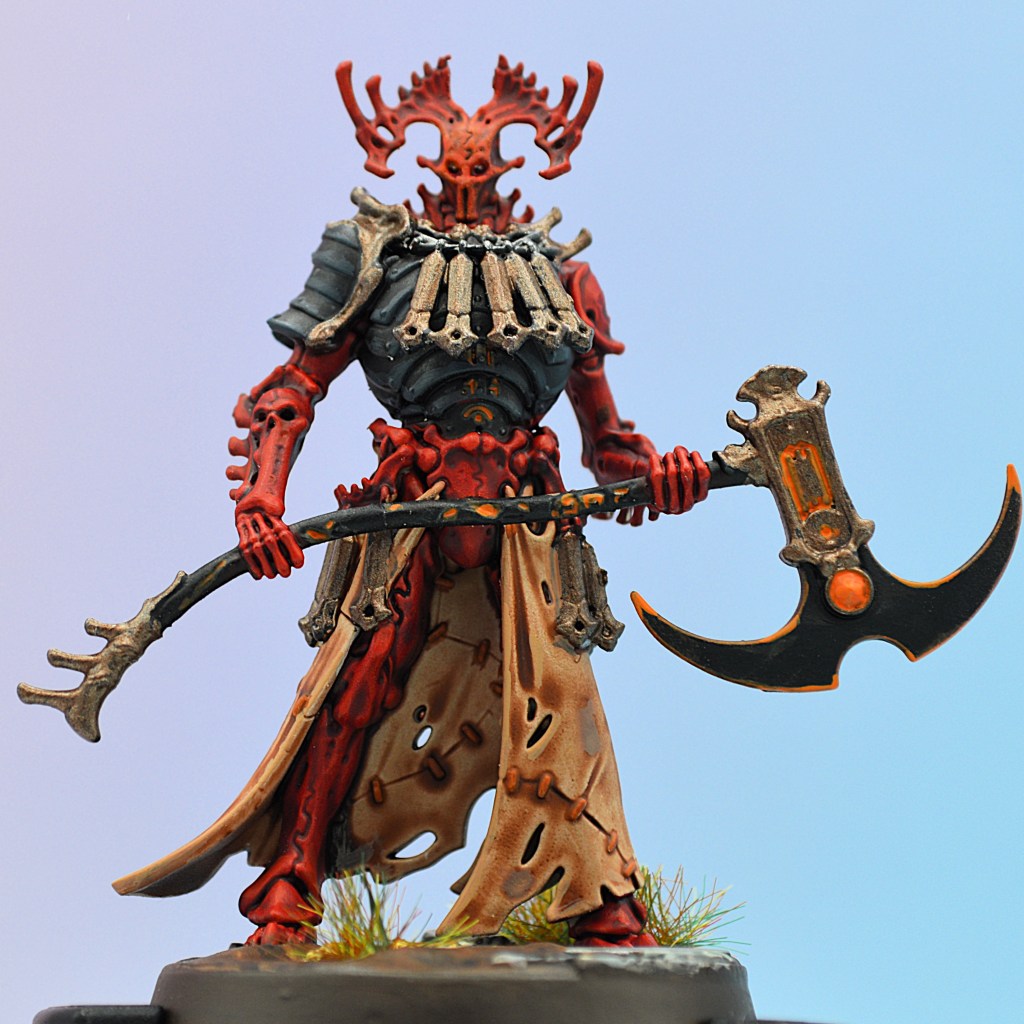
Big Boy Warbands are those who have one centerpiece model and 3-6 smaller models, often runemarked as minions. The Big Boy themself is generally a strong stat-block that can go toe to toe with the best model in any warband and will be responsible for doing most of the work for you in a fight. Your bounty breakdown is in most cases 3-4 for the big leader 0-1 bounty for their friends. They tend to do best in Flex or Take and Hold gameplans (and approximations of the same in Mastery decks), with a few niche applications for Strike (mostly just Mollog right now). Since they’re often less-strong candidates for new players to learn the game with, I wanted to turn a quick tutorial eye to their use for this series.
How to Play Big Boys Optimally
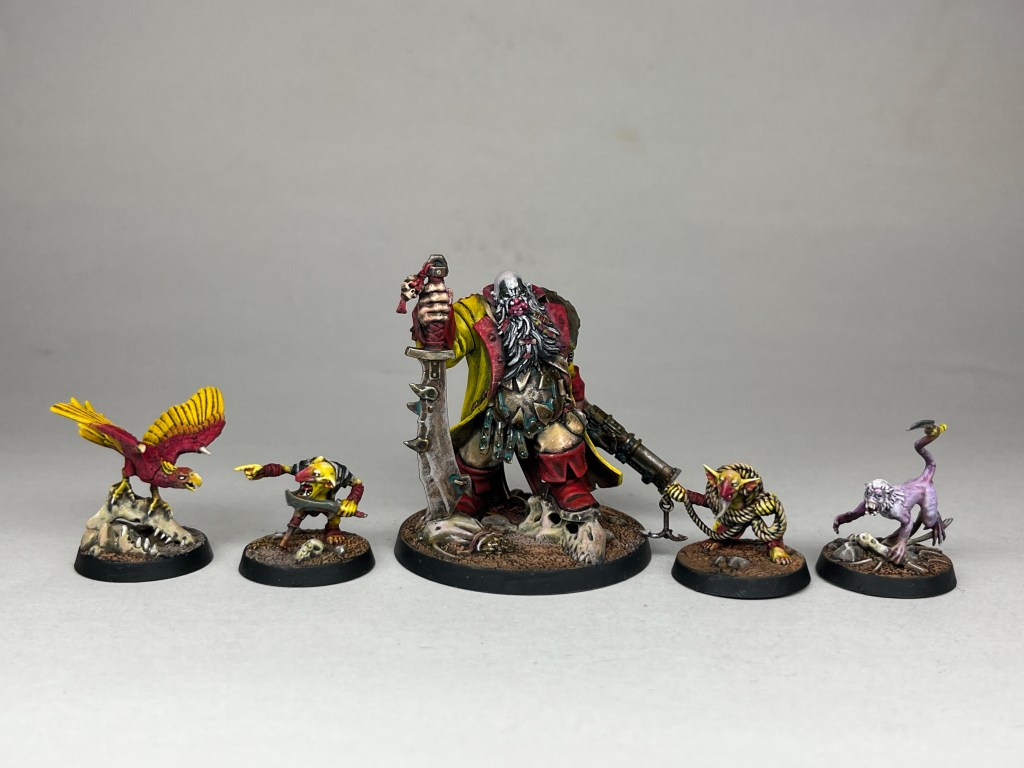
Generally speaking, if you want to win with Big Boys you need to figure out how to maximize the efficiency of your big boy themself, and will probably want to avoid a pure Strike gameplan. They have 1 good body, and at a minimum you’ll want to be able to make 2 activations with them per round to get good access to their stats. This means as perhaps the single most important thing to know for Big Boys is you should probably NOT take the charge action with your big boy, especially as the first activation in a round.
When getting into why Strike isn’t ideal, let’s talk about the “Charged Out” rule! The rulebook states that once a fighter has a charge token they cannot ever charge again that round and cannot take certain core ability actions (move attack, guard) until every fighter in their warband has a charge token. For most warband archetypes, this means once you charge with a fighter, they’re done contributing for the round. IF one of those fighters is your big boy, you’ll need to rely on minions for the rest of the round unless you have ways to slap charge tokens on in the power step (or are out of minions).
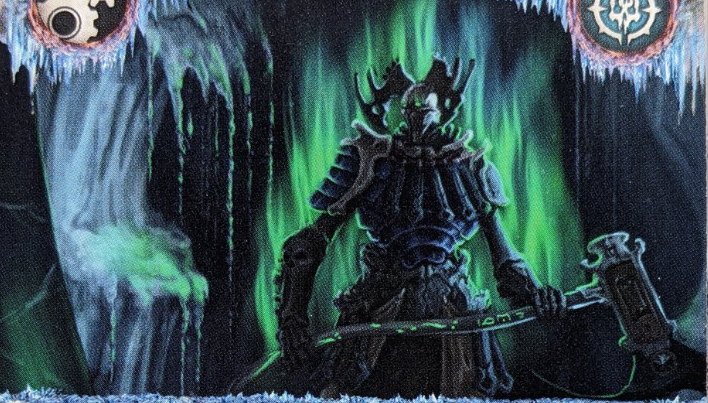
There is one notable exception: Mollog’s Mob has a special niche to play Strike – they only have 4 fighters, one of which is always considered to have a charge token. This allows you to charge with Mollog and still have a fourth activation to use him again. If you resurrect a minion, they’ll also come back with a charge token, so you won’t be hindered in that efficiency. Additionally, another reason it’s often bad to charge your leader with big boy warbands is it leaves them as a sitting duck, liable to be piled on. This is actually helpful to Mollog, who not only inspires his warband when he takes 4 damage (and the minions become quite dangerous if so), but he also can heal 1 point of damage each end phase. While The Headsmen’s Curse is also a 4 fighter Big Boy team, it does not have those same advantages and thus takes a much higher risk-load when playing the ABC/Always Be Charging style.
Flex playstyles are probably the best approach for most Big Boy strategies. Many flex cards require you to hold tokens with your fighters and also make attacks, consider the location/orientation of multiple pieces, and want move tokens. A typical conundrum a Big Boy presents to the enemy is “do you want to fight my leader, thus leaving my minions to run around and score cards, or do you want to try and fight my minions, thus leaving you open to getting walloped by my big boy?” You can’t be sure which one a given opponent will pick, and across a tournament you’ll likely run into both. Flex allows you to score regardless of what they choose, and may enjoy doing a little bit of both.
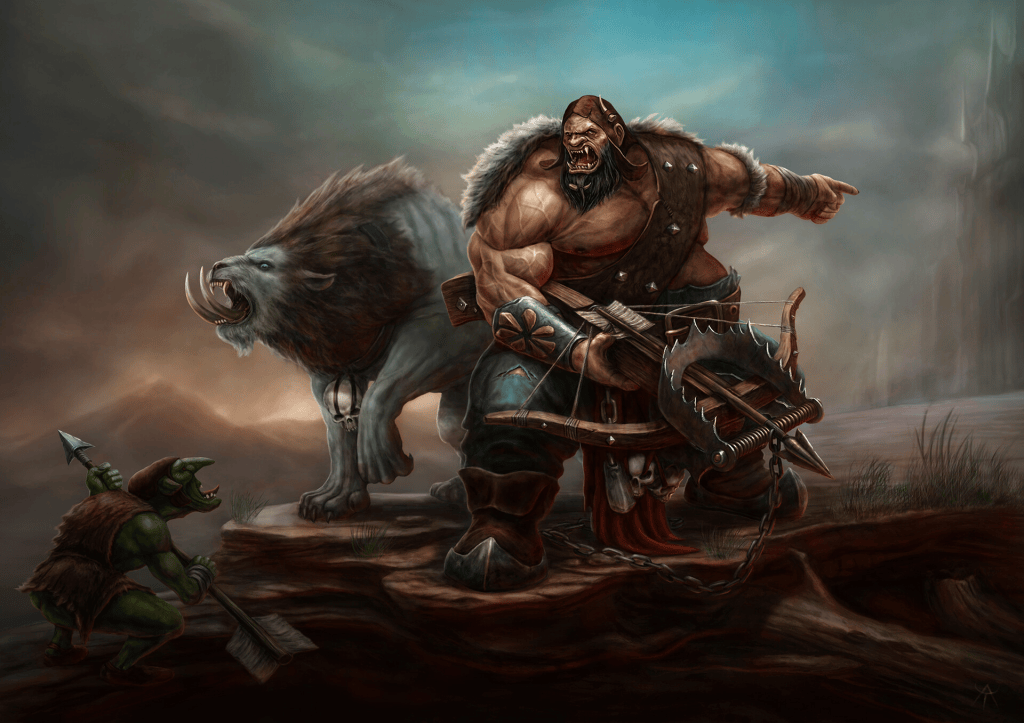
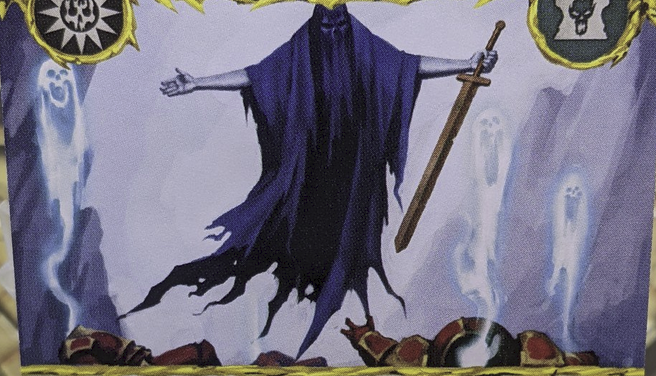
Pure Take and Hold is an option for many Big Boys, provided their minions can operate with move efficiency (such as with Kainan’s Reapers) or have pushes/guard available (such as with Blackpowder’s Buccaneers or Horthgorn’s Mantrappers to an extent). There’s also a niece piece of hold tech in Headsmen’s Curse; they have a core ability to teleport to any empty hex. This can allow you to nightmare shadow-step to a treasure anywhere on the board once a game, and can secure you a big end phase bomb in a pinch.
If playing Big Boy Take and Hold, you do have to beware of the minions being targeted and slain early, as they’re often quite fragile and your big boy won’t be able to protect all of them. You may end up in a scenario where your big boy is trying to hold treasure without the help of their minions, and will be limited in your end phase scoring. It does, however, give you the ability to play a more passive game and let minions score in your territory while your big boy holds a central bulwark position, and can be daunting for an opponent to choose between trying to run past them or trying to out-passive you.
Often you will need to ‘focus down’ a single fighter. Unless your cards ask you specifically to spread the damage out or target fighters in certain positions, you’ll benefit by choosing somebody you think you can take off the table and commit most of your damage to that fighter early on. Identify which is the biggest threat to you (a fighter with cleave when you’re a shield big boy, or a fighter with 3 damage) and try to take them down first. If you think you can, their leader is often a great choice as it will give up more bounty and is often their most potent offensive threat, as well as potentially having some objectives tied to their performance.
When applying Upgrades, you have a general benefit with Big Boys. one of your fighters is substantially stronger, and will likely be activated multiple times and live much longer, so the upgrades may be disproportionately effective for them. +1 attack dice is better on a fighter who does lots of damage, grievous is better on a fighter who already is likely to hit, and so on. Your big boy will also likely live longer than their counterparts and thus will have more opportunities to benefit from those cards. Standard and especially Horde warbands have trouble accessing as much efficiency from one fighter and have more incentive to spread their upgrades around. As a result, your capacity to ‘Voltron’ a single fighter with a handful of high-cost upgrades while still seeing a good benefit is higher for Big Boys than any other type save for perhaps Elites.
What Cards Big Boys Favor
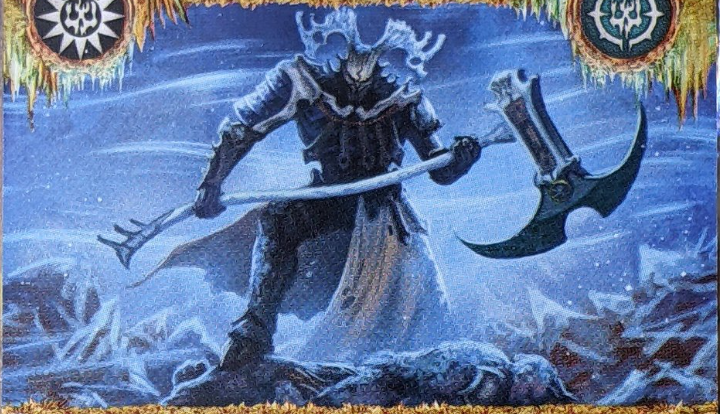
Cards that ask for a single fighter (even if it’s your leader) to do something multiple times or to do multiple things are usually safer bets for Big Boys. Your champion generally has the health to survive for some time and you’re already interested in using them as often as possible.
Objectives that specify your Leader are always risky, but Big Boys have among the best opportunity to benefit from investing in them. Your leader is likely a very strong fighter and can perform such Objective card asks as hit multiple attacks, slay a target or two, and so on, but also is likely high health, defense or both. This means you’re more likely to have that fighter survive much of the game and be able to meet those scoring conditions for you – Horde and Standard leaders are usually easier targets and are likelier to die, as well as having to ‘share’ their action economy with more fighters and thus have fewer activations for themselves to meet the conditions. In some cases, those other archetypes also need to protect their leader in the back, and are much less comfortable risking them. Big Boys can often serve quite well as front-line combat units.
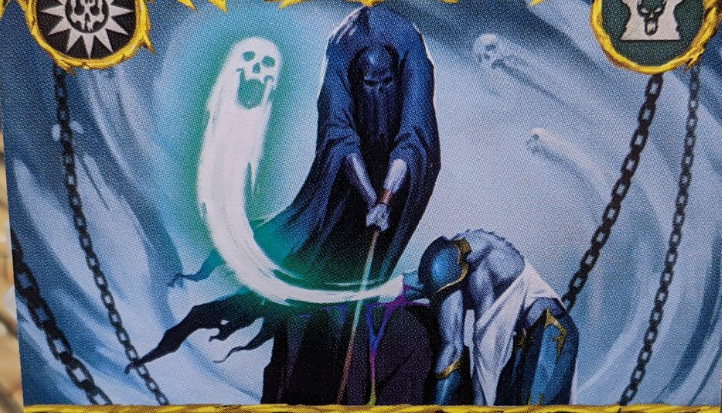
Cards asking for a total bounty of fighters satisfying that condition are also generally easier to accomplish for a Big Boy, as you can generally achieve this with one or two of your fighters depending on the ask. A horde might need four of their fighters to do something since each is only 1 bounty, and that can be far harder to do (especially as many of them will simply die before you get to 4 total). Big Boys not only have a better bounty spread for this type of Objective, but also have the resilience to survive until your scoring window in many cases. You can occasionally get the job done with only your big boy himself as they’ll be 3+ bounty all on their lonesome.
Finally, Objectives that require your fighters to succeed on attacks (or their enemies to fail attacks/fail to slay the target) are higher-value for Elites. Since your baseline stats are better, you’re likely to hit 2-4 attacks per round, and probably will succeed on defense or at least not be slain when targeted as often as Standard or Horde warbands.
Ploy cards that provide pushes are great for everyone but can be especially impactful for Big Boys. A challenge that you’ll typically be faced with is being out of position and not have your key fighter able to do something you need doing. A savvy opponent will do what they can to isolate your leader, run away from them, drive them back, give them move tokens, etc. A push card can be a nice surprise in the power step right before your next action to put a fighter in a scenario where they can take another attack your opponent wasn’t expecting. Cards such as Sidestep, Duelist, Commanding Stride, and the like are near-necessities for Big Boys. Additionally, cards that remove a move or charge token from a fighter can be very useful for maximizing the leader’s efficiency.
In a similar vein when considering ploys, there are often highly-rated cards that people will tell you are strong because they allow you to make a move action out of sequence. These are great, but especially so for big boys as they let you do something with a minion without needing to ‘waste’ an activation on them, freeing up your big boy to get more work in. You’re also usually far less worried about the move token than other warband types might be (except for hordes).
Guard token ploys can be very powerful for Big Boys – not only does it increase their durability and lean into a strength, but guard prevents being driven back. With an all-important fighter, being mispositioned by a driveback is exponentially more painful. You’ll be more likely to stay in charge range on your important target or prevent being pushed out of adjacency/attack range with something so you can make a standing swing later on.
When selecting upgrades, Big Boys have a special ability to leverage high-cost, powerful upgrades as their leader will see more benefit from them across that game. They’ll live longer, have more opportunities to roll saves or attacks, and are more likely to hit or do solid damage since their baseline stats are generally better. Look for things that provide boosts to their already strong stats (+dice, health, damage, accuracy via rerolls or runemarks) and lean into your strength. Additionally, +defense, heals, runemark negation (such as blocking cleave) and defensive rerolls will be incredibly beneficial for keeping them alive longer and thus contributing where your minions can’t.
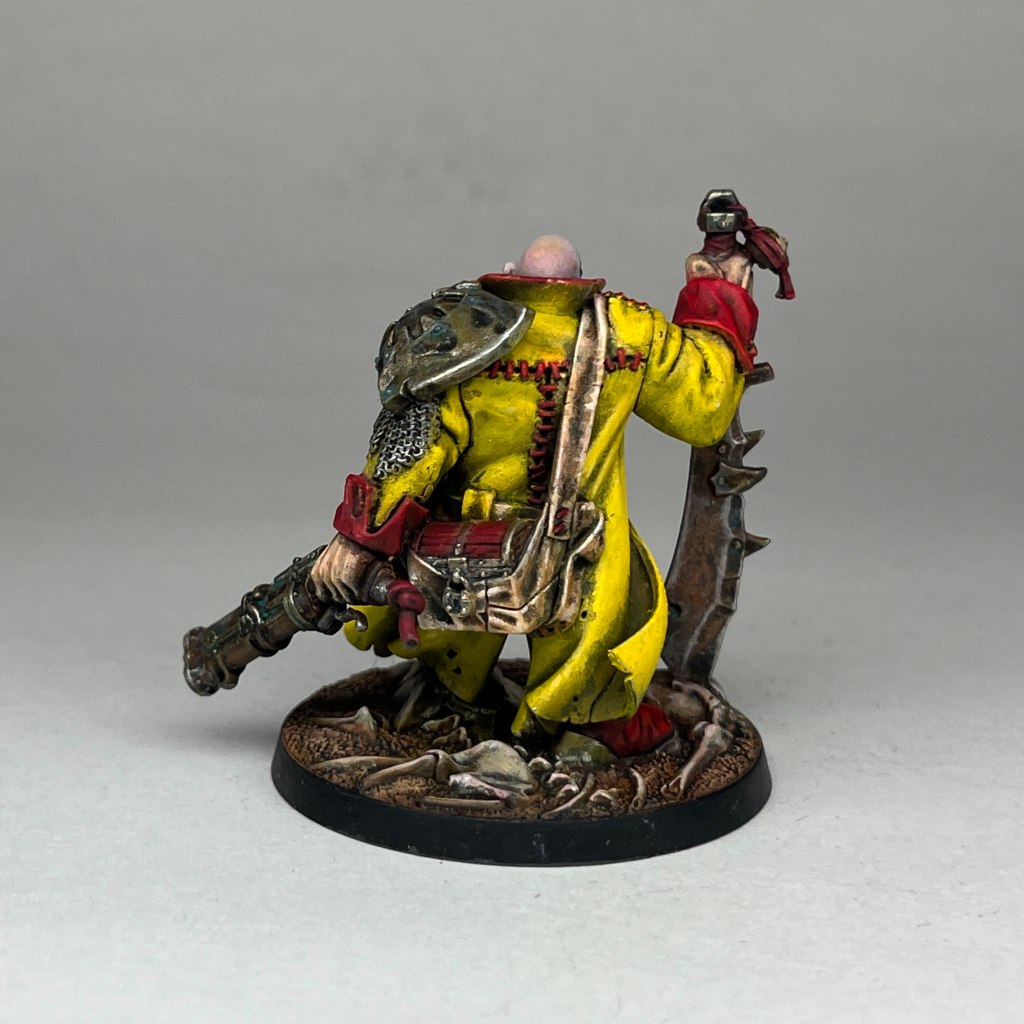
Big Boys are one of the few cases where weapon Upgrades are relatively contributory to your success. in almost all cases, the Big Boy will have an attack on their profile that is equivalent or superior to the attack granted by the Upgrade, and you’re far less likely to find it a useful and sensible expenditure of glory, especially when you probably have other modest-to-good Upgrades to choose from. HOWEVER, your minions decidedly do not have good attacks available to them. A middling attack profile for 1 glory can actually let one of your minions help out in combat, which can help satisfy objectives, surprise your opponent, an pick up some of the slack if your leader is slain.
Another weapon upgrade to consider is a quality ranged attack if you have access to it and your big boy doesn’t come with one – even if the accuracy or damage output is worse than your fighter’s base profile, extending your threat range can help with making more attacks and scoring cards; they can allow you to be able to charge a target you couldn’t reach before and can also allow a big boy to make another attack if nobody is within range of their melee weapon when the time comes.
Cards to Avoid for Big Boy Warbands

Be cautious around cards that ask you to have a specific number of fighters doing something that is greater than 1. My general rule of thumb is you can do things that ask for 2 fighters to do something if your warbands has 4+ fighters, and 3 fighters to do something if your warband has 5+ fighters, with the formula of ‘you can score cards that ask for your warband’s model count X-2’. If you need 3 fighters in a territory, 2 fighters adjacent to something else, 3 fighters holding treasure, and so on, it will be a challenge for elites. Big Boys thus far have between 4-6 fighters, so you CAN do these, but you might then be put into a tough situation of ‘do I use my big boy one more time, or do I use this little dinkle instead to score a card’.
For similar reasons, I would avoid any card that asks for every fighter/all fighters to do something when you can. Getting every fighter into enemy territory, every fighter with a move or charge, etc can be quite the tall ask (though some warbands have warscroll mechanics to assist with this).
The best lens to look through when assessing any power card for a big boy is ‘does this help my leader in a real way’. If not, you probably aren’t taking it. The more cards you dedicate toward your minions, the less your big boy is being leveraged, and if that’s the case, you might want to try a different warband archetype. Big Boys are for players that like to go ‘all-in’ as it were.
Strategies for Beating Big Boys
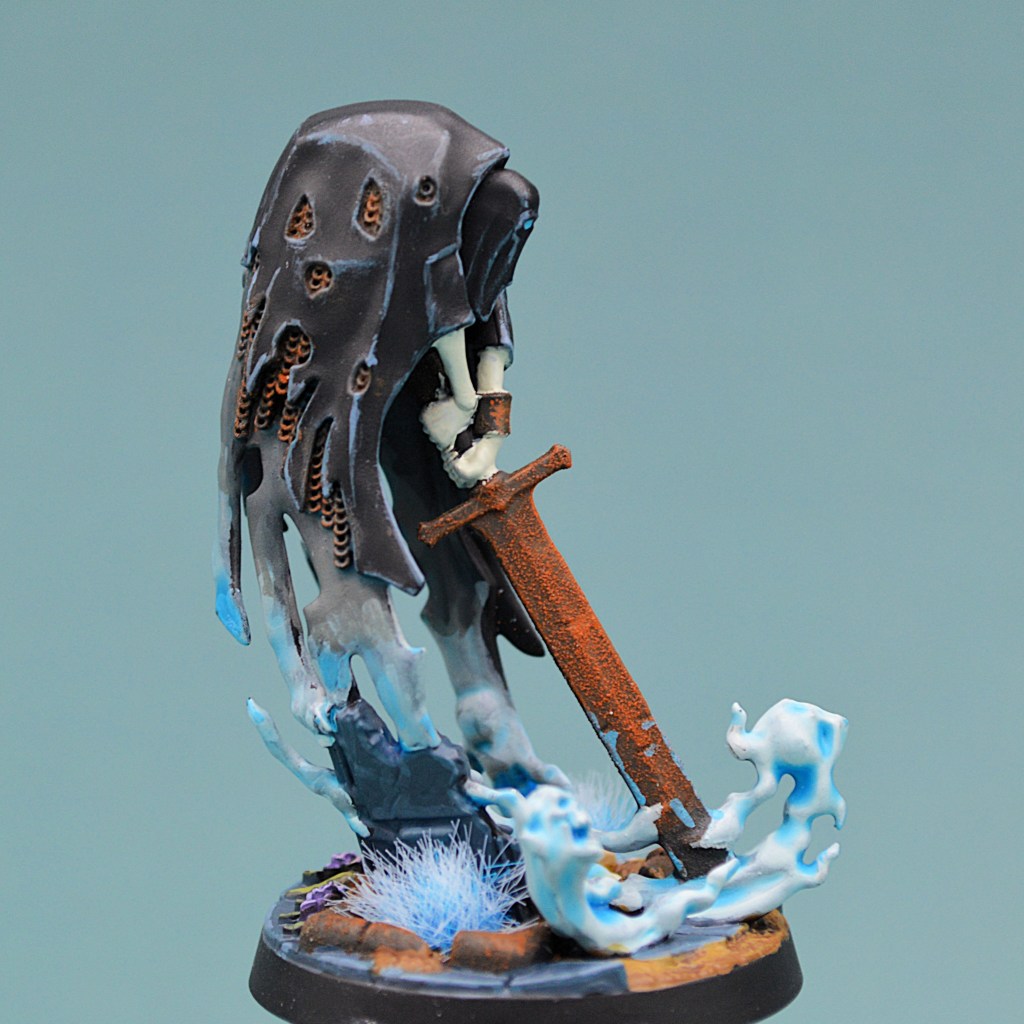
The single best thing you can do against a Big Boy team is to prevent them from being able to use their leader effectively. There are two ways to do this tactically on the board – either kill them immediately, or spread out and run around them so they are forced to ‘pick a side’ and can’t engage your whole warband at once. Whack-A-Mole is much harder if you have to keep running back and forth.
The challenge you will face is that it might be hard to know which one you need to do, and picking wrong will often cause you to lose the game. If you pay too much attention to the leader and fail to slay them early, the minions have free reign to score cards. If you target the minions and let the big boy play his game, you’re liable to be tabled by a Voltron behemoth. If you try to do both, you’ll probably achieve neither. My general strategy is to choose one of the strategies rather than trying to split the middle, and you’ll have to make your best guess of what they are working towards based on the decks they took.
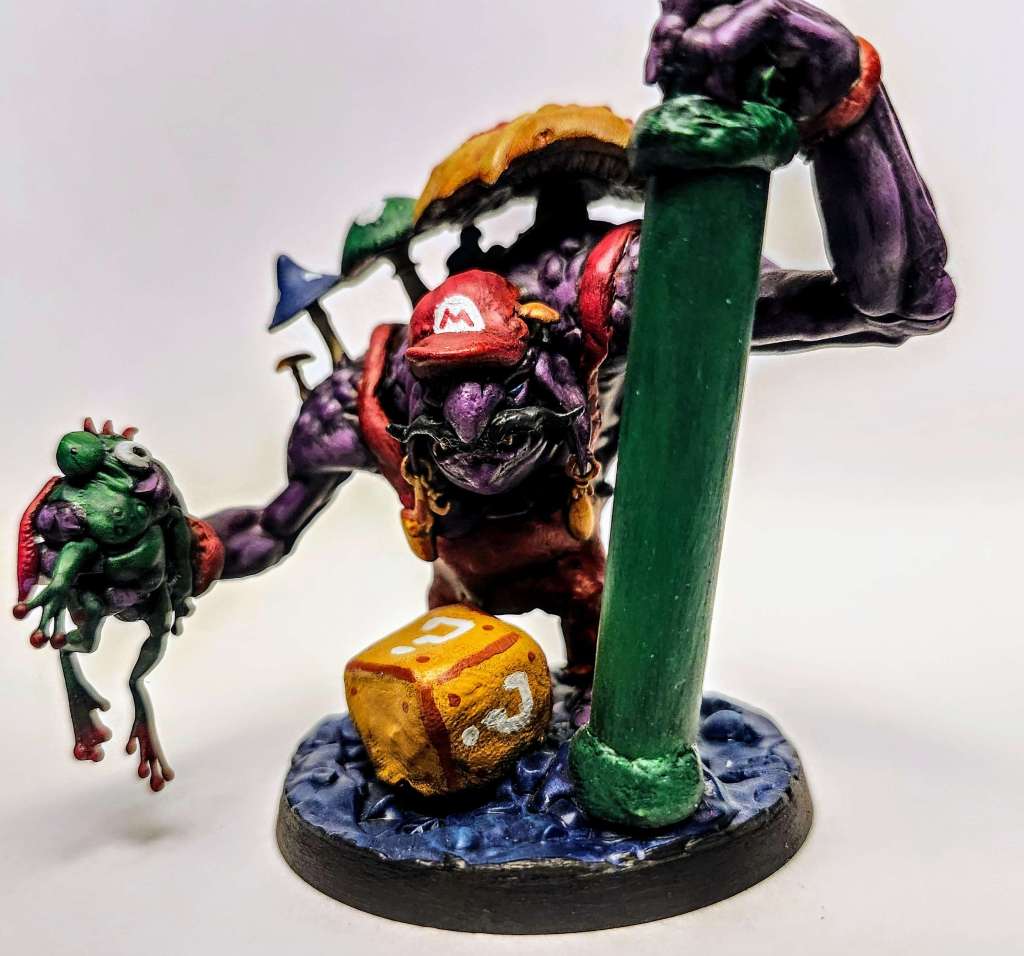
If halfway through the game you realize you’re taking on too much water, you may need to switch tactics to avoid ‘throwing good money after bad’. Sunk Cost Fallacy is a real thing. Unfortunately, that cost might actually be sunk and it’s either too late to turn around and kill Kainan, giving up on Blackpowder now won’t leave you enough time to catch the minions, etc. Knowing when it’s time to give up and change tactics is super hard, and I have lost plenty of games after finally killing Mollog in the last activation and it all being for nothing anyway.
Strategically, taking cards that are able to apply a move token to an enemy fighter are enormously powerful against Big Boys for preventing their ability to charge, and any cards that apply a charge token are even better as it forces them to use their minions instead.
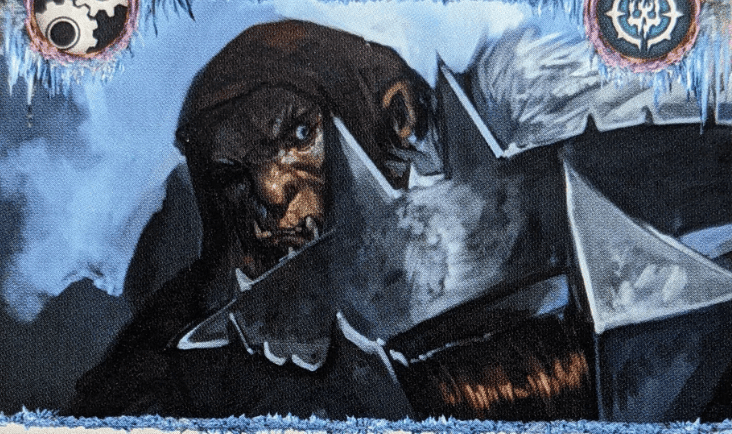
When possible, you want to be driving their big boy back or attacking them with range 2-3 weapons from a comfortable distance so that they won’t have fighters adjacent to yours. This will force charges so they can’t stand and swing multiple times with a strong fighter, and once charged out they’ll be lacking in valuable targets to attack again. This can potentially score you positional cards or deny them theirs but also helps reduce their violence reward.
Wrap
There you have it – a brief overview of the general approaches for maximizing Big Boys’ competitive strength as well as a few strategies to counterplay them. Keep your eyes peeled for further discussions on the other warband compositions of Standard, and Hordes which are coming down the line, as well as overviews of the four playstyle archetypes of Strike, Flex, Hold, and Mastery.
Until next time, I hope you have fun spending your glory and encourage you to do so in competition if you’re able!



 Spent Glory
Leave a comment