Today the Contender Series will continue with a discussion on warbands with the Standard composition and how best to use them in your games in a competitive sense. The Contender series is intended to provide tips and tricks for newer players who are setting out to better understand the competitive aspects of the game, as well as longtime players who want to increase their odds of winning in a tournament setting. As such, I will be covering this information with a more simplified view and try as best as I can to keep the series ‘evergreen’ – I will mention specific warbands and cards/decks to illustrate a point but will generally try to use more genericized concepts to keep the information relevant for anything that is released in the future as the meta shifts and things may or may not ‘rotate out’ of competitive validity.
If you are interested in listening to a discussion on Standard warbands along with other warband types as well as warband and deck archetypes such as Flex, Strike etc, you can listen to this Underworlds Underground Podcast episode.
Articles in This Series:
Warband Selection
Choosing a Deck/Pairing
Deckbuilding Overview
Evaluating Surge Objective Cards
Evaluating End Phase Objective Cards
Evaluating Ploys
Evaluating Upgrades
Deckbuilding: How Many Cards?
Opening Hand and The Mulligan
Board Choice and Orientation
Feature Token Placement
Fighter Placement
So You Won the Roll-Off – Do You Choose First or Second?
Practice
Event Format Considerations
Elites
Big Boys
Hordes
Standard Warbands
Check out other tournament related articles:
Counterplay Series
Participating in Your First Tournament
What to Expect at your First Grand Clash
How to Run a Local Tournament
Building Your First Nemesis Deck
Time Management and Playing Quickly
First, let’s talk about what a Standard Warband even is, then how to use them. We will talk about what cards to consider, strategies for playing them on the board, and how to approach playing against them.
General Description of Standard Warbands

A Standard warband in my general impression is one that has between 4-5 fighters with middle-of-the-road variance in stats, bounty, and utility of fighters. The most classic of these is a ‘4 by 4’ where you have four fighters each with 4 health, but you can fit many of the game’s 4-5 fighter warbands into this category so long as you aren’t dealing with a Big Boy situation. Standard warbands are often Jack of All Trades, Master of None type of warbands; they can do most anything you need with whichever deck you choose, but won’t be the optimal choice for many specific situations because they either don’t have the stats or don’t have the numbers to lean all the way into a given playstyle. As all-rounders and take-all-comers, they’re pretty good though, and can perform more than reasonably well at an event where your matchups are a mystery as they apply that genericism to their weaknesses as well as their strengths.
How to Play Standard Warbands Optimally
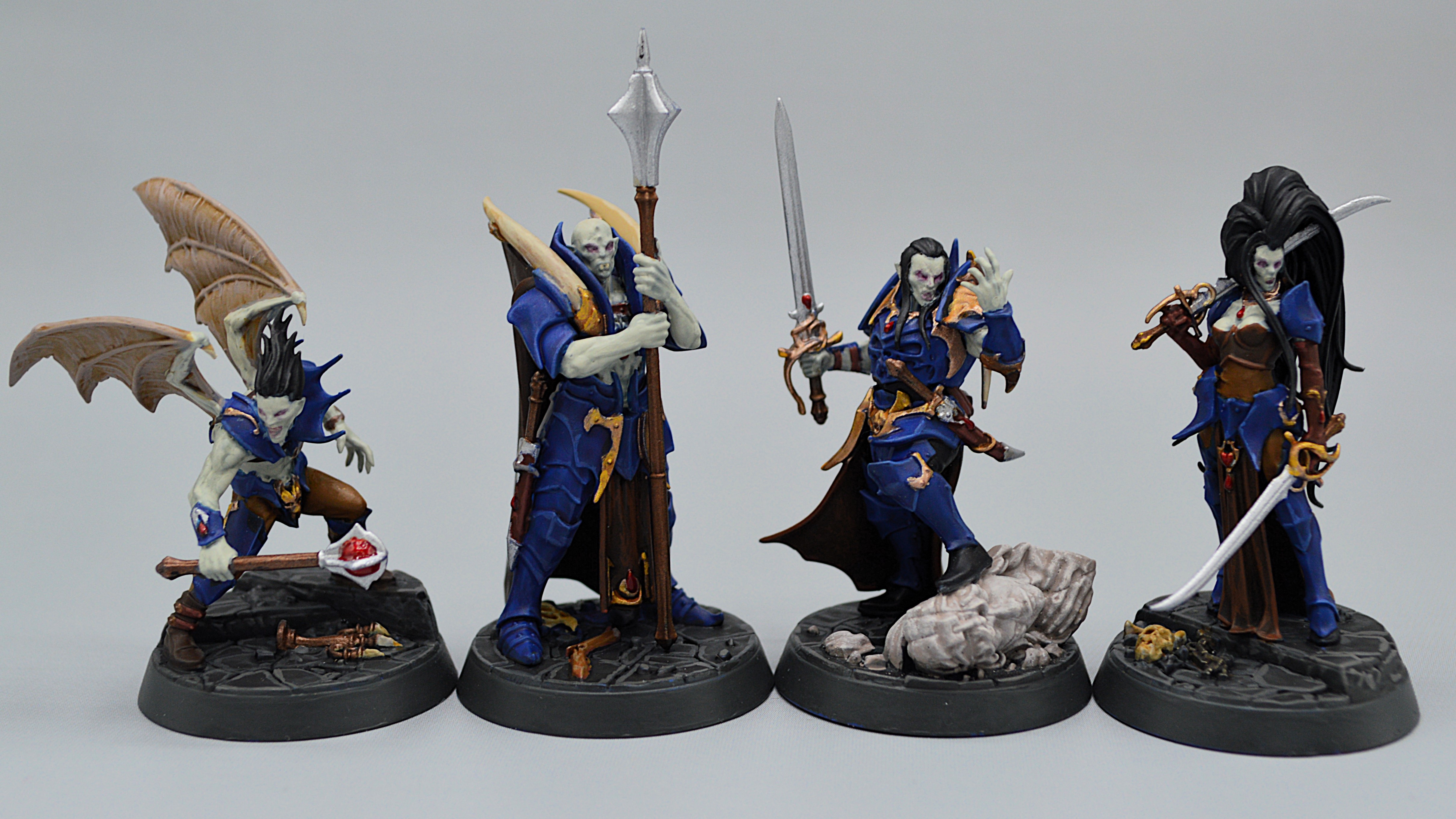
Again, as a generalization, a Standard Warband can do most things in the game well enough, but can’t always be the best at any one thing. They occupy a middle-of-the-road status and usually will struggle leaning fully into a Strike playstyle or fully into a Take and Hold Playstyle- some exceptions exist of course. Flex, which is a combination of these styles, often suit a Standard warband quite well. Doing a little bit of fighting and a little bit of positional play/token occupancy can often be the recipe for success, such as with a Blazing/Pillage combo.

One huge advantage Standard warbands have is that they don’t usually have a ‘lynchpin fighter’ that much of your power hinges on. Some warbands have one fighter who is super important to the gameplan and if they die, so do their abilities you need on the warscroll. In other cases you only have one fighter with a real ability to do anything offensively, and if that big hitter dies you’re going to struggle to slay anything yourself. Standard warbands almost always have 2+ ‘good’ fighters, and you won’t be out of the fight if you lose your best one early. That means you can deploy one of these better fighters more aggressively, take bigger risks with them, etc because you have a backup or two ready to fire if needed.
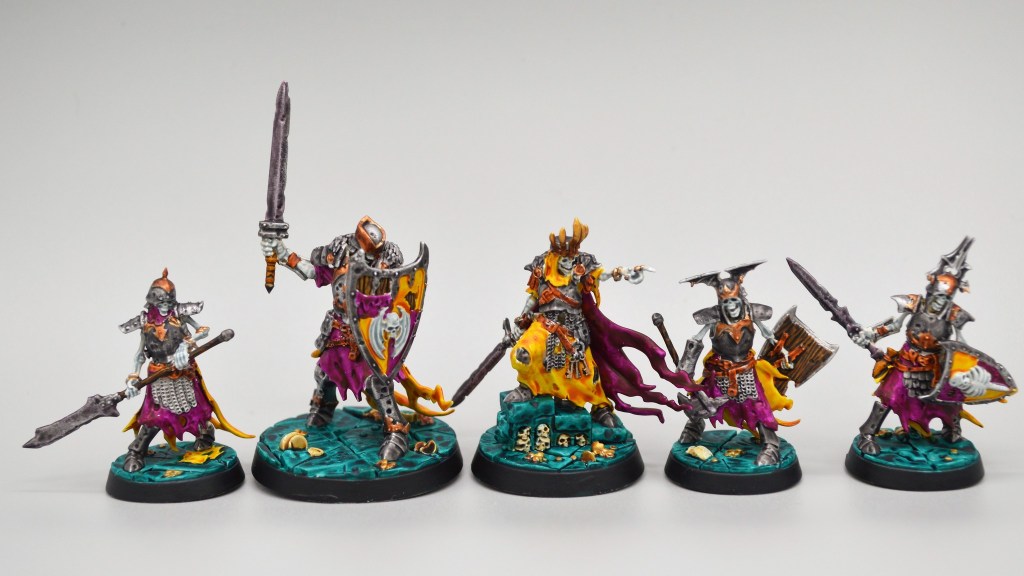
Of the four archetypes (Elite, Horde, Big Boy, and Standard) this is the most difficult to generalize. Despite their all having 4-5 fighters, the variety in stat distribution and warscroll abilities really do change how each one is ‘best played’, and you may be better off reading the specific Warband Reviews for the one you’re working on rather than taking too much advice from this article in particular.
What Cards Standard Warbands Favor
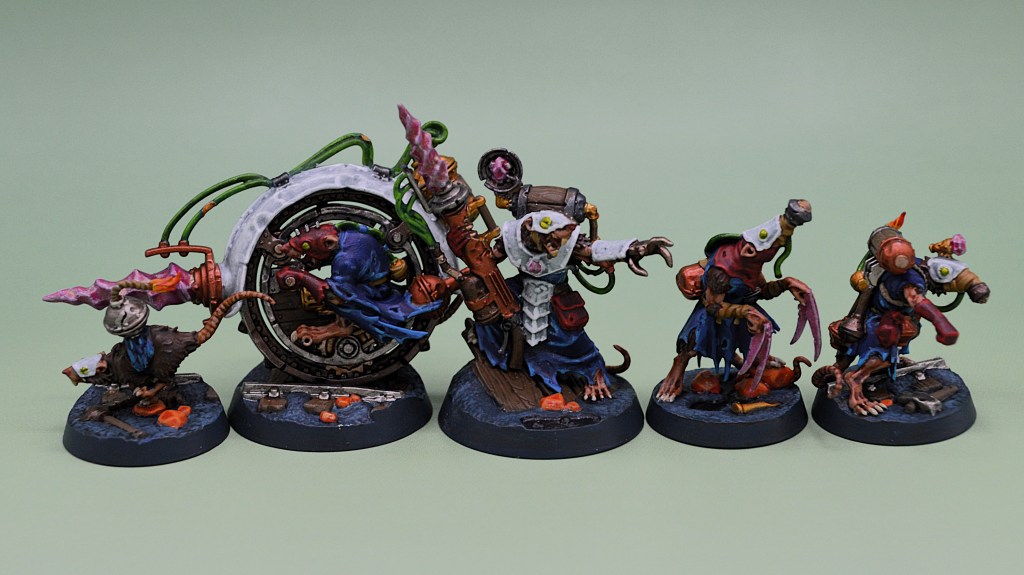
I’ve discussed before that when assessing cards that specify a number of fighters to meet a condition, your formula for success in Objectives is X minus 2. A four-fighter warband can do things that need 2 fighters (or territories), and a 5 fighter warband can take cards that ask for three fighters (or territories). Interestingly, these can at times be even MORE reliable than they would be for Hordes despite the latter having more fighters. Say you need two fighters alive in enemy territory. A Standard warband can probably take a hit and survive where a horde fighter might not. If anybody is going to take a ‘two fighters do something’ or even ‘three fighters do something’ and pull it off, a Standard Warband is best positioned to do so in most cases.

In a similar vein to Elites, Standard Warbands have a decent capacity to score ‘all friendly fighters’ cards. You’ll have enough activations to use all 4 fighters in a 4-fighter warband, and once you take a casualty in a 5-fighter warband you’ll have the action economy to use everybody as well. Additionally, since standard warbands don’t often have a single standout fighter you want to repeatedly activate, you’re less hurt by ‘wasting’ an activation on guy number 3 or 4 to meet the condition.
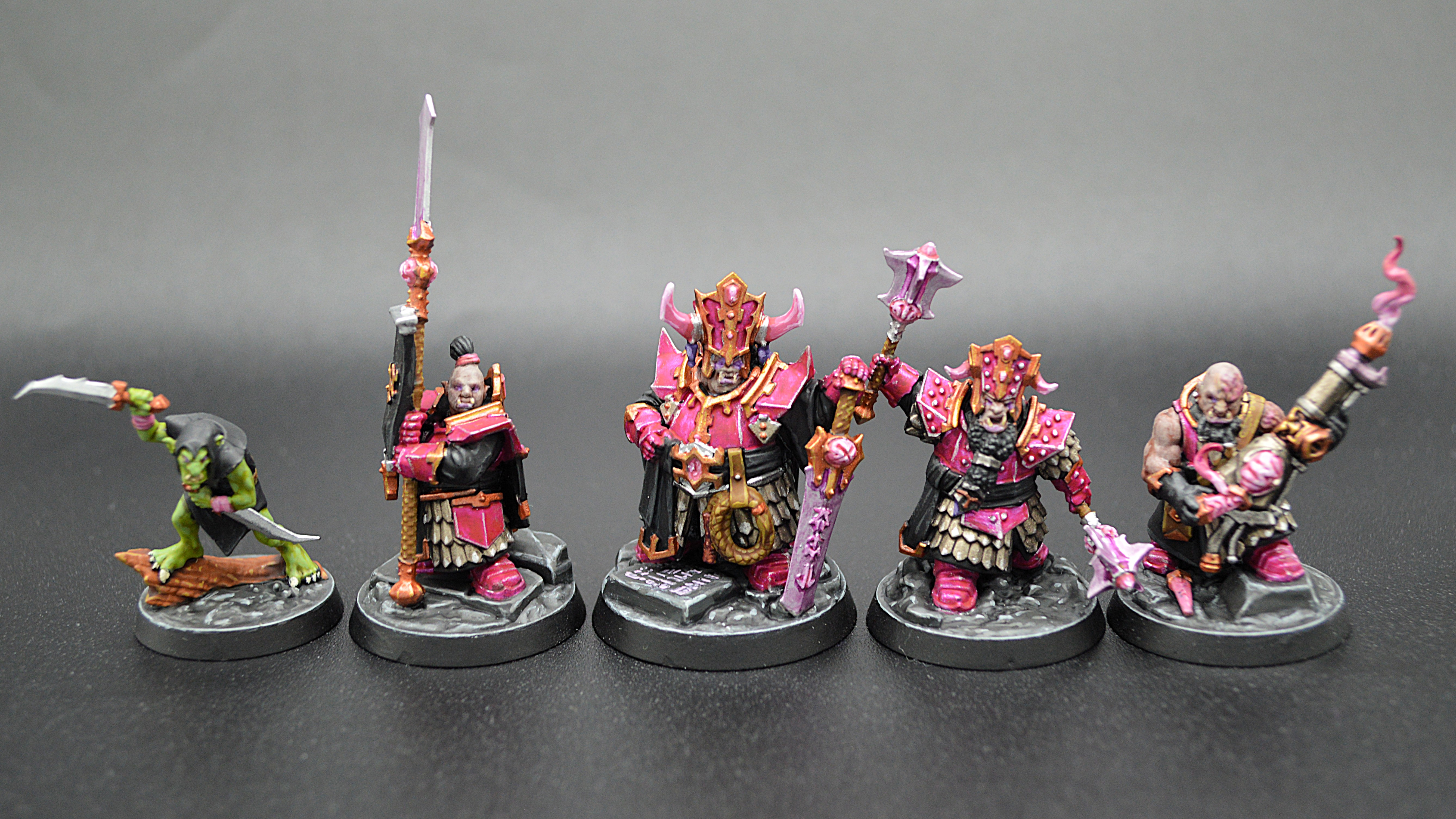
In Ploys and Upgrades they kinda like what everyone likes, and the specifics are really going to depend on your warband. If you already have cleave, you have less need for cleave, but otherwise love to see it. If you have a handful of ‘bad’ fighters, maybe you take that weapon upgrade, but if you’re a solid-stated 4×4 you can leave it at home. As always, your package should be suited to your objectives and scoring needs, but in a Standard warband composition you have less to think about and bias you against that maxim because your warband is more well-rounded.
Cards to Avoid for Standard Warbands

To parrot myself from before, Standard warbands can do most anything, but it doesn’t mean they can do it all super well. If you have a card that asks you to hit attacks, a standard warband may or may not be great at doing that. If it asks you to kill things, to hold treasures, and so forth, your success is going to be a lot more tied to the warband in particular rather than the general concept of a standard warband. Pay special attention to your warscroll abilities and ask if they benefit from this ploy or the warscroll helps score this ability.
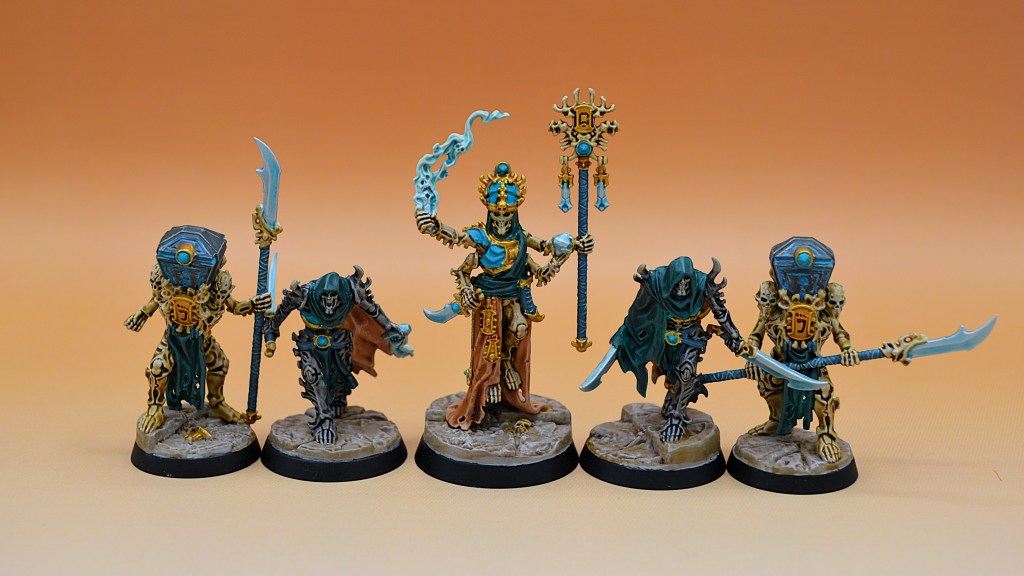
Leader-centric cards are a bit of a gamble for standard warbands, as they are for everybody, but you’ll potentially have less ability to protect your leader compared to Hordes, but less incentive to make use of them compared to Elites and Big Boys. I tend to shy way from Leader-locked cards for Standard warbands, but there can definitely be a case to use them especially if your leader is particularly resilient or effective.
Strategies for Beating Standard Warbands

What a weak, generic article this is turning out to be. This is why I saved Standard for last out of the compositions. Long story short, focus on identifying the objectives and gameplan they’re into and try to counterplay it as best as you can, since Standard warbands don’t have the inherent lynchpin issue and aren’t a one-size-fits-all thing.
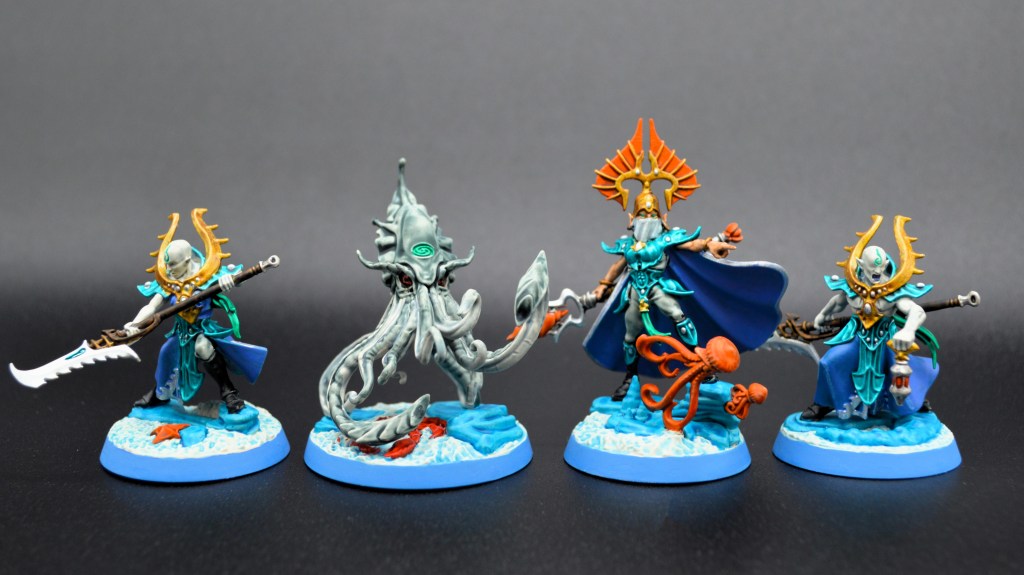
One thing you can do is ‘protect yourself’ against a Standard warband by killing the right thing early – this is a good idea all the time but has more reward for your effort against Standard bands in some cases. Against an Elite, everything is a threat. Against a Big Boy, you know who the problem is but they’re hard to take down. Against a horde, playing whack-a-mole might not get you what you need. Against a Standard warband, they probably have a clear ‘kill this first’ bullseye painted on somebody.
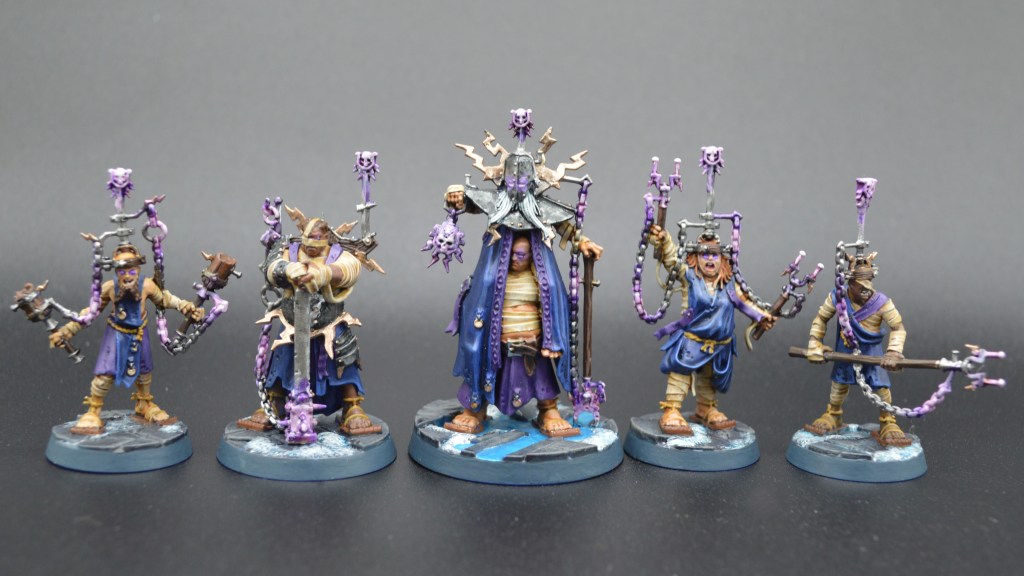
Staggerers has a great ‘Kill Order’ series you may want to check out, but as a rule of thumb the opposing warband will have one or two more dangerous fighters that will be far more threatening to you, but reasonable to kill as the standard warband can’t brawl or hide as effectively in many cases. If they have something with base 3 damage, it has to go. If they have something with range 2 and 2 damage, it has to go. If they have something with remarkable accuracy, it has to go. Whatever is most likely to kill your guys should be the first thing you kill, unless their warband has a special fighter with most of the warscroll utility.
Wrap

That concludes the Warband Composition subset of the Contender Series. Thanks for following along! Until then, whichever model count your warband has, I hope you enjoy spending their glory in the Underworlds!

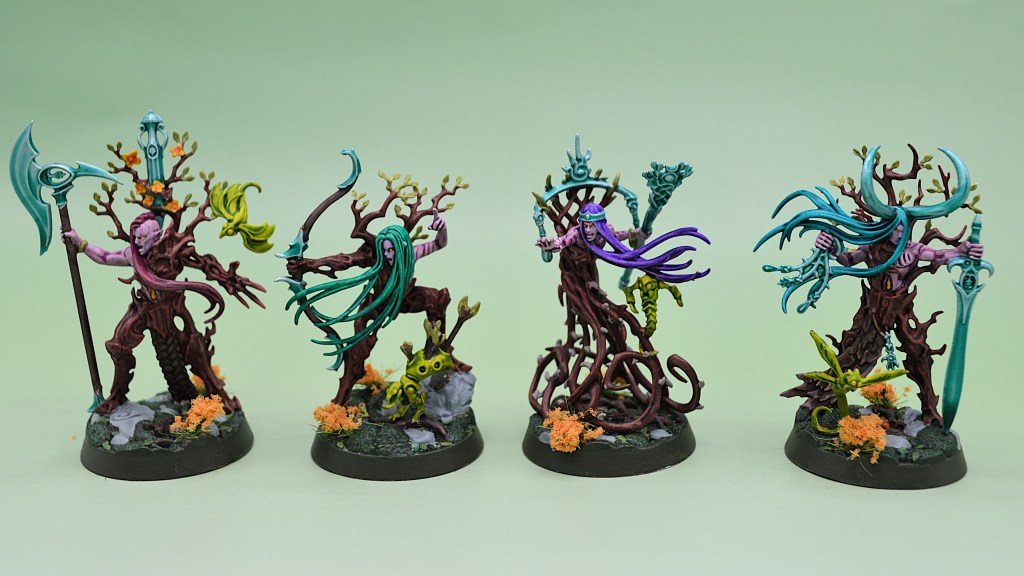
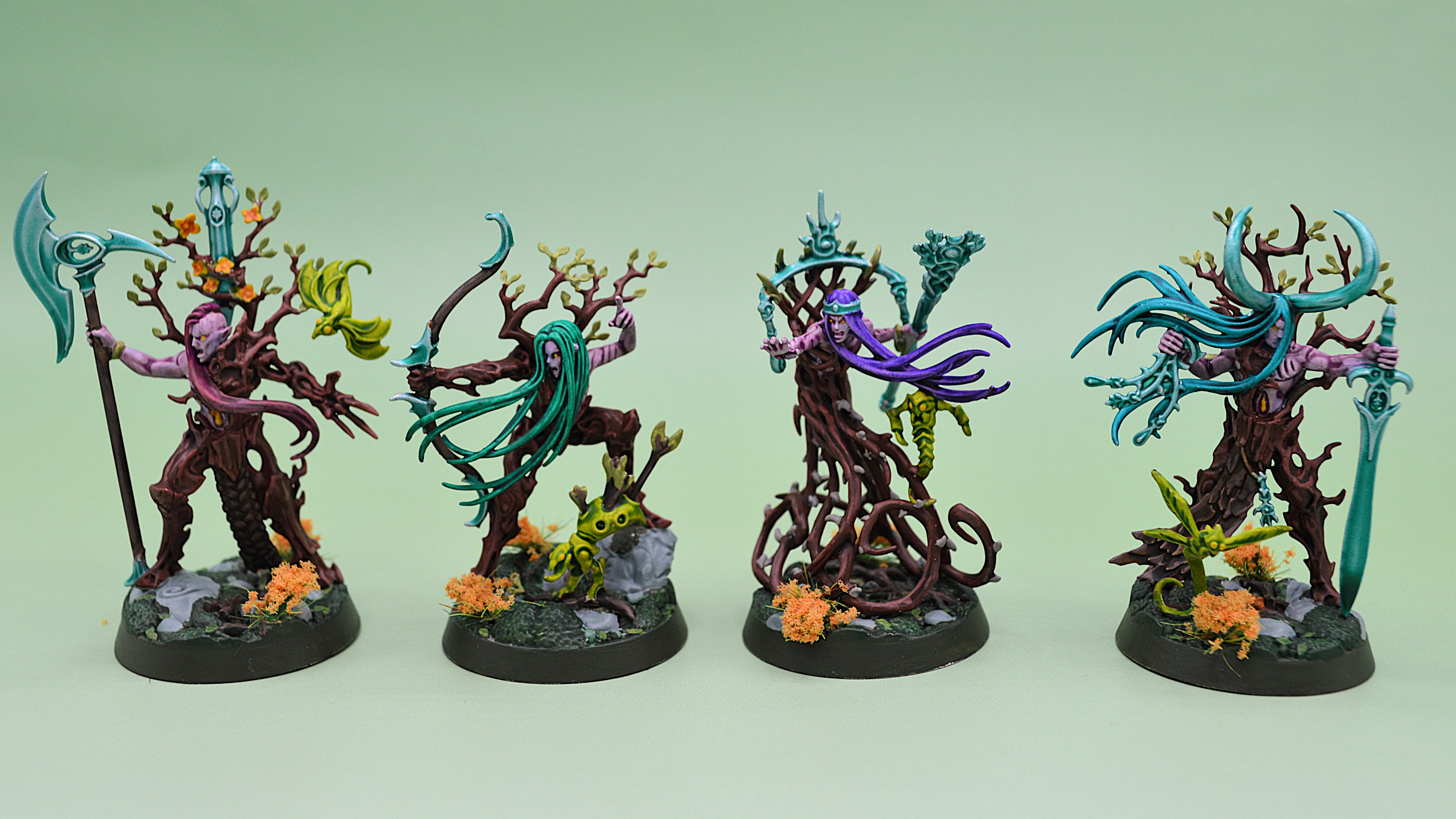
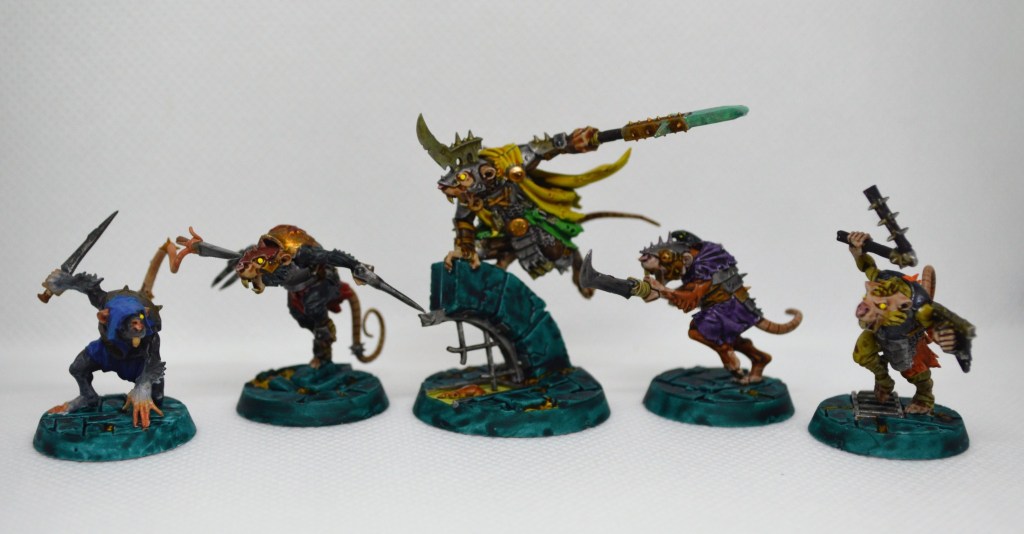
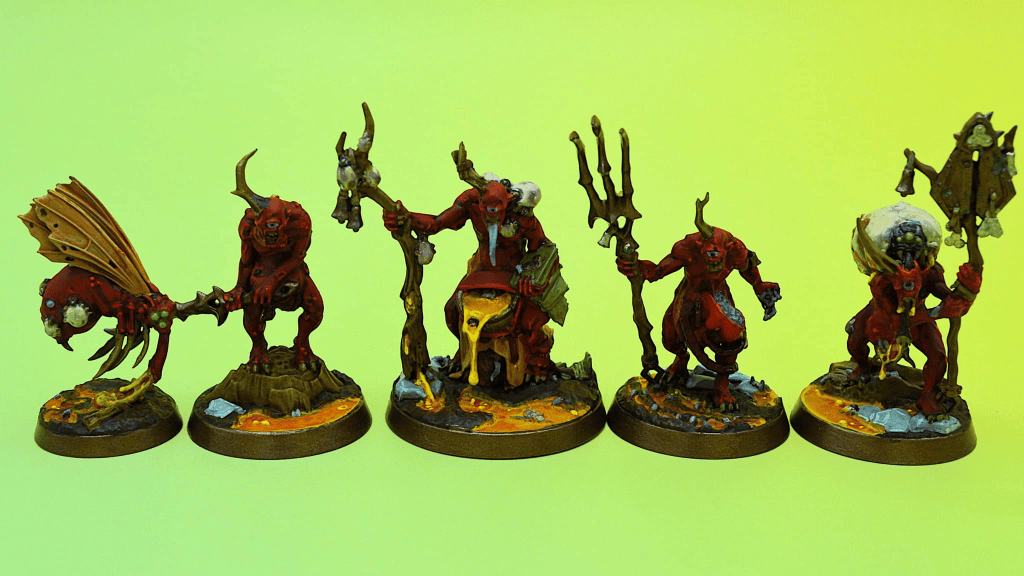
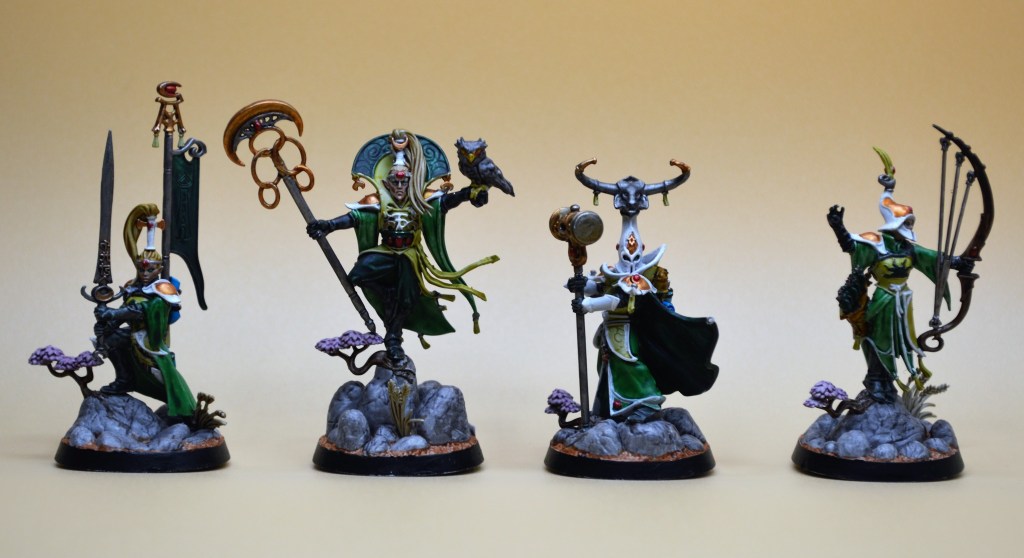
Man, there’s a lot of Standard warbands in this game

I couldn’t even fit all their pictures into this article
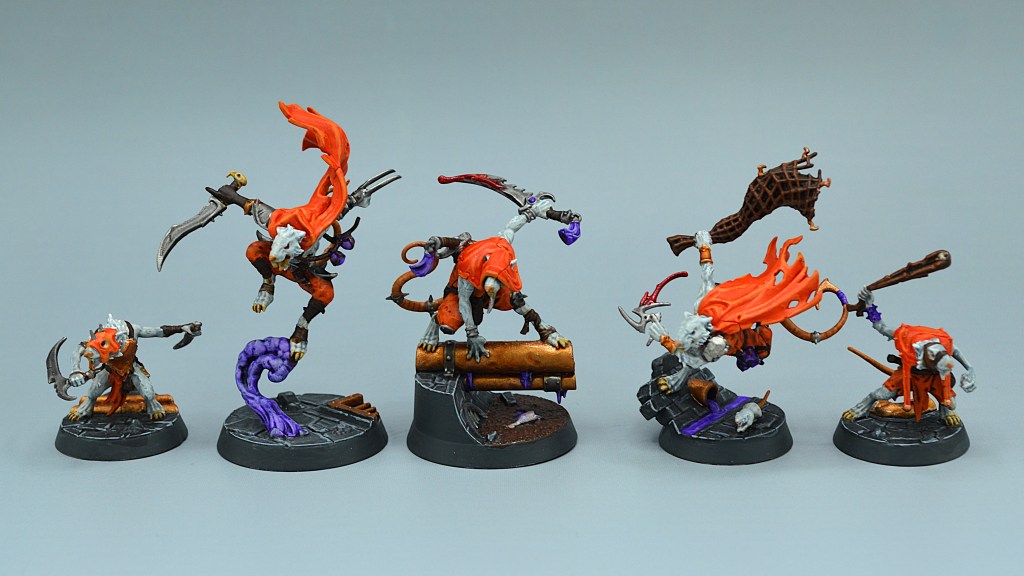
Without cheating like this I mean
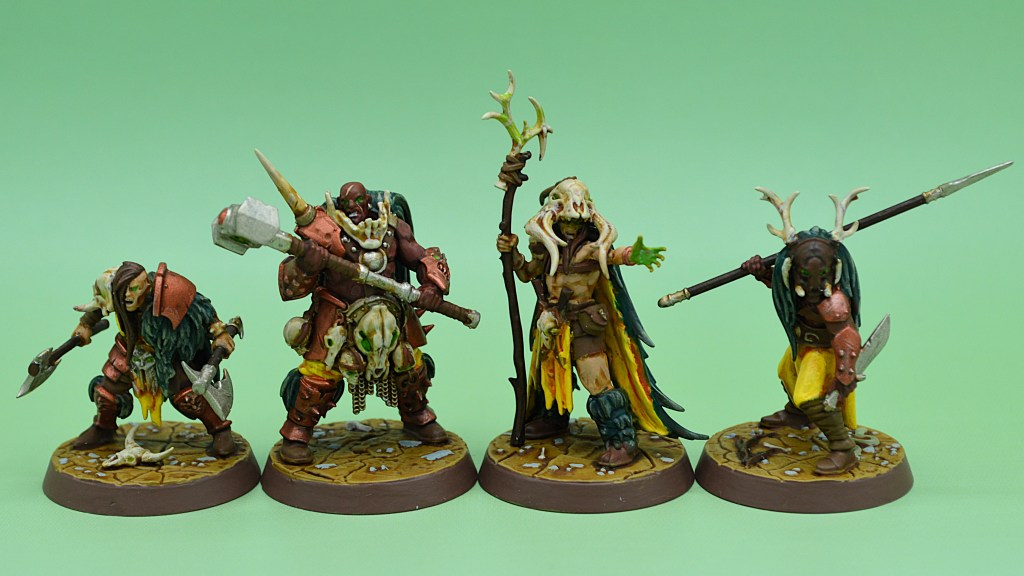
Sick of me yet?

I don’t even have them all painted
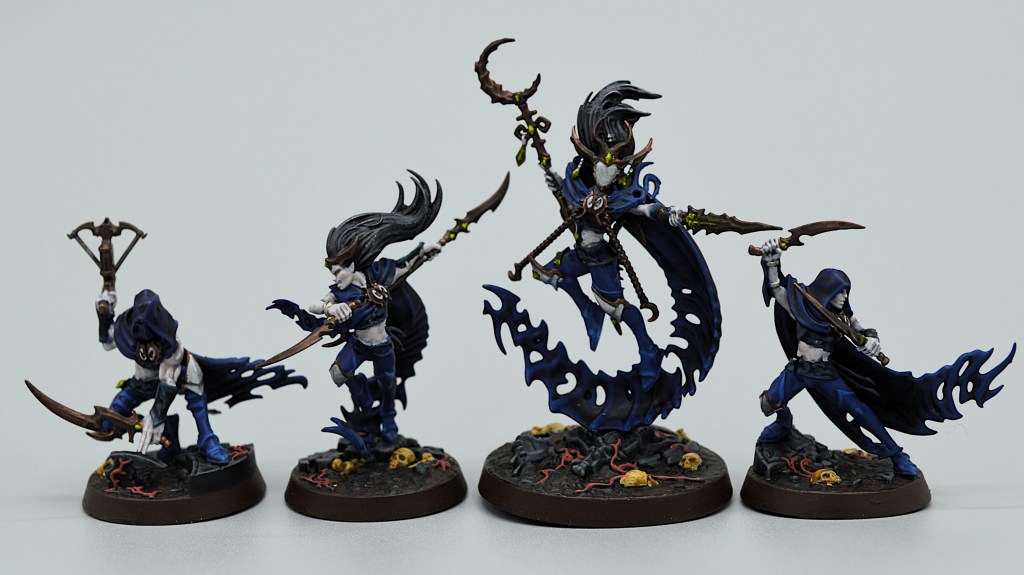
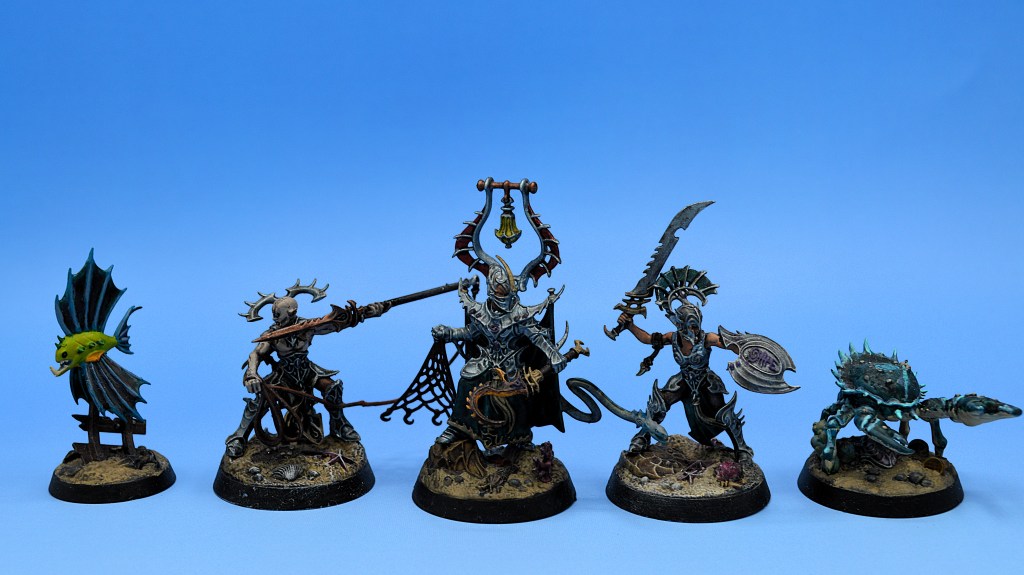
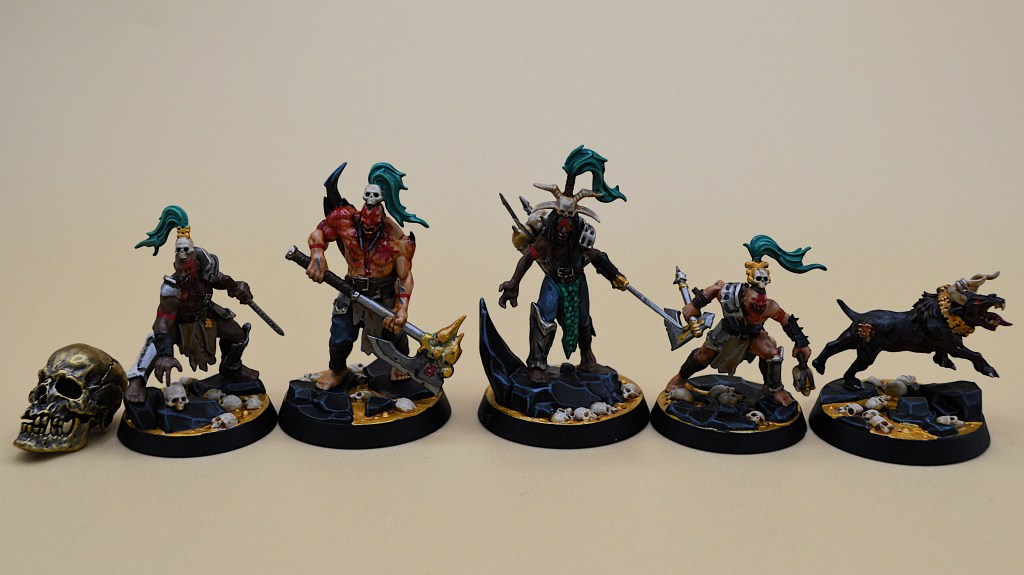


OK, we will call it there. Ta ta for now!




Leave a Reply